Inquiry
Form loading...

Top 10 Vulcanized Rubber Products for Global Buyers

Global buyers often compare Vulcanized Rubber products by price, but application fit matters more. A seal that looks sturdy on a sample may soften under heat or lose compression in service. Details matter.

This guide surveys ten widely used product groups, from tires and hoses to seals, belts, mats, and molded components. Each serves different mechanical and environmental demands. Charles Goodyear, whose experiments helped make vulcanization practical, wrote: “The world little knows how many of the thoughts and theories which have passed through the mind of a scientific investigator have been crushed in silence and secrecy by his own stern criticism and adverse examination.” His reminder about scrutiny fits procurement: product claims deserve checking against test data, not just polished brochures.

Buyers should confirm compound type, hardness, temperature range, abrasion resistance, and fluid compatibility with suppliers. Where relevant, request traceable test reports and clarify recognized standards for the destination market. No single rubber formulation suits every plant, vehicle, or climate. A shortlist helps. Yet it can hide trade-offs; treat the rankings as a starting point, not a substitute for engineering review. The sections ahead explain where each product is used, what to inspect, and which questions can reduce avoidable sourcing risk. Good fit beats guesswork.
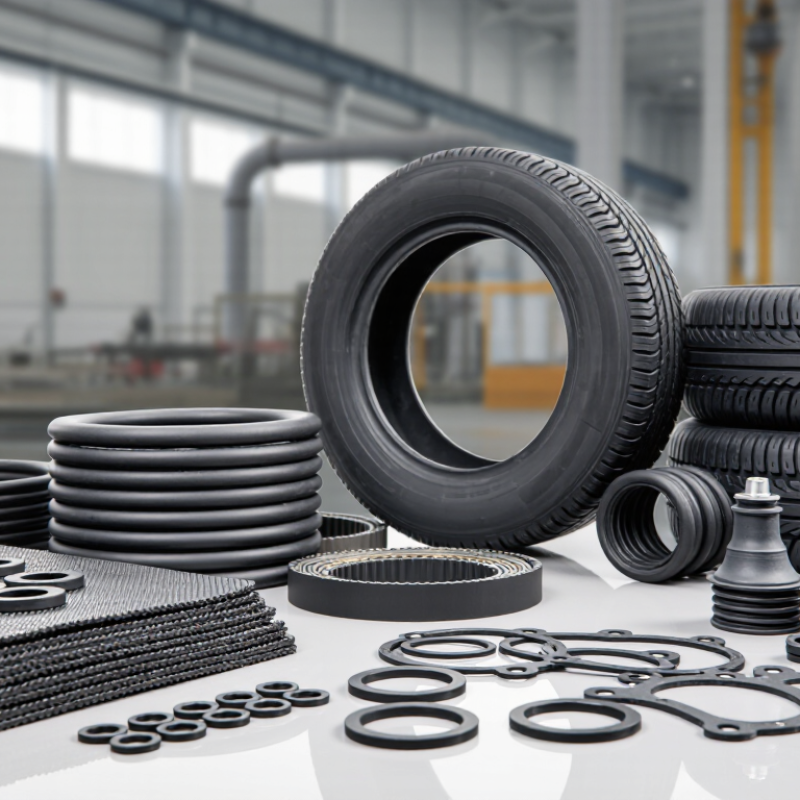
Top 10 Vulcanized Rubber Products for Global Buyers

Understanding Vulcanized Rubber and Its Key Properties

Vulcanization uses heat and curing agents to create links between rubber polymer chains. These cross-links help rubber resist permanent deformation, heat, and repeated flexing. The result is not simply “harder” rubber. A well-designed compound can remain flexible while retaining its shape under load. The balance depends on the base polymer, cure system, and operating conditions. Small changes matter.

ASTM D412 measures tensile strength and elongation, while ASTM D395 measures compression set and ASTM D2240 measures hardness. These test methods help buyers compare supplier data, but results are meaningful only when test conditions match. For example, a Shore A hardness reading describes resistance to indentation; it does not predict oil resistance or service life. That distinction is easy to miss. Vulcanized rubber can still crack, swell, or lose elasticity when exposed to unsuitable temperatures or chemicals.

Tips: Ask for test results tied to the intended use. Check the test method, temperature, and specimen details, not just a headline figure. A neat specification sheet is useful, but field conditions can be less tidy.


How Vulcanization Turns Rubber into Finished Products

Vulcanization turns soft rubber compound into durable products by linking polymer chains with heat, pressure, and curing agents. The result can be a flexible hose, a load-bearing tire, or a seal that resists oil and heat. Small things matter. Compound formulation, mold temperature, and cure time all affect hardness, elasticity, and service life. Too little curing can leave a part weak; too much can make it brittle. A curing chart helps, but real production still requires judgment.

The International Rubber Study Group’s 2024 World Rubber Industry Outlook projected global rubber demand at 31.4 million tonnes in 2024, a 2.8% increase. The Association of Natural Rubber Producing Countries reported roughly 14.5 million tonnes of natural rubber production in 2023. These figures show the scale of material moving into manufactured goods, not the quality of any single product. For buyers, ask how suppliers control curing conditions and test finished parts. ASTM D3182 provides practices for mixing and vulcanizing rubber laboratory compounds, while product-specific tests should match actual use. A gasket may look sound yet fail after repeated compression. That is where inspection can be imperfect: one sample cannot represent every batch. Temperature logs, hardness checks, and tensile testing give a clearer picture.

Top 10 Vulcanized Rubber Products for Global Buyers

How vulcanization turns rubber into finished products

The chart shows a broad, illustrative sulfur-curing temperature window commonly used for rubber compounds. Vulcanization creates cross-links that improve elasticity, strength, and resistance to heat and wear. Actual cure conditions vary with the rubber formulation, product design, and manufacturing process; the product list is not a sales ranking.

Top 10 Vulcanized Rubber Products Across Major Industries

Vulcanization gives rubber products better elasticity, strength, and resistance to repeated use. Across major industries, common examples include tires, conveyor belts, and industrial hoses. Tires need dependable grip and controlled flexibility on changing road surfaces. Conveyor belts carry ore, grain, or packaged goods through long production lines. Hoses move water, air, or process fluids, so their reinforcement and pressure rating matter. Fit matters.

Factories also rely on molded seals and gaskets to limit leaks around pumps, pipes, and machine covers. Vibration mounts reduce movement beneath motors and compressors. Rubber rollers help guide or press materials in printing and packaging equipment. Footwear soles use vulcanized compounds for traction and abrasion resistance. A sole that feels durable indoors may still perform poorly on wet floors.

Building and infrastructure work adds rubber roofing membranes and expansion joints to the list. Membranes form flexible barriers across broad roof surfaces, while joints accommodate movement between concrete sections. Product selection depends on temperature, exposure, load, and expected service life. These details are easy to overlook in a catalog. No compound suits every setting, and even a well-made part can fail if dimensions or installation are wrong. Checking drawings and operating conditions before ordering is a practical safeguard.

Common Applications and Performance Needs for Each Product

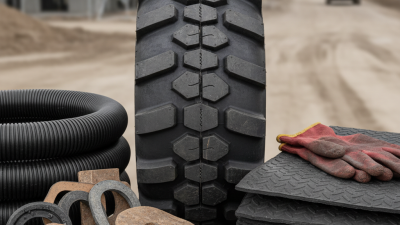
Vulcanized rubber tires need a balance of traction, wear resistance, and heat control. Buyers should match tread and compound to road conditions, load, and operating temperature.

Rubber hoses serve air, water, and fluid transfer; check pressure ratings, bend radius, and resistance to the conveyed material.

Conveyor belts move bulk goods through warehouses, mines, and processing lines. Their covers must withstand abrasion, while belt construction should suit the load and pulley size.

Drive belts also need reliable grip and flexibility. Small pulley misalignment can shorten service life.

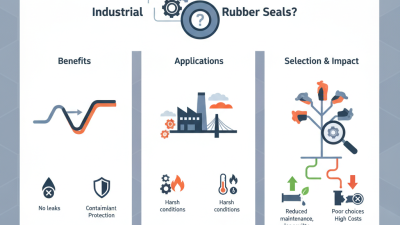
Gaskets and seals help prevent leaks in pumps, engines, and pipe connections. Their performance depends on temperature, pressure, and chemical exposure, so the right rubber compound matters.

Vibration mounts reduce noise and shock in machinery. Buyers should consider load, movement, and how much isolation the equipment actually needs.

Rubber diaphragms flex repeatedly in valves and pumps. Fatigue resistance is important, but design details can be easy to overlook. Check the working stroke and pressure range.

Rubber rollers support printing, packaging, and material handling. Surface hardness and grip affect product flow and finish.

Footwear soles need traction, flex, and abrasion resistance for the intended surface.

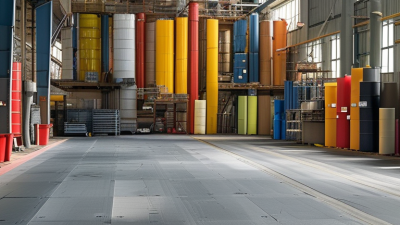
Industrial mats cushion workers and protect floors; thickness, drainage, and cleaning needs shape the choice.

No single specification fits every site. Even a well-tested product may perform differently when temperature, dust, or maintenance habits change.

How Global Buyers Evaluate and Source Vulcanized Rubber Products

Top 10 Vulcanized Rubber Products for Global Buyers

How Global Buyers Evaluate and Source Vulcanized Rubber Products

Global buyers compare molded seals, hoses, gaskets, vibration mounts, and conveyor parts by performance, not just price. Check the compound against its working environment: oil exposure, outdoor ozone, temperature swings, and repeated compression can change service life. Ask for hardness in Shore A, tensile strength, compression-set results, and dimensional tolerances. Grand View Research’s rubber market report valued the global market at USD 46.71 billion in 2022 and projected 4.8% annual growth through 2030. This covers the wider rubber market, not vulcanized products alone, but it signals a large, competitive supply base.

Tips: Request test results for the exact compound and production batch. A generic data sheet may not reflect the part you receive.

Before placing a large order, review sample parts under realistic conditions. Measure critical features with calipers, inspect edges for flash or cracks, and confirm that packaging protects parts from heat and sunlight during transit. Ask suppliers how they control curing time and temperature; small process changes can affect hardness and compression recovery. Compare lead times, minimum order quantities, inspection records, and traceability documents alongside unit cost. One detail buyers sometimes miss is storage life. It is worth asking, even when the answer feels routine.