How to Choose the Best EPDM Rubber for Your Needs?
Selecting the right EPDM rubber is crucial for any project. It impacts durability, flexibility, and long-term performance. According to Dr. Jane Miller, a leading expert in elastomer materials, "Choosing the right EPDM rubber can make or break your application." This highlights the importance of understanding the specific requirements of your project.
EPDM rubber offers various benefits, but not all types are suitable for every situation. Take time to assess environmental factors, mechanical demands, and compatibility with other materials. Each application has unique needs, and misjudging these can lead to significant issues down the line.
It’s essential to think about the properties you need. For instance, consider aging resistance and temperature tolerance. While EPDM rubber is versatile, not every variation will be perfect for your requirements. This reflective approach is necessary to avoid costly mistakes and ensure optimal performance of your selected EPDM rubber.
Understanding EPDM Rubber: Properties and Benefits
EPDM rubber, or ethylene propylene diene monomer, is a synthetic rubber known for its unique properties. It offers excellent resistance to heat, ozone, and weathering. This quality makes it an ideal choice for outdoor applications. EPDM's flexibility allows it to perform well in various temperatures, maintaining its shape and durability.
In addition to its resilience, EPDM rubber is lightweight. It has good tensile strength, making it suitable for demanding environments. However, one must consider its limitations; it is not suitable for petroleum-based products. This can restrict its use in certain industrial applications. Understanding these aspects can help in making informed decisions.
Selecting the right type of EPDM rubber can be challenging. The formulation of EPDM can vary, impacting its properties. Ensure that the chosen material aligns with your application needs. Test samples if possible, as this can highlight specific performance issues. Awareness of these factors can enhance overall satisfaction with your selection.
Identifying Your Specific Application Requirements
When selecting EPDM rubber for a specific application, it is crucial to identify your unique requirements. Different projects demand varying grades of rubber. Consider factors such as temperature fluctuations, exposure to chemicals, and physical stress. EPDM rubber is known for its excellent weather resistance, but not all grades perform equally. Research and testing can reveal what fits best for your situation.
Think about the environment in which the EPDM will function. If your application involves extreme heat or cold, not every type will hold up well over time. Some formulations may provide better flexibility under stress, while others might excel in chemical stability. Explore these aspects thoroughly. Craft a list of your specific criteria.
It’s also wise to consult with experts in the field. Experience matters significantly when matching materials to needs. Sometimes, recommendations from knowledgeable sources can bring clarity. Analyze feedback on different grades from those who have tested them over time. Your final choice should not only meet immediate needs but also ensure long-term reliability. Consider revisiting your conclusions based on new insights or experiences.
Evaluating EPDM Rubber Grades and Specifications
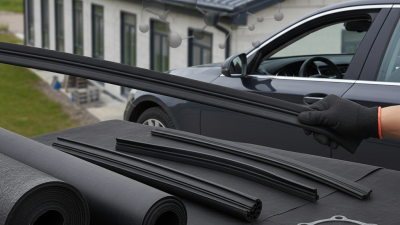
When evaluating EPDM rubber for various applications, understanding its grades and specifications is crucial. EPDM, or ethylene propylene diene monomer rubber, comes in different grades that cater to specific needs. According to industry data from the Rubber Manufacturers Association, high-grade EPDM offers increased weather resistance. This makes it ideal for roofing membranes and automotive seals.
One critical factor to consider is the tensile strength, often measured in MPa. Premium EPDM grades can reach tensile strengths of up to 20 MPa. In contrast, lower grades tend to be less durable. Along with strength, elongation at break metrics is essential. Superior EPDM can stretch up to 600% without tearing. The right choice often depends on the operational environment and mechanical demands.
While some specifications might seem ideal, they may not suit every situation. For instance, a high-temperature application might require a grade that does not excel in cold flexibility. Pre-testing, therefore, is vital for ensuring performance. An informed choice can prevent costly failures down the line and enhance efficiency in the intended application.
Comparing EPDM with Other Rubber Types
When comparing EPDM rubber with other types, it's essential to note its unique properties. EPDM stands out due to its excellent resistance to heat, ozone, and weathering. These qualities make it ideal for outdoor applications. While natural rubber is more flexible, it lacks the same durability. In contrast, silicone rubber offers high-temperature resistance but doesn’t perform well in cold conditions.
A deeper understanding of these differences can lead to better material choices. EPDM is often selected for roofing and sealing due to its long lifespan. However, it may not suit all environments. For example, in extreme cold, it can become less pliable. This is where synthetic rubbers may outperform EPDM.
Considering application-specific requirements is critical. Some projects may benefit from the flexibility of natural rubber or the thermal properties of silicone. Also, assessing the long-term exposure conditions will guide your decision. There’s no one-size-fits-all answer, and the right choice depends on a project’s specific demands. Balancing the benefits and limitations of each rubber type can lead to better performance and longevity.
Sourcing and Testing EPDM Rubber Suppliers
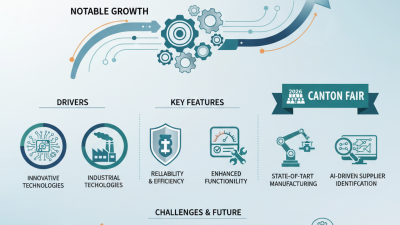
When sourcing EPDM rubber suppliers, understanding market trends and material testing is crucial. The EPDM rubber market is projected to reach $3.4 billion by 2026, according to recent market reports. This growth reflects increasing demand in various industries, including automotive and construction. Choosing the right supplier involves more than just price—it's about reliability and quality.
Testing plays a vital role in supplier selection. Request samples to evaluate material durability, elasticity, and resistance to environmental factors. A study from the Rubber Division of the American Chemical Society suggests testing rubber properties under various temperatures and conditions. It highlights that EPDM's performance can vary significantly based on manufacturing processes.
The ideal EPDM supplier should provide detailed material certifications. These documents ensure compliance with industry standards and benchmarks. Engaging with multiple suppliers for quotes and product specs is advisable. Not all suppliers adhere to the same quality control measures. Inconsistent materials can lead to application failures, increasing costs in the long run.
EPDM Rubber Properties Comparison
This chart compares the mechanical properties of different types of EPDM rubber based on tensile strength, elongation at break, hardness, and temperature resistance. These properties are essential for selecting the appropriate EPDM rubber for specific applications.