Vulcanized Rubber Benefits and Tips for Global Buyers?
Vulcanized Rubber is a crucial material in various industries. Its unique properties make it highly valued in manufacturing tires, industrial products, and consumer goods. According to a recent report by Grand View Research, the global vulcanized rubber market is projected to reach USD 57 billion by 2028, growing at a CAGR of 4.5%. This growth highlights the increasing demand for reliable and durable rubber products.
One of the primary benefits of Vulcanized Rubber is its enhanced elasticity and weather resistance. This makes it ideal for outdoor applications, where exposure to elements is a concern. However, buyers should also be cautious. Not all vulcanized rubber products are created equal. Quality can vary significantly based on manufacturing processes and raw materials used. It’s essential for global buyers to conduct thorough research and partner with reputable suppliers.
Moreover, while the potential of vulcanized rubber is immense, challenges such as environmental impact and sustainability need reflection. As industries evolve, so must our approach to sourcing these materials. Emphasizing both efficiency and responsibility will ensure a more sustainable future for the vulcanized rubber market.

Vulcanized Rubber: An Overview of Its Properties and Applications
Vulcanized rubber is a crucial material in various industries. It gains its strength and durability through a chemical process that enhances its properties. This process involves adding sulfur to natural rubber, making it elastic and heat-resistant. The result is a robust material, suitable for demanding applications.
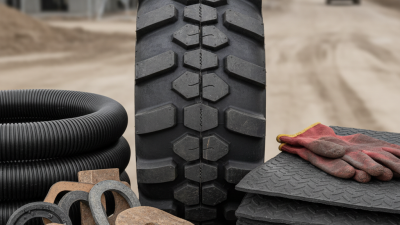
In automotive manufacturing, vulcanized rubber is essential for tires, gaskets, and hoses. These products must withstand extreme conditions. Similarly, in industrial settings, it serves as a reliable solution for seals and insulation. The resilience of vulcanized rubber helps reduce maintenance costs for equipment. However, sourcing high-quality materials can be challenging. Buyers must consider the environmental impact of production techniques and the sourcing of raw materials.
Not all vulcanized rubber is created equal. Different formulations can lead to varying properties, affecting performance. Factors such as temperature, humidity, and exposure to chemicals play significant roles in rubber durability. It’s important to reflect on these aspects when choosing materials for specific applications. Understanding the properties of vulcanized rubber ensures that buyers can make informed decisions, balancing quality with cost.
Key Benefits of Using Vulcanized Rubber in Various Industries
Vulcanized rubber is a versatile material used across various industries. Its strength and durability make it a popular choice for everything from automotive parts to industrial machinery. The vulcanization process improves the rubber's resistance to heat, chemicals, and aging. This results in longer-lasting products that require less frequent replacement, ultimately reducing costs.
In the construction sector, vulcanized rubber is favored for its excellent weather resistance. Roofs and seals made from this material can withstand harsh conditions. Additionally, its flexibility allows for easy installation in various applications. In the healthcare industry, vulcanized rubber is utilized for medical devices and protective gloves. Its ability to maintain hygiene and prevent contamination is crucial for patient safety.
While the benefits are clear, challenges remain. Sourcing high-quality vulcanized rubber can be difficult for global buyers. The market varies widely in terms of quality and price, requiring careful evaluation before purchasing. Some buyers may find it hard to differentiate between products. As manufacturers innovate, keeping up with the latest trends and specifications becomes essential. Balancing cost with quality is a constant concern for many industries relying on vulcanized rubber.
Essential Considerations for Sourcing Vulcanized Rubber Globally
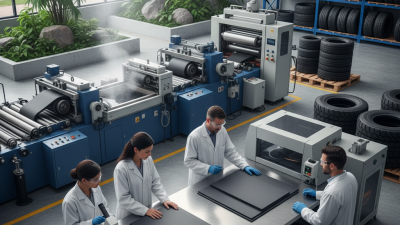
When sourcing vulcanized rubber globally, certain considerations are crucial to ensure quality and reliability. The production process involves heat and sulfur, which enhances the material's durability and elasticity. Understanding the manufacturing standards is essential. Verify if the supplier adheres to recognized quality certifications. This can significantly affect the performance and lifespan of the rubber products.
Tips for sourcing include assessing the supplier's experience in the industry. An experienced supplier will have a better understanding of raw materials and production methods. Look for suppliers with a proven track record. Online reviews and industry forums can provide valuable insights. Also, engage directly with the suppliers. Discuss any specific requirements or standards you have.
Evaluating the shipping and logistics is another important aspect. Transporting vulcanized rubber requires careful handling to prevent damage. Ensure that your supplier has robust logistics solutions. Inspect samples before committing to larger orders. This helps you avoid potential disappointments. Remember, not all suppliers are equal. Take your time to make informed decisions. This could save you from future complications.
Tips for Evaluating Quality and Performance of Vulcanized Rubber Products
When evaluating the quality and performance of vulcanized rubber products, several factors come into play. Assessing the material's hardness is crucial. Hardness impacts durability and flexibility, which are vital for different applications. Look for products that provide a clear Shore A hardness rating. This helps determine if the rubber will perform well within specific conditions.
Another aspect to consider is tensile strength. Testing this can reveal how much force the rubber can withstand before failing. Detailed specifications will often be available, but do not hesitate to ask for test results from manufacturers. Moreover, consider the appearance of the rubber. Any visible flaws or inconsistencies can indicate poor quality or improper mixing during the manufacturing process.
Understanding the compound used in vulcanization can also guide your choice. Different compounds offer varying resistance to heat, aging, and chemicals. However, not all suppliers will provide this breakdown. Engage in direct communication to clarify any doubts. Lastly, remember that not every product will meet your expectations. Regularly reassess your criteria as you gain more experience in sourcing these materials.
Vulcanized Rubber Performance Comparison
This chart illustrates the performance characteristics of vulcanized rubber, focusing on key properties such as tensile strength, elongation at break, hardness, and abrasion resistance. These metrics are critical for buyers when evaluating the quality and performance of vulcanized rubber products.
Sustainable Practices in the Production of Vulcanized Rubber Materials
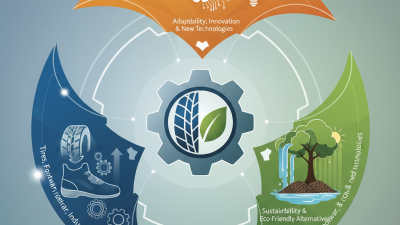
Sustainable practices in the production of vulcanized rubber materials are crucial for both the environment and the economy. The process of vulcanization itself can involve chemical agents that are harmful. Thus, manufacturers are exploring eco-friendly alternatives. Using renewable resources and minimizing waste not only benefits the planet but also improves product quality.
When sourcing vulcanized rubber, consider the source of the raw materials. Look for suppliers that use natural rubber from sustainable plantations. Support companies that engage in fair labor practices. This ensures that the production process is ethical and responsible.
Here are some tips for global buyers. Always verify if the rubber has certifications for sustainability. Inquire about the company’s waste management practices. Also, demand transparency regarding the chemicals used in the vulcanization process. Careful scrutiny can lead you to reliable partners. Making informed choices helps promote a more sustainable industry.