What is Vulcanized Rubber and Why is it Important?
Vulcanized Rubber is a critical material in various industries. It is produced through a chemical process that improves rubber's durability and elasticity. The global rubber market was valued at around $41 billion in 2021, with vulcanized rubber representing a significant share due to its versatility.
This material finds applications in automotive, construction, and consumer goods. According to industry reports, nearly 90% of tires produced today contain vulcanized rubber, highlighting its importance in vehicle performance and safety. However, challenges remain. Recycling vulcanized rubber is difficult. Many end up in landfills, raising environmental concerns.
Emerging research suggests new methods for reusing vulcanized rubber. Improved technologies could enhance its sustainability. While the benefits are clear, the industry must reflect on these issues for a greener future. Vulcanized Rubber remains vital, but responsible management is essential.
What is Vulcanized Rubber? An Overview of Its Composition and Process
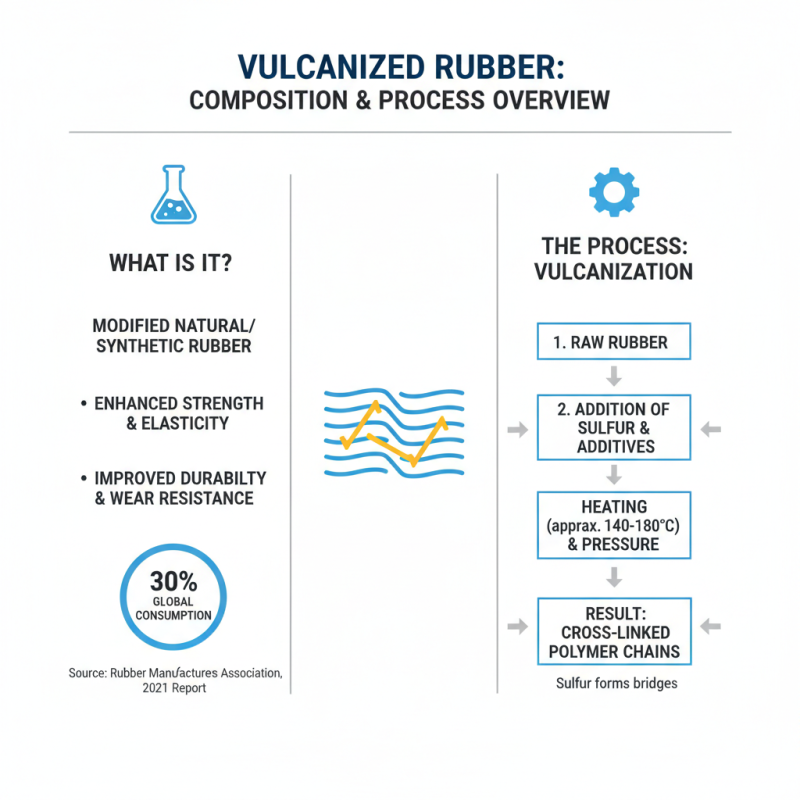
Vulcanized rubber is a crucial material widely used in various industries. Its unique properties arise from a specific chemical process involving sulfur. This process enhances the strength and elasticity of rubber, making it more durable and resistant to wear. A 2021 report from the Rubber Manufacturers Association indicates that vulcanized rubber comprises about 30% of global rubber consumption.
During vulcanization, raw rubber undergoes a transformation. This involves heating it with sulfur. The sulfur atoms form cross-links between the rubber molecules. This structure affects the rubber's physical properties significantly. For example, a study found that vulcanized rubber can withstand temperatures up to 150 degrees Celsius. In contrast, untreated rubber degrades much faster under heat.
Despite its many advantages, vulcanization is not without challenges. The process often requires precise conditions to achieve optimal results. Over-curing can lead to brittleness, while under-curing may result in poor mechanical properties. This balancing act highlights the need for expertise in the field. According to industry experts, a miscalculation in sulfur content can compromise the material's reliability. Thus, understanding the intricate relationship between composition, process, and end-use is vital for quality control.
Historical Development of Vulcanized Rubber and Its Key Inventors
Vulcanized rubber, a revolutionary material, has changed industries since its inception. The process began with Charles Goodyear in the 1830s. His experiments led to a crucial discovery: heating natural rubber with sulfur made it more durable. This innovation occurred when Goodyear accidentally combined rubber with sulfur over a stove. The result was a robust material that could withstand heat and cold.
Another notable figure was Thomas Hancock. He expanded on Goodyear's work in Britain. Hancock developed methods to recycle rubber, creating greater efficiencies. His contributions made rubber more accessible for various applications. Without these key figures, modern rubber products may not exist today.
However, the journey of vulcanized rubber wasn't perfect. Early attempts faced challenges, including inconsistent quality. Some batches were too brittle, while others lost shape. These issues demanded ongoing experimentation and adjustments. While today’s manufacturing processes are advanced, the legacy of Goodyear and Hancock remains a vital part of history. Their work symbolizes innovation facing obstacles and reflects the importance of perseverance in developing new materials.
Major Applications of Vulcanized Rubber in Different Industries
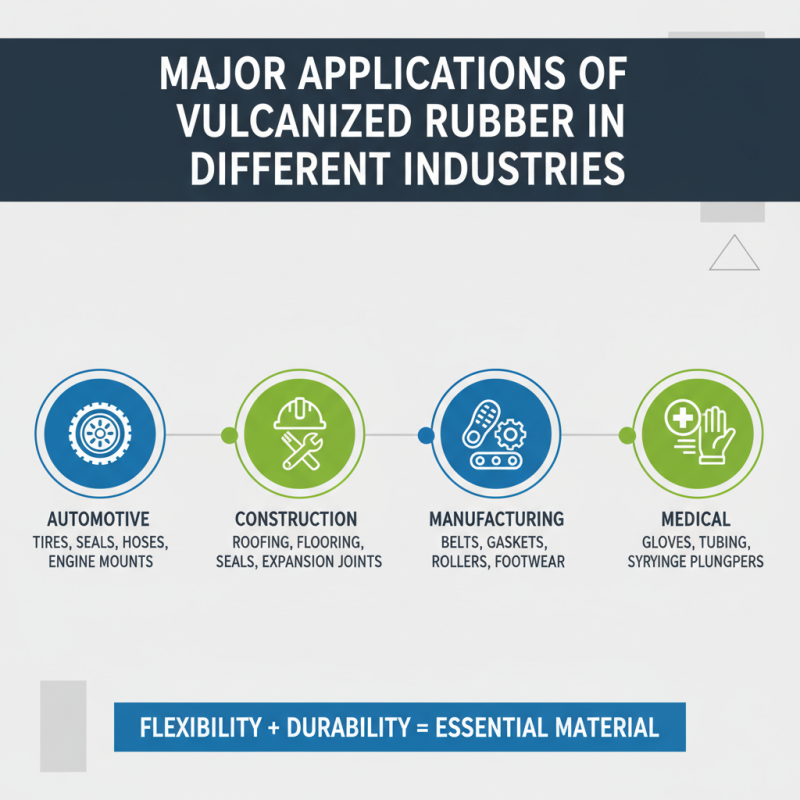
Vulcanized rubber is a vital material found in various industries. Its unique properties, such as flexibility and durability, make it essential. From automotive to construction, vulcanized rubber plays a significant role.
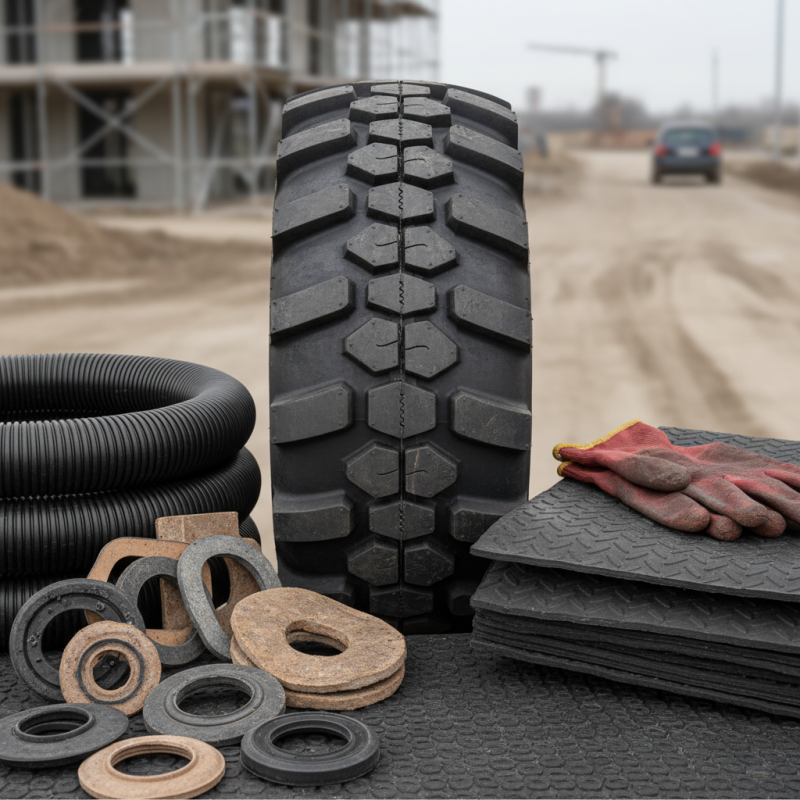
In the automotive industry, vulcanized rubber is used for tires, seals, and gaskets. These components must withstand extreme conditions. Regular rubber would degrade quickly; vulcanized rubber resists this deterioration. Tires made from this material provide better traction and longer life.
The construction sector utilizes vulcanized rubber for roofing, flooring, and insulation. Its water resistance prevents damage from leaks. However, some may find its installation process complex. Rubberized flooring offers durability but can be costly. Despite these challenges, the benefits often outweigh the downsides.
The Impact of Vulcanized Rubber on Product Durability and Performance
Vulcanized rubber is a game-changer in various industries. Its process enhances the properties of rubber, making it more durable and heat-resistant. This durability is crucial for products like tires, gaskets, and seals.
The performance improvements from vulcanized rubber are significant. It withstands wear and tear much better than untreated rubber. This means longer-lasting products that require less frequent replacements. Additionally, vulcanized rubber can endure extreme temperatures, making it suitable for diverse applications.
Tip: When choosing rubber materials, assess their performance in specific conditions. It’s essential to understand the environment in which they will be used. Not all rubber blends offer the same durability or protection.
While vulcanization offers many benefits, it isn't without challenges. The process can be costly and may not suit all applications. It's essential to weigh the pros and cons based on your particular needs.
Tip: Conduct thorough research on the vulcanization process. Understanding its implications will aid in making informed decisions about rubber usage in your projects.
Environmental Considerations and Recycling of Vulcanized Rubber Products
Vulcanized rubber is widely recognized for its durability and versatility. However, environmental issues arise from its disposal. Once discarded, vulcanized rubber can take decades to decompose. This prompts a need for effective recycling options and sustainable practices.
Recycling vulcanized rubber is crucial. It reduces waste associated with tire disposal and other rubber products. However, the process can be complex. The materials used in vulcanization can complicate recycling efforts. Many facilities are not equipped to handle such materials. Still, advancements in technology are being made to improve this situation.
Tips for sustainable practices include using recycled rubber products whenever possible. Look for manufacturers who prioritize eco-friendly methods. DIY projects with old rubber products can also reduce waste. Consider upcycling worn-out items instead of throwing them away. Exploring local recycling options can make a difference too. While progress is being made, challenges remain. Continuously improving recycling processes and consumer awareness is essential.