Global buyers need more than a supplier’s price sheet when evaluating Center Line products. They need clear specifications, repeatable quality checks, and practical answers about lead times. A center line may appear as a simple mark on a drawing or component. Yet a small measurement difference can complicate assembly, inspection, or delivery.
The trade environment makes careful purchasing even more important. The World Trade Organization’s 2024 Global Trade Outlook and Statistics report noted that merchandise trade volume fell 1.2% in 2023. It projected growth of 2.6% for 2024. These figures do not predict the outcome for any single buyer. They do show why teams should verify supplier capacity, shipping assumptions, and documentation before placing orders. Ask for a controlled drawing, sample measurements, material details, and a written process for handling deviations. Check that both sides use the same units and revision number. Small checks matter.
Toyota production-system pioneer Taiichi Ohno is often associated with the reminder, “Having no problem is the biggest problem of all.” Buyers can apply that thinking to Center Line sourcing: invite suppliers to identify risks early, rather than treating silence as proof of control. A factory walkthrough or video call can reveal practical details, from how operators position a part to how inspection results are recorded. No checklist catches everything. That is worth admitting. These seven tips offer a grounded starting point for asking sharper questions, comparing suppliers fairly, and reducing avoidable surprises across borders.
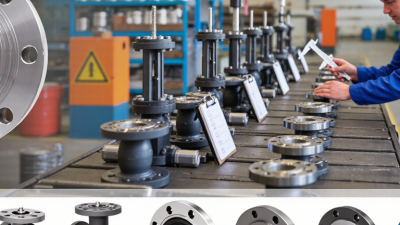
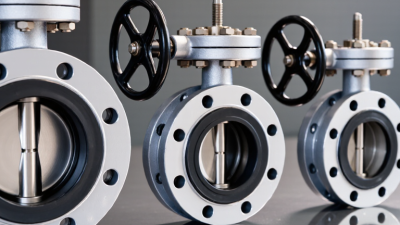
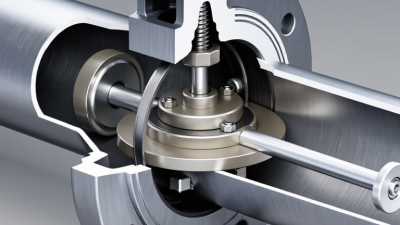
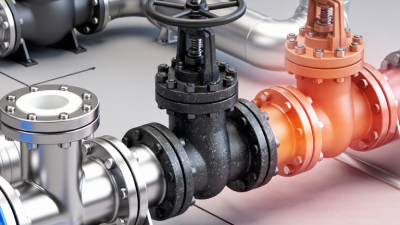
Center-line products commonly refer to butterfly valves whose disc and shaft sit on the pipe’s center axis. A quarter-turn moves the disc to regulate or stop flow, making the design compact for large pipelines. You may encounter these valves in building HVAC loops, water distribution, and general service lines. Typical details matter: an elastomer seat, face-to-face dimensions, pressure rating, and compatible fluid temperature. Fit matters. A valve that matches the pipe diameter may still fail the duty if its seat material or pressure class is wrong.
The U.S. EPA’s 2023 Drinking Water Infrastructure Needs Survey and Assessment estimates $625 billion in drinking-water infrastructure needs over 20 years. That scale helps explain why maintainable flow-control equipment matters in treatment and distribution networks. In HVAC, the IEA’s 2018 Future of Cooling report projects space-cooling electricity demand could reach 6,200 TWh annually by 2050 in its baseline scenario. Center-line butterfly valves can support chilled-water isolation and balancing arrangements, but they are not automatically right for every service. Abrasive solids, high temperatures, or tight shutoff requirements may call for another design. I would check the operating data before treating a catalog description as a specification.
A center line purchase should begin with the product, not a machine list. Describe the materials, dimensions, and variations you expect to run. State the target output per shift and the number of operating hours. Include acceptable tolerances and the steps the line must perform, such as feeding, forming, assembly, or inspection. Be specific. “High capacity” is not a measurable requirement.
Ask suppliers to show how quoted output was calculated, including changeover time and planned downtime. Specify available floor space, line direction, access for maintenance, and local power and air supply. Share layout drawings and utility limits early. If your site has seasonal temperature or humidity changes, mention them. These details affect installation and performance. A neat spreadsheet can still hide a bad assumption: the first capacity estimate is often optimistic, so check it against real shift data.
Define documentation and acceptance criteria before comparing proposals. Request equipment dimensions, operating manuals, spare-parts lists, training scope, and a clear commissioning plan. Agree on how output, product quality, and safety functions will be tested at handover. Requirements may vary by destination, so confirm applicable technical and import requirements with qualified local advisers. Leave room for practical adjustments, but record every approved change. One overlooked detail, such as a narrow doorway or an unavailable utility connection, can delay installation.
7 Center Line Tips for Global Buyers
Evaluating Suppliers, Certifications, and Manufacturing Capabilities
A supplier’s brochure is a starting point, not proof of capability. Ask for recent production records, equipment lists, and a sample inspection report. Compare the stated center-line dimensions with your own drawing. Small measurement differences can create costly fit problems later. Request a first-article sample when practical.
Check whether certificates are current and cover the actual factory and product scope. Verify details with the issuing organization, rather than relying on a logo in a presentation. Ask how materials are identified and traced from receipt to shipment. A clear batch record is more useful than a broad promise of quality. Also review how defects are documented and corrected.
Capacity deserves a closer look. Ask which machines handle critical operations, what tolerances they routinely maintain, and how they manage peak orders. A video call from the production floor can clarify more than a polished sales deck. Discuss packaging, inspection checkpoints, and response times across time zones. Even careful checks have blind spots; a single audit cannot predict every production issue. Keep expectations written, and revisit them after the first order.
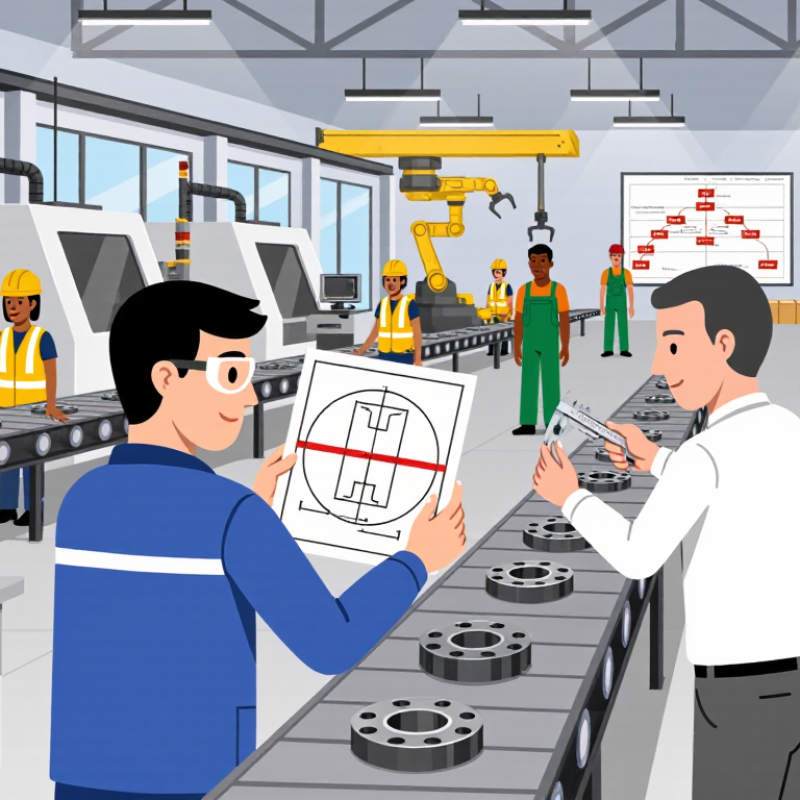
A signed sample is useful, but it is not proof that every production unit will match. Ask for a pre-production sample made with the intended materials, tooling, and finish. Check dimensions with calipers, inspect edges for burrs, and run the part through its real operating cycle. Keep an approved reference sample, plus dated photos and a written defect list. Small details matter. A connector that feels loose or a mounting hole shifted by two millimeters can delay installation. ASQ’s Cost of Quality guidance estimates that poor quality can cost 15–20% of sales, making early checks a practical investment.
Set inspection criteria before the order starts. ISO 2859-1 provides acceptance-sampling plans based on lot size and acceptable quality limits; agree on the inspection level and defect categories with the supplier. For critical dimensions, measure more than one piece and record the results. For appearance, use consistent lighting and viewing distance. An independent inspector can compare cartons, labels, and finished goods against the approved sample before shipment. A neat sample can still hide a weak process. One limitation is worth admitting: sampling reduces risk, but it cannot guarantee a defect-free lot. Share inspection photos and measurement records, then discuss any borderline result before release.
Use these checkpoints to structure sample reviews and inspections. The bars count the example prompts listed below; they are checklist counts, not industry statistics or supplier performance scores. Adapt the checks to the product, agreed specifications, and applicable requirements.
A center line’s purchase price is only one part of the budget. Request an itemized quotation covering tooling, installation, operator training, spare parts, and any electrical changes needed at your site. Small items add up. Ask which services are included and which are billed separately. A budget can still be optimistic if it overlooks local wiring, floor preparation, or lifting equipment.
Shipping costs depend on crate dimensions, weight, route, and delivery terms. Confirm who arranges freight, insurance, port handling, and inland transport before approving the order. Measure doorways and check the unloading plan; a machine that fits the container may not fit the workshop entrance. Customs paperwork also matters. Ask for accurate product descriptions and shipping documents, then have a qualified customs broker verify the classification, duties, and local requirements. Estimates can change, so leave room for delays and unexpected fees.
Plan after-sales support before the machine ships. Get warranty coverage, service response times, training details, and spare-part availability in writing. Time zones can slow troubleshooting. Ask how remote support works and which components should be kept on site. Agree on practical acceptance checks, such as a trial run using your material and a written record of the results. The test may reveal issues you did not anticipate. That is useful information, not a reason to rush past commissioning.
| Planning area | Practical tip | Useful planning data | Buyer action |
|---|---|---|---|
| 1. Define the specification | Confirm the machine configuration, output, power supply, operating environment, and included accessories before requesting quotations. | A complete specification helps make supplier quotations comparable and reduces the risk of unbudgeted options. | Ask for a written scope of supply, technical drawings, and a list of exclusions. |
| 2. Build a landed-cost budget | Budget beyond the quoted equipment price to account for transport, insurance, import charges, local delivery, and installation. | A landed-cost estimate generally includes the product price, freight, insurance, customs duty, import tax, and destination handling. Rates vary by route and country. | Request separate line items and compare quotations using the same delivery basis and named destination. |
| 3. Choose a suitable shipping mode | Select sea, air, or land transport according to shipment size, urgency, and total cost—not freight price alone. | As a broad guide, port-to-port sea freight often takes several weeks; air freight is usually measured in days. Customs, routing, and inland delivery add time. | Get current transit estimates, cargo dimensions and weight, packing details, and a written list of destination charges. |
| 4. Verify customs requirements | Confirm the correct tariff classification and check whether the equipment requires permits, conformity documents, or special declarations. | Duty rates depend on the importing country, product classification, origin, and any applicable trade agreement. Import taxes and fees are separate considerations. | Ask a customs broker or the relevant authority to verify classification and estimated charges before shipment. |
| 5. Check documents and delivery terms | Agree who handles export clearance, main carriage, insurance, import clearance, and delivery to the final site. | Common shipping documents include a commercial invoice, packing list, and transport document; additional certificates may be required by the destination. | Record the agreed Incoterms® rule and named place in the contract, and have document details checked before dispatch. |
| 6. Plan installation and acceptance | Confirm site readiness, utility requirements, operator training, commissioning responsibilities, and measurable acceptance criteria. | Installation time depends on equipment complexity, site conditions, and the availability of qualified technicians and local utilities. | Agree on a commissioning checklist and document the test results, training delivered, and any outstanding issues. |
| 7. Secure after-sales support | Set expectations for warranty coverage, response times, spare parts, troubleshooting, and remote or on-site assistance. | Warranty terms, exclusions, parts availability, and service response commitments differ by contract and destination; they should not be assumed from a product listing. | Obtain written warranty terms, a recommended spare-parts list, service contact details, and a process for handling claims. |
Planning note: Freight times, customs charges, and compliance requirements are indicative and depend on the product, route, and destination. Confirm current details with a freight forwarder, customs broker, and relevant local authorities.