Inquiry
Form loading...

China Best Butter Valve Manufacturer and Supplier

China’s valve industry offers a wide range of designs, materials, and manufacturing capabilities. Choosing a Butter Valve supplier, however, takes more than comparing prices. Buyers should examine body and disc materials, seat design, pressure and temperature ratings, operating torque, and documented inspection procedures. Small details matter. A rough disc edge or inconsistent seat fit can affect sealing performance in real service.

Valve applications engineer Daniel Wu puts the selection principle this way: “A reliable valve is not defined by its nameplate alone; it must match the medium, operating conditions, and maintenance plan.” This is a practical viewpoint, not a substitute for project-specific engineering review. It also invites a useful question: does the supplier provide clear test records and explain how each model suits the application? Those answers can reveal more than a polished catalogue.

This guide explores how to assess China’s Butter Valve manufacturers and suppliers, from production experience to quality controls and customer support. Look for traceable material information, repeatable dimensional checks, and realistic delivery commitments. Ask about installation orientation, actuator options, and spare-part availability before placing an order. A supplier may meet a specification on paper yet still require closer review. That deserves attention. Careful verification helps buyers compare options with confidence and select a valve suited to the actual system—not merely the lowest quoted price.
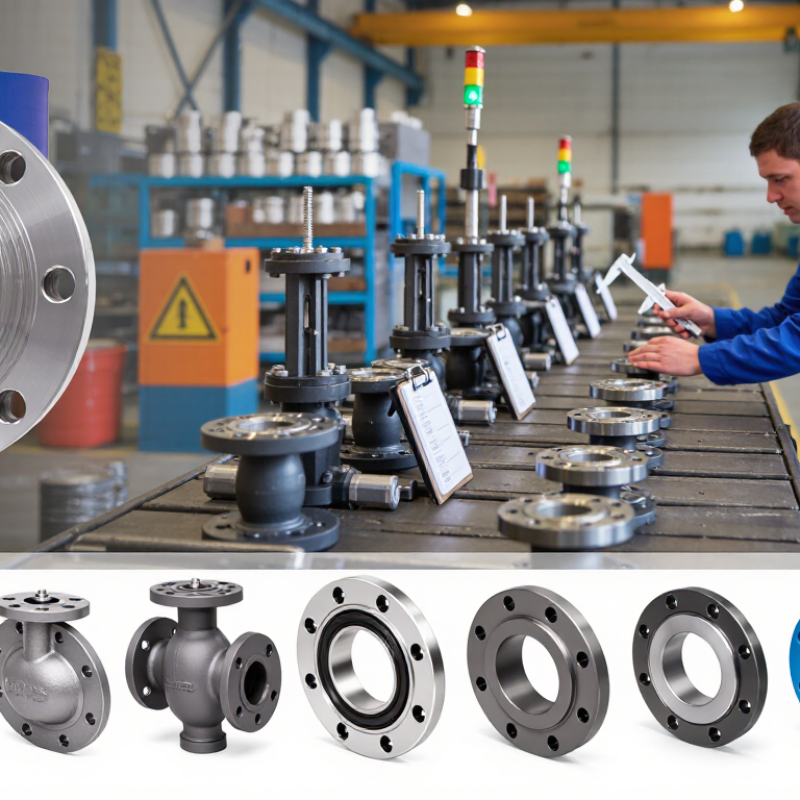
China Best Butter Valve Manufacturer and Supplier

What a Butter Valve Is and How It Controls Flow

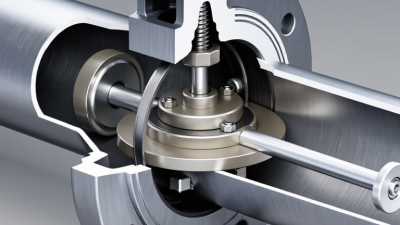
A butterfly valve controls flow with a circular disc fitted inside the pipe. Turning the stem rotates the disc, changing the space available for fluid to pass. At full opening, the disc sits nearly parallel to the flow; closing it turns the disc across the passage. Small turns matter. However, disc angle and flow rate do not usually change in a perfectly proportional way. Pressure, pipe size, fluid properties, and valve design all affect the result. A valve that is poorly sized may cause unwanted pressure loss or make stable control difficult.

Flow control also affects pumping energy. The U.S. Department of Energy’s Improving Pumping System Performance sourcebook estimates that pumping systems use nearly 20% of global electricity. This is a system-wide estimate, not a promise that changing one valve will reduce energy use. Engineers should check operating pressure, required flow range, temperature, and fluid compatibility before selecting a valve. During commissioning, compare the indicated position with actual flow and pressure readings. A small mismatch can reveal a setup issue. Manufacturer data on disc design, seat material, pressure rating, and testing helps buyers compare suppliers and verify that a valve suits the application.
Core Components and Common Valve Designs

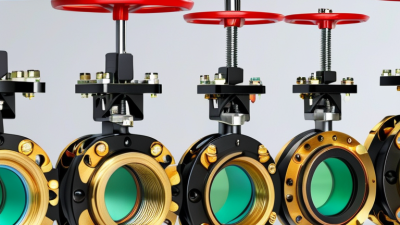
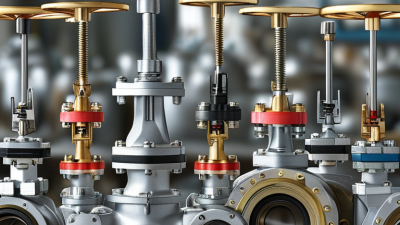
Butterfly valves rely on a compact set of parts: a body, rotating disc, stem, seat, and operating device. The disc turns about a quarter-turn to regulate or stop flow. Seat material and disc clearance affect leakage, torque, and wear, so selection should reflect the fluid, temperature, and operating cycles. Small details matter. A concentric design places the stem and disc centrally, often suiting general water and low-pressure duties. Double-offset designs move the stem axis to reduce seat contact during opening. Triple-offset designs add an angled seat geometry, which can support metal-to-metal sealing in demanding services. These designs are not interchangeable.

MarketsandMarkets’ 2023 Industrial Valves Market report estimated the overall market at USD 74.2 billion in 2023, with a forecast of USD 93.4 billion by 2028. The figures cover many valve types, not butterfly valves alone, but they show the scale of industrial flow-control demand. For practical checks, engineers can compare face-to-face dimensions with ISO 5752 and consult applicable design standards, such as API 609. An actuator may be manual, pneumatic, or electric; its torque rating should account for pressure and seat friction. A catalog rarely captures every installation condition. I would verify material compatibility and test records before specifying a valve, especially where solids or frequent cycling are involved.

Materials, Manufacturing, and Quality Requirements

A reliable butterfly valve starts with the right material for the fluid, temperature, and pressure—not simply the lowest purchase price. World Stainless reported 58.4 million tonnes of global stainless-steel melt-shop production in 2023, but broad availability does not guarantee consistent valve quality. For example, cast stainless steel may suit corrosive service, while ductile iron can be practical for many water systems. Seat materials also need compatibility checks. A mismatch can cause swelling, leakage, or premature wear. Material choice is rarely perfect without operating details.

Manufacturing controls turn suitable materials into dependable equipment. Inspect castings for visible defects, machine the disc and seat-contact surfaces accurately, and verify stem alignment and operating torque. ISO 5208 specifies pressure-testing procedures and leakage-rate classifications; Rate A allows no visually detectable leakage during the test. Apply the relevant product specification and test conditions rather than assuming one procedure fits every valve. Keep material certificates, dimensional results, and pressure-test records traceable to each unit. Small details matter. A polished finish cannot compensate for poor alignment, and this is an area manufacturers should keep reviewing.

Tips: Ask for material traceability and documented test results. Confirm the seat material against the actual fluid and temperature. Check that inspection records match the valve’s size and rating.

CF8M Stainless Steel: Key Composition Values

ASTM A351/A351M specifies CF8M cast stainless steel with chromium at 18–21 wt.%, nickel at 9–12 wt.%, and molybdenum at 2–3 wt.%. The chart shows the midpoint of each specified range. These alloying elements help define the material’s corrosion-resistance characteristics; final valve selection should also consider service conditions, design requirements, and applicable inspection and pressure-testing standards.

Source: ASTM A351/A351M, chemical composition requirements for grade CF8M. Values shown are range midpoints, not product test results.

Industrial Applications and Selection Considerations

Butterfly valves are used in water treatment, HVAC, food processing, and many general industrial pipelines. Their compact body can fit between flanges, helping save space in crowded pump rooms. Operators may use them for isolation or flow adjustment, but frequent throttling can increase wear, depending on the valve design and process conditions. Details matter.

Selection starts with the medium. Water, air, slurry, and mildly corrosive liquids place different demands on the disc, seat, and body materials. Check operating pressure and temperature, not just the pipe size. A valve rated for one duty may perform poorly when exposed to hot fluid, abrasive particles, or repeated pressure changes. Seat material is especially important because it affects sealing and service life.

Connection style also matters. Wafer valves are compact, while lug or flanged designs may suit different installation and maintenance needs. Confirm face-to-face dimensions, flange compatibility, actuator torque, and available clearance before ordering. For automated systems, consider fail position and control requirements. In practice, drawings do not always show nearby obstructions or awkward access. A site measurement can prevent a costly mismatch. Engineers should also review expected cycling and maintenance intervals with the supplier; these details are easy to underestimate during initial selection.

How to Assess Chinese Butter Valve Manufacturers and Suppliers

Assessing Chinese butter valve manufacturers starts with matching the valve design to real service conditions. Share the medium, temperature, pressure, pipe size, actuation needs, and expected operating cycles. Ask for drawings that identify body material, disc design, seat compound, and stem details. Request material certificates and pressure-test records linked to the quoted model or production batch. Paperwork can look polished; that alone proves little.

Check whether the supplier can explain how it controls machining, assembly, and inspection. During a factory visit or video audit, look for calibrated test equipment, clean assembly areas, and clear identification of parts. Ask how the team checks seat leakage and operating torque, and what happens when a unit fails inspection. A sample valve can reveal details photos miss, such as finish quality and smooth movement. Test it under conditions close to your application, where practical.

Clarify production capacity, lead times, spare-part availability, and warranty terms in writing. Confirm which quality certificates apply to the specific factory and product, then verify their scope and validity with the issuer. Ask for references from buyers with similar valve sizes or operating conditions. Responses matter. Vague answers about materials or testing deserve follow-up, even if the quotation is attractive. I would not treat one successful sample as proof that every later batch will match; inspection plans can still miss defects, so agree on checks before shipment.

China Best Butter Valve Manufacturer and Supplier - How to Assess Chinese Butter Valve Manufacturers and Suppliers

Use this checklist to compare suppliers of butterfly valves (sometimes referred to as “butter valves”). Requirements depend on the valve design, service conditions, and applicable project specifications; verify all claims against current documents and the relevant standard editions.

No. Assessment dimension What to check Evidence or practical benchmark Weight Score
(0–5)
1 Product and design standards Confirm the valve type, design, face-to-face dimensions, pressure rating, and applicable manufacturing standard. Request datasheets and drawings identifying the applicable edition of standards such as API 609 or EN 593. Check face-to-face dimensions against the project requirement, such as ASME B16.10 where specified. 15% _____
2 Pressure and temperature suitability Check the rated pressure and temperature for the complete valve assembly, including body, disc, seat, stem, and actuator if supplied. Obtain the pressure–temperature rating chart for the exact model and materials. Confirm that the rating covers the project’s design conditions; do not infer a rating from nominal size or material alone. 15% _____
3 Material traceability Match body, disc, stem, seat, and fastener materials to the fluid, corrosion conditions, and temperature range. Request a bill of materials and material test certificates, such as EN 10204 Type 3.1 when specified. Common examples include cast stainless steel grades such as ASTM A351 CF8M; confirm the actual grade and suitability for the service. 15% _____
4 Testing and inspection Review shell and seat test procedures, acceptance criteria, inspection records, and test equipment calibration. Ask for model-specific test reports and confirm the specified test standard, such as API 598, ISO 5208, or EN 12266-1, as applicable. Clarify test pressure, duration, leakage acceptance, and whether witnessing is available. 15% _____
5 Quality management and process control Assess documented controls for purchasing, casting or fabrication, machining, assembly, nonconformance, and final inspection. Review a current quality-management certificate, if required, and verify its scope and issuing body. An ISO 9001 certificate indicates a quality-management system; it does not by itself certify a valve’s design or performance. 10% _____
6 Actuator and interface compatibility For actuated valves, check operating torque, actuator sizing, fail position, control requirements, and mounting interface. Request torque data across the operating range and confirm the actuator has been sized for the specified differential pressure and service. Check the mounting dimensions against ISO 5211 where applicable. 10% _____
7 Capacity and production planning Determine whether the supplier can meet the required size range, quantity, delivery schedule, and inspection plan. Request a production schedule, lead-time breakdown, and capacity evidence relevant to the order. Confirm which operations are performed in-house and which are subcontracted. 10% _____
8 Documentation and export readiness Check the supplier can provide the documents and packaging required for the destination market and project. Agree on the document list before ordering: drawings, datasheets, test reports, material certificates, operation and maintenance instructions, packing list, and certificate of origin if required. Confirm export packaging and marking requirements. 5% _____
9 Warranty and after-sales support Review warranty scope, exclusions, spare-parts availability, response process, and technical support arrangements. Obtain the written warranty terms and clarify coverage start date, remedy for defects, and responsibility for shipping or replacement parts. Check whether recommended spares and maintenance guidance are available. 5% _____
Total weighted score (score out of 5 × weight) 100% _____

Scoring guide: 0 = no evidence; 1 = major gaps; 2 = limited evidence; 3 = meets stated requirements; 4 = strong, verifiable evidence; 5 = fully documented and independently verifiable. Treat certification and standard references as items to verify, not as automatic proof of product suitability.