2026 Top Steam Valve Suppliers for Global Buyers
Choosing a Steam Valve supplier in 2026 requires more than comparing catalog prices. Industrial buyers need predictable performance, traceable materials, and support that remains available after shipment. This guide introduces leading suppliers for global purchasing teams, plant engineers, distributors, and maintenance managers.
Our review focuses on practical evidence. We consider valve design, pressure and temperature ratings, metallurgy, sealing systems, factory testing, documentation, and quality controls. We also examine production capacity, customization, delivery consistency, warranty terms, and technical communication. A supplier may offer an attractive quote, yet weak drawings or unclear test records can create costly delays. Site experience teaches a simple lesson: small specification gaps become large problems near a hot, vibrating pipeline.
The suppliers featured here are assessed through public information, technical materials, buyer-relevant criteria, and industry experience. Where claims require confirmation, readers should request current certificates, inspection reports, sample data, and references for comparable applications. Regional standards and project requirements can differ, so a respected manufacturer is not automatically the right choice for every plant. No ranking is perfect. Market conditions change, and some supplier information may age faster than expected. Use this overview as a starting point, then verify engineering fit, service capability, and commercial reliability before approval. The best partnership is not always the cheapest. It is the one that performs consistently when steam pressure rises and schedules tighten.

Steam Valve Market Overview and Supplier Selection Criteria
Steam valve demand in 2026 remains strong across power generation, chemical processing, food production, and district heating. Buyers increasingly seek valves that reduce heat loss, leakage, and unplanned shutdowns. Market choice depends on pressure class, temperature range, connection type, and operating cycle. A valve for saturated steam may fail quickly on superheated steam.
Selection should begin with actual line conditions. Record pressure, temperature, pipe size, flow direction, and installation space. For example, a 2-inch line at 16 bar and 220°C needs different materials and sealing than a low-pressure heating loop. Carbon steel bodies suit many industrial systems, while stainless alloys may support corrosive environments. Seat design, actuator response, and fail-safe behavior also deserve close review. Small details matter.
Reliable suppliers provide material certificates, pressure-test records, leakage data, dimensional drawings, and traceable serial numbers. Independent inspection can verify production quality before shipment. Check manufacturing capacity, spare-part availability, technical response time, and experience with export documentation. A low price may hide longer lead times or expensive maintenance. It happens often. Buyers should compare total ownership cost, not only the quotation. Supplier audits are useful, but questionnaires are never perfect. A factory visit, sample review, or witnessed test can reveal gaps that polished documents miss. Availability of local service support may matter more than a slightly lower purchase price.
Key Steam Valve Types and Their Industrial Applications
2026 Top Steam Valve Suppliers for Global Buyers
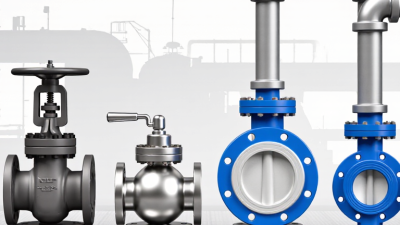
Steam valve selection depends on pressure, temperature, flow control, and maintenance access. Gate valves suit isolation duties on large steam lines. Their straight-through passage reduces pressure loss, but they should not regulate flow. Globe valves offer finer throttling for heaters, process vessels, and tracing systems. Their internal design creates more resistance, which some engineers underestimate.
Ball valves provide quick shutoff and compact installation. They work well on smaller steam branches when the seat and body materials match operating conditions. Butterfly valves can serve larger, lower-pressure lines, especially where space is limited. Check valves prevent reverse flow near pumps, boilers, and condensate equipment. In real plant inspections, incorrect installation direction remains a surprisingly common fault. No valve choice is perfect.
Tips:
Confirm pressure and temperature ratings from verified test documents. Check the medium, connection standard, actuator needs, and allowable leakage class. Ask suppliers for material certificates, pressure-test records, and maintenance guidance. Include start-up conditions, not only normal operating data. Steam hammer can damage a suitable valve when drainage is poor. Review spare-part availability for global sites. A cheaper valve may create longer shutdowns, although purchase teams sometimes miss this cost. For critical systems, independent inspection adds useful confidence.
Top Steam Valve Suppliers for Global Buyers in 2026
Top Steam Valve Suppliers for Global Buyers in 2026
Top steam valve suppliers for global buyers in 2026 are judged by engineering evidence, not attractive catalogs. Experienced buyers examine pressure classes, temperature ratings, body materials, and sealing performance before requesting prices. A valve designed for saturated steam may fail in superheated service. That detail matters.
Reliable suppliers provide material certificates, pressure-test records, dimensional drawings, and traceable serial numbers. They should explain testing methods clearly. Ask whether each valve receives shell, seat, and functional testing before shipment. Independent inspection can add confidence for critical installations. It also exposes weak documentation early.
Delivery capability matters across borders. Check manufacturing capacity, spare-part access, export packaging, and technical support in your region. A strong supplier can recommend suitable alloys for corrosive condensate and explain maintenance intervals. Communication should remain precise when specifications change. No supplier is perfect. Some offer excellent engineering but slower production, while others deliver quickly with limited customization. Buyers should record these compromises instead of hiding them. Factory audits, sample approvals, and reference projects can reveal practical performance beyond sales claims. Steam systems punish vague specifications. Small omissions may cause leakage, energy loss, or unplanned shutdowns.
Supplier Evaluation: Quality, Certification, and Technical Support
2026 Top Steam Valve Suppliers for Global Buyers
Selecting a steam valve supplier requires more than comparing prices and delivery dates. Quality evidence should include material certificates, pressure testing records, traceability, and documented inspection procedures. ASME B16.34 provides widely used requirements for valve pressure design, materials, and testing. Suppliers should explain how each shipment meets the applicable specification.
Certification helps, but it is not proof of field performance. The ISO Survey 2023 recorded more than 1.26 million ISO 9001 certificates worldwide. This figure shows broad adoption of quality systems, not equal product quality. Buyers should verify certificate scope, issuing bodies, expiration dates, and production-site details. A polished certificate pack can still hide weak controls. That deserves scrutiny.
Technical support often decides whether a steam valve performs safely after installation. The U.S. Department of Energy’s Steam System Sourcebook highlights inspection, pressure control, insulation, and maintenance as key efficiency factors. Ask suppliers for sizing calculations, actuator data, spare-part guidance, and startup assistance. Response time should be measured, not promised. During one evaluation, our team overvalued a low quotation and underestimated commissioning support. The lesson remains uncomfortable. Request a realistic service contact, escalation path, and sample troubleshooting report before approval. Suppliers that welcome technical questions usually provide stronger long-term reliability.
2026 Top Steam Valve Suppliers for Global Buyers - Supplier Evaluation: Quality, Certification, and Technical Support
This reference framework allocates 100 evaluation points across the main factors used in industrial steam-valve procurement. The criteria reflect common buyer requirements, including ISO 9001 quality management, API and ASME compliance, pressure and temperature suitability, material traceability, inspection documentation, and after-sales engineering support.
Global Purchasing Factors: Pricing, Lead Times, and After-Sales Service
Global buyers now assess steam valve suppliers beyond the quoted unit price. A 2024 industrial valve market assessment by Grand View Research projects steady market growth through 2030, increasing pressure on procurement teams to control total cost. The cheapest valve may require higher inspection, installation, or replacement expenses. Ask for material certificates, pressure-test records, packaging details, and a five-year spare-parts estimate. A spreadsheet can still lie.
Lead time deserves equal scrutiny. The World Bank’s 2023 Logistics Performance Index highlights persistent differences in customs efficiency, shipment tracking, and delivery reliability across markets. Request a production schedule with machining, testing, packing, and dispatch dates shown separately. For a typical flanged steam valve, confirm whether the supplier holds castings locally or starts after receiving payment. A promised 30-day delivery means little without these details. I have seen short quotations hide long approval queues.
After-sales service should be measurable, not promotional. Deloitte’s 2024 Global Chief Procurement Officer Survey identifies cost management and supply resilience as continuing procurement priorities. Buyers should request response-time commitments, troubleshooting procedures, technician coverage, and documented warranty exclusions. A practical service test is simple: send the same technical question to several suppliers and compare response quality within 48 hours. Also verify whether replacement seals and actuators remain available after installation. Perfect forecasts are rare, so include a small contingency for testing delays, export paperwork, and unexpected specification changes.