2026 Top Steam Valve Trends for Global Buyers to Know?
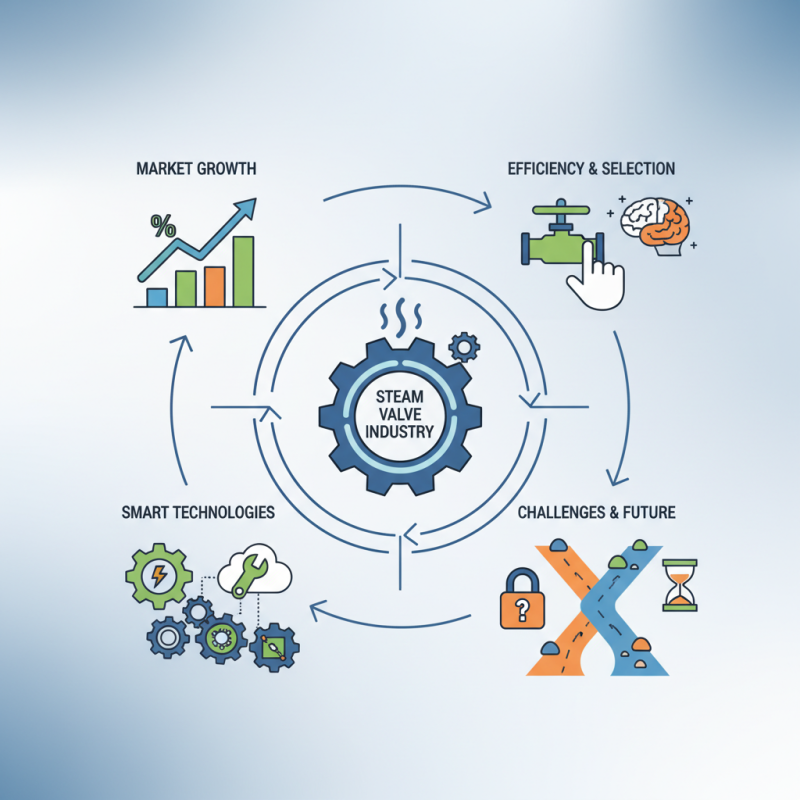
The steam valve industry is poised for transformative changes by 2026. According to a recent report by Market Research Future, the global steam valve market is expected to grow at a CAGR of 7.5% from 2021 to 2026. This growth reflects the increasing demand for efficient steam management in various applications, especially in manufacturing and energy sectors.
Experts emphasize the significance of the right steam valve selection. John Smith, a renowned expert in fluid control technologies, stated, "Choosing the right steam valve can enhance system efficiency dramatically." His insights highlight that while many companies invest in technology, others overlook crucial components like steam valves, leading to inefficiencies.
Predictive maintenance and smart technologies are emerging trends. These innovations promise to reduce downtime and improve reliability. However, not all companies are adapting quickly enough. Many still rely on outdated systems, which raises concerns about competitive edge and operational effectiveness. Addressing these issues will be crucial for global buyers as they navigate the evolving steam valve landscape.
Emerging Technologies Impacting Steam Valve Design and Functionality
In 2026, steam valve design and functionality are being revolutionized by emerging technologies. Advanced materials such as composites enhance durability and performance. For instance, research indicates that valves made from high-strength polymers can withstand extreme temperatures and pressures, marking a significant advancement in the industry. Furthermore, automation technologies are reshaping how steam valves operate, increasing efficiency and reliability.
Smart valves equipped with Internet of Things (IoT) sensors provide real-time data. This technology helps in predictive maintenance, reducing downtime. According to a recent industry report, companies adopting smart technology have seen a 30% reduction in operational costs. Despite these innovations, the integration process can be complex. Many companies face challenges in training personnel to use new systems effectively.
Tip: Invest in training programs to ensure your team can leverage new technologies. Another important consideration is choosing the right materials for specific applications. Failure to do so can lead to premature valve failures, negatively impacting productivity. As the industry evolves, ongoing adaptation and learning will be crucial for all stakeholders.
Shifts in Global Demand for Steam Valves Across Various Industries
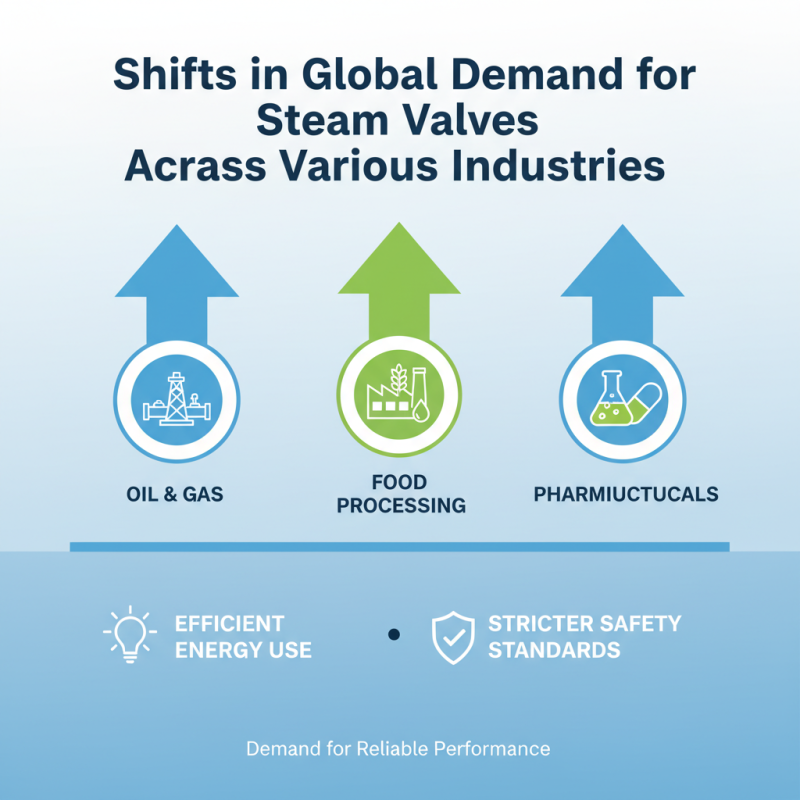
As global industries evolve, the demand for steam valves is shifting significantly. Industries such as oil and gas, food processing, and pharmaceuticals are witnessing a surge in requirements. This increase is largely due to the need for efficient energy use and stricter safety standards. Companies are prioritizing steam valve solutions that offer reliable performance.
The trend is also influenced by the move towards sustainability. Many industries are aiming to reduce their carbon footprint. They seek steam valves that enhance overall system efficiency. This shift may lead to the adoption of advanced materials and designs. Innovative technologies are emerging, but they come with challenges. Balancing cost and performance remains a concern for many buyers.
Moreover, regional demands vary notably. Emerging markets show strong growth in steam valve usage. Yet, established markets focus on upgrading existing systems. The understanding of various industry needs is crucial for manufacturers. They must adapt and innovate to meet these diverse expectations. Recognizing these shifts can significantly influence purchasing decisions. Efforts to remain adaptable will help in navigating this evolving landscape.
Sustainability and Eco-Friendly Practices in Steam Valve Manufacturing
The steam valve manufacturing industry is undergoing significant changes to prioritize sustainability. Eco-friendly practices are no longer optional; they are essential. Many manufacturers are exploring greener materials and production methods. For instance, utilizing recycled metals can greatly reduce the environmental impact of steam valves. Such shifts reflect a growing awareness of climate issues and consumer demand for sustainable products.
Designing steam valves with longer life cycles also plays a part in sustainability. Many engineers are focusing on durability, which reduces waste and the need for replacements. However, not all companies have adopted these practices yet. Some remain reliant on traditional methods that may harm the environment. There's an opportunity here for innovation and learning within the industry.
The push for sustainable practices is more than a trend; it is a necessity. Manufacturers face scrutiny regarding their environmental footprints. Implementing eco-friendly practices not only improves public perception but also enhances overall efficiency. The challenge lies in balancing these practices with costs and production demands. As the industry evolves, there will be a need for continuous reflection and improvement.
Market Challenges and Opportunities for Steam Valve Suppliers Worldwide
The steam valve market presents both challenges and opportunities for suppliers. In 2026, many suppliers face increasing competition due to globalization. New entrants to the market often offer lower prices, putting pressure on established companies. Suppliers need to reevaluate their pricing strategies and innovate their product lines to remain competitive.
In terms of opportunities, there is a growing demand for energy-efficient steam valves. Industries are increasingly focused on sustainability. Suppliers that invest in research and development will find a receptive audience. However, integration of advanced technology can be costly. Many companies struggle to balance innovation with affordability.
Another challenge involves regulatory compliance. Different regions have various standards. Suppliers must adapt their products to meet these regulations. Failure to comply can lead to significant financial penalties. Therefore, building a reliable supply chain with a focus on compliance is essential for long-term success.
2026 Top Steam Valve Trends for Global Buyers to Know
| Trend |
Market Challenges |
Opportunities |
Regional Insights |
| Smart Valve Technology |
High initial investment costs. |
Enhanced operational efficiency and remote monitoring. |
Growing markets in North America and Europe. |
| Sustainability Initiatives |
Regulatory compliance and environmental impact assessments. |
Increase demand for eco-friendly materials. |
Strong emphasis on sustainable practices in Asia-Pacific. |
| 3D Printing of Valves |
Limited material choices and technology adoption barriers. |
Custom solutions and reduced lead times. |
Rapidly developing regions like Latin America. |
| IoT Integration |
Cybersecurity risks and data privacy issues. |
Improved predictive maintenance strategies. |
Market expansion in the Middle East and Africa. |
| Regulatory Changes |
Staying compliant with new standards. |
Opportunities for innovation and product upgrades. |
Shifts in regulations largely seen in Europe. |