What is Steam Valve and How Does It Work?
Steam valves are critical components in various industrial applications. They control the flow of steam in systems, ensuring efficiency and safety. According to a report by the International Energy Agency (IEA), improper steam usage can waste up to 30% of energy in steam systems. This emphasizes the importance of efficient steam valve operation.
Industry expert Dr. Thomas Kloss states, "Steam valves are the unsung heroes of energy management." His insight highlights their role in reducing operational costs and maximizing system performance. Selecting the right steam valve enhances energy efficiency and reliability.
In a world where industrial processes demand precision, understanding steam valves becomes essential. Issues can arise from valve malfunctions, leading to significant downtime. Companies must recognize the impact of these components on their overall efficiency. Exploring steam valves' functions deepens understanding and can yield significant improvements in steam system management.
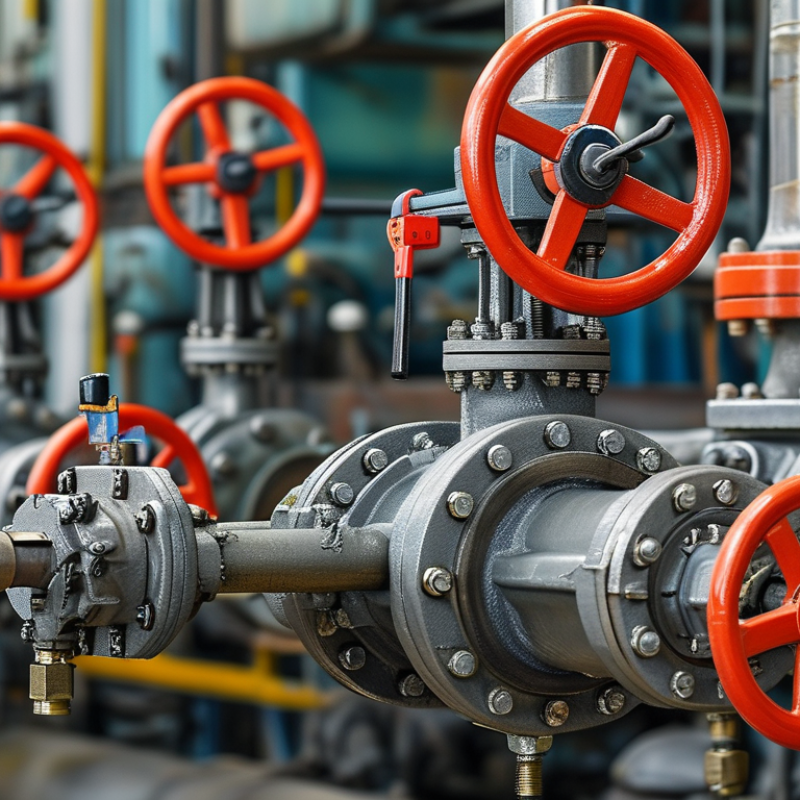
What is a Steam Valve?
A steam valve is a crucial component in various industrial applications. It controls the flow of steam within a boiler system or other steam-driven mechanisms. This control ensures safe and efficient operation. By regulating the pressure, steam valves help maintain optimal conditions for machinery.
Steam valves come in different types, each designed for specific functions. Some are manually operated, while others are automated. Each type has unique features suited for particular environments. For example, a globe valve is often used for precise flow control. However, many users may overlook the maintenance of these valves. Regular checks can prevent leaks and ensure proper functioning.
Understanding steam valves can improve operational safety. However, it's important to remember that not all information is readily available. Sometimes, resources may provide incomplete data. Always seek multiple sources for a clearer picture. The learning process is continuous, and even experts encounter gaps in knowledge.
Types of Steam Valves and Their Applications
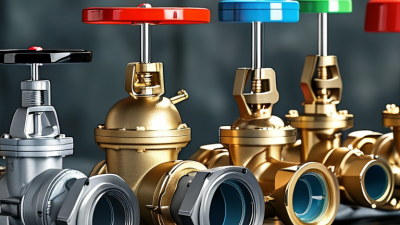
Steam valves play a crucial role in various industrial applications. Different types serve specific functions. For instance, gate valves are commonly used in pipelines to start or stop steam flow. They provide minimal resistance when fully open. However, they are not ideal for regulating flow.
Another type is the globe valve, which excels in regulating steam flow. Its design allows for more precise control. However, it may create significant pressure drops, impacting efficiency. In contrast, safety valves ensure system protection by releasing excess pressure. They are vital for preventing equipment failure and accidents.
Float valves help in maintaining water levels in steam systems. They automatically control water supply to boilers. While effective, they require regular maintenance to prevent malfunctions. Each valve type has its strengths and weaknesses. Understanding these helps in selecting the right valve for your steam system.
What is Steam Valve and How Does It Work? - Types of Steam Valves and Their Applications
| Valve Type |
Function |
Material |
Applications |
Temperature Range (°C) |
| Globe Valve |
Flow regulation |
Cast Iron |
Power plants, Water treatment |
-10 to 220 |
| Gate Valve |
On/off control |
Stainless Steel |
Pipelines, Oil and gas |
-20 to 300 |
| Ball Valve |
Quick shut-off |
Brass |
Chemical processing |
-20 to 150 |
| Check Valve |
Prevent backflow |
PVC |
Water systems, HVAC |
0 to 100 |
| Pressure Relief Valve |
Relieve excess pressure |
Bronze |
Industrial boilers |
-10 to 250 |
The Mechanism of How Steam Valves Operate
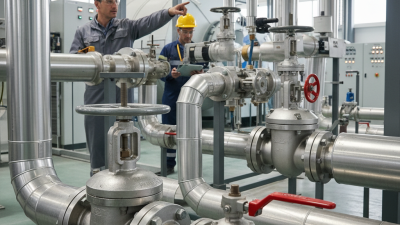
Steam valves are crucial components in various industrial processes, controlling the flow and pressure of steam. Understanding their mechanism helps in optimizing efficiency and safety. These valves regulate steam by opening and closing in response to pressure changes, allowing for precise control in systems such as heating, power generation, and processing.
According to a recent industry report, approximately 20% of steam systems are improperly maintained, leading to efficiency losses. Steam valves often wear over time or become clogged, impacting their ability to function effectively. Regular inspection and maintenance are essential. Experts recommend periodic testing to ensure optimal performance, but many facilities overlook this crucial step.
The operation of steam valves relies on the principles of thermodynamics. When steam pressure increases, it pushes against the valve seat. This pressure must be balanced against a closing force. Valves can operate automatically or manually, depending on the system design. Miscalculation here can lead to catastrophes, emphasizing the importance of understanding these mechanical relationships. The complexities involved remind us that there are always opportunities for improvement in steam management systems.
Key Components of a Steam Valve System
Steam valves are essential for controlling the flow of steam within various systems. A typical steam valve system includes several key components, each playing a unique role. The primary components are the valve body, actuator, and control mechanism. The valve body directs steam flow. The actuator opens or closes the valve based on demand. The control mechanism regulates the system’s pressure and temperature.
In steam systems, the valve body is usually made of robust materials. Stainless steel and brass are common options due to their high resistance to corrosion and thermal stress. Reports indicate that over 70% of steam system issues stem from valve malfunctions or improper sizing. Hence, proper installation and maintenance are crucial.
Here are some tips: Regular inspections can identify wear and tear before it leads to failures. Ensure that the valves are appropriately sized to maintain optimal flow rates. Measurement tools help in monitoring steam pressure and temperature, aiding in proactive management. These steps can enhance efficiency, potentially saving energy costs by up to 15% according to several industry studies. Always consult an expert when upgrading or modifying your steam valve system for optimal performance.
Common Issues and Maintenance for Steam Valves
Steam valves play a crucial role in controlling steam flow in various systems. However, they can face several common issues.
Leaks are one of the most frequent problems. Even a small leak can lead to significant energy loss and safety hazards.
It’s essential to regularly check for any signs of leakage around the valve seals. If found early, repairs can be straightforward.
Another common issue is valve sticking. This occurs due to corrosion or buildup of debris. It can lead to improper functioning.
Using a maintenance schedule that includes regular cleaning and lubrication helps mitigate this risk. Ensure that the surrounding area of the valve remains clean.
A clear path allows for better performance and reduces the chances of sticking.
Poor performance or erratic valve operation can also arise from insufficient maintenance. Regular inspections help identify wear and tear early.
It's important to replace parts that show signs of aging. Taking these steps can ensure optimal functioning.
Though maintenance can seem routine, overlooking it can lead to more severe problems down the line. Investing time in proper care pays off.