Top 10 Butterfly Valve Types for Global Buyers in 2026?
In 2026, the demand for butterfly valves is projected to rise. This increase reflects their vital role in various industries. Butterfly valves are essential for regulating flow in pipes. Their designs offer unique advantages, making them popular among global buyers.
Understanding different butterfly valve types is crucial. Each type serves specific applications and industries. Buyers need to assess factors like size, material, and performance. This decision impacts efficiency and reliability in operations. A well-chosen butterfly valve can enhance system performance.
However, navigating the options can be overwhelming. Buyers may find it challenging to determine the best fit. Miscalculating requirements can lead to poor investment choices. Thus, exploring the top 10 butterfly valve types is necessary for informed decisions. With the right insights, buyers can ensure optimal functionality and long-term satisfaction.
Top 10 Butterfly Valve Types for Global Buyers in 2026
As we approach 2026, the demand for butterfly valves is expected to grow significantly. Research indicates a projected CAGR of around 5.5% in the valve market between 2021 and 2026. This growth is attributed to rising industrial applications and the increasing need for efficient fluid control systems. Global buyers must be aware of the various types of butterfly valves to make informed decisions.
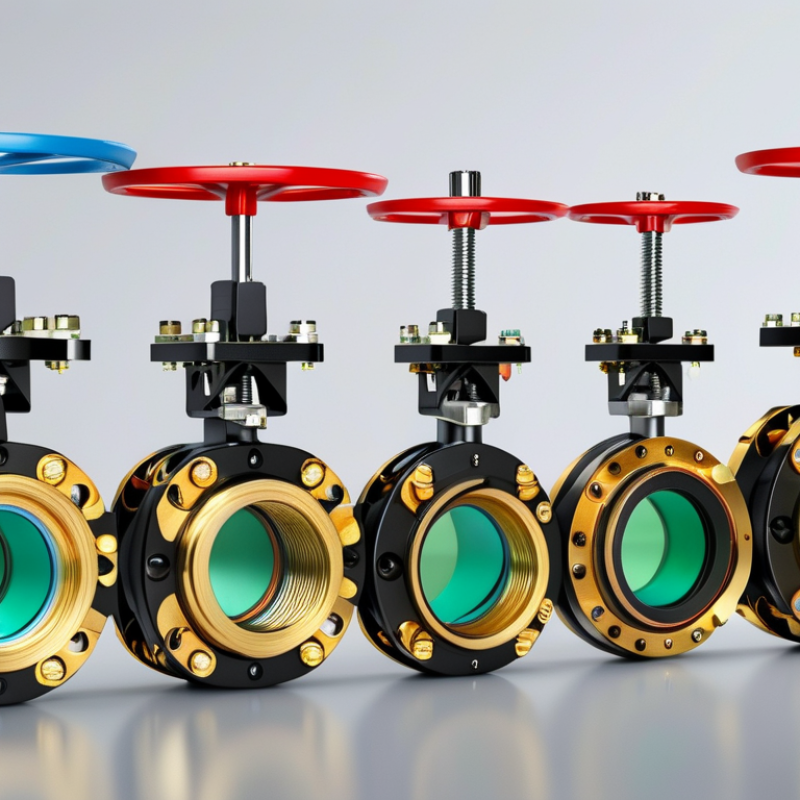
Wafer-style butterfly valves are gaining popularity for their compact design and ease of installation. They are ideal for tight spaces in pipelines. Lug-type butterfly valves offer versatility and can be installed between flanges or used as end-of-line solutions. The use of resilient-seated butterfly valves is also on the rise. These valves are known for their reliability and effective sealing, making them a preferred choice in water treatment applications.
Emerging technologies, like electric actuators, are reshaping how butterfly valves operate. Although these advancements improve efficiency, they also come with challenges. The integration of smart technologies can be complex and requires a trained workforce. Buyers must weigh the benefits against potential setbacks, ensuring they choose the right type for their specific needs.
Overview of Butterfly Valve Applications and Market Trends by 2026
Butterfly valves play a crucial role in various industries, including oil, gas, water management, and HVAC. These valves regulate flow with a rotating disk. As we look towards 2026, the applications and market trends for butterfly valves are evolving. The demand is rising, driven by increased infrastructure development and environmental concerns. More companies are focusing on energy efficiency and robust designs.
When selecting a butterfly valve, consider factors like material and size. Stainless steel valves are popular for their durability. Weighing the environment is also essential. Corrosion resistance and temperature tolerance affect performance over time. Simple maintenance can prolong the life of your valve significantly.
The market is witnessing the emergence of smart valve technologies. These advancements allow for better monitoring and control. There’s a shift towards automation integrated with IoT networks. However, not every company is adapting quickly. Staying updated with market trends is key to remaining competitive. Continuous learning and adaptation will be essential in this evolving landscape.
Detailed Analysis of the Top Butterfly Valve Types: Features and Benefits
When selecting the ideal butterfly valve for your needs, understanding their features and benefits is crucial. The two commonly used types are resilient-seated and metal-seated butterfly valves. Resilient-seated valves have rubber linings that ensure a tight seal. They are excellent for water and wastewater applications. Metal-seated valves are designed for high-temperature and high-pressure scenarios. Their durable construction allows them to withstand harsh environments.
Another vital type is the eccentric butterfly valve. This design offers enhanced sealing capabilities. It minimizes wear over time, making it suitable for low-torque operations. Furthermore, the design helps prevent sediment accumulation, which can degrade valve performance. However, they can be more expensive and may require skilled maintenance.
It's essential to reflect on the operational conditions when choosing a butterfly valve type. Factors such as fluid characteristics, temperature, and pressure significantly influence performance. The wrong choice can lead to increased failures and operational inefficiencies. Thoroughly evaluating options ensures optimal functionality. It can prevent costly downtime, thus improving system reliability.
Comparative Study of Materials Used in Butterfly Valves: Industry Insights
Butterfly valves are critical in many industries. The materials used significantly impact their performance and longevity. Common materials include cast iron, stainless steel, and plastic. Each has unique properties, influencing their suitability for various applications. Cast iron offers durability for large systems, while stainless steel resists corrosion. Plastic valves are lightweight and easy to handle, perfect for smaller projects.
A comparative study of these materials reveals much. Cast iron valves excel in heavy-duty applications but can corrode without proper coatings. Stainless steel is effective in harsh environments but may be cost-prohibitive. Plastic options, while cost-effective, might not withstand extreme temperatures. Buyers need to consider the specific demands of their applications. Material selection plays a vital role in valve efficiency.
Challenges exist in material performance across different conditions. For instance, temperature fluctuations can affect plastic valves, leading to potential failures. Understanding these nuances helps buyers make informed decisions. Lack of clarity in material properties can result in costly mistakes. Evaluating the environment and requirements is key to successful butterfly valve selection.
Projected Growth of Butterfly Valve Market Segments: Data and Predictions
The butterfly valve market is projected to see significant growth by 2026. Key segments are expected to expand due to rising industrial demands. Industries such as oil and gas, water treatment, and pharmaceuticals will lead this growth. Increased automation and infrastructure development are critical factors driving this trend.
Data suggests that the demand for specific valve types, such as resilient seated and high-performance butterfly valves, will rise. Innovations in materials and design will enhance efficiency. However, challenges remain, including fluctuating raw material costs and environmental regulations. These factors necessitate constant adaptation in production methods.
Global buyers must consider these dynamics when making purchasing decisions. Understanding market trends and segment predictions is vital. Collaborative efforts among manufacturers, engineers, and end-users can lead to optimal solutions. Awareness of regional market needs will shape the future landscape of butterfly valves.
Conclusion
The article "Top 10 Butterfly Valve Types for Global Buyers in 2026" provides a comprehensive overview of the butterfly valve market, highlighting its applications and emerging trends anticipated by 2026. It delves into various butterfly valve types, examining their unique features and benefits, which cater to different industrial needs. The discussion extends to the materials used in these valves, offering insights into their performance characteristics and suitability for diverse environments.
Furthermore, the analysis projects the growth of various market segments within the butterfly valve industry, supported by data and predictions on demand and innovation. The article also emphasizes key manufacturers and the latest trends shaping the future of butterfly valves, ensuring that global buyers are well-informed about their options moving forward. Overall, the content serves as a valuable resource for stakeholders looking to make informed decisions in the evolving butterfly valve market.