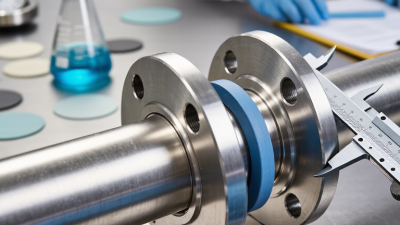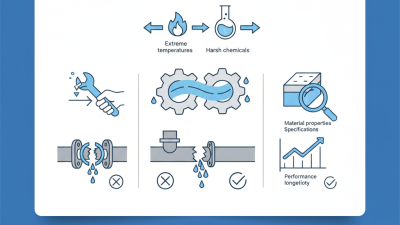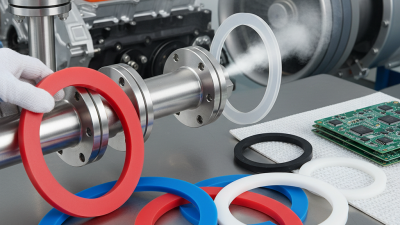
Choosing a Silicone Gasket manufacturer for global supply is more than a price comparison. The right partner should match your material needs, production volume, documentation requirements, and delivery schedule. Small details matter. A gasket that looks clean on a sample may perform differently after heat, compression, or repeated cleaning. Before comparing quotations, confirm the required dimensions, hardness, temperature range, and exposure conditions. Ask how each supplier manages material mixing, molding, curing, inspection, and batch traceability. Relevant test records can help, but check that they cover the exact compound being offered. Paperwork helps. So does testing a physical sample in your own application.
This guide to the 2026 Best Silicone Gasket Manufacturers for Global Buyers focuses on practical checks, not just polished catalogs. It considers product range, quality controls, customization, communication, and export readiness. Buyers should also ask about minimum order quantities, lead times, packaging, and how the supplier handles specification changes. No manufacturer is ideal for every project. A low unit price may come with longer lead times, while a broad catalog does not prove consistent production. One limitation is hard to avoid: public information rarely shows day-to-day quality across every production run. Treat any shortlist as a starting point, then verify claims with samples, clear specifications, and direct questions. That extra work may feel slow, but it can prevent costly mismatches later.
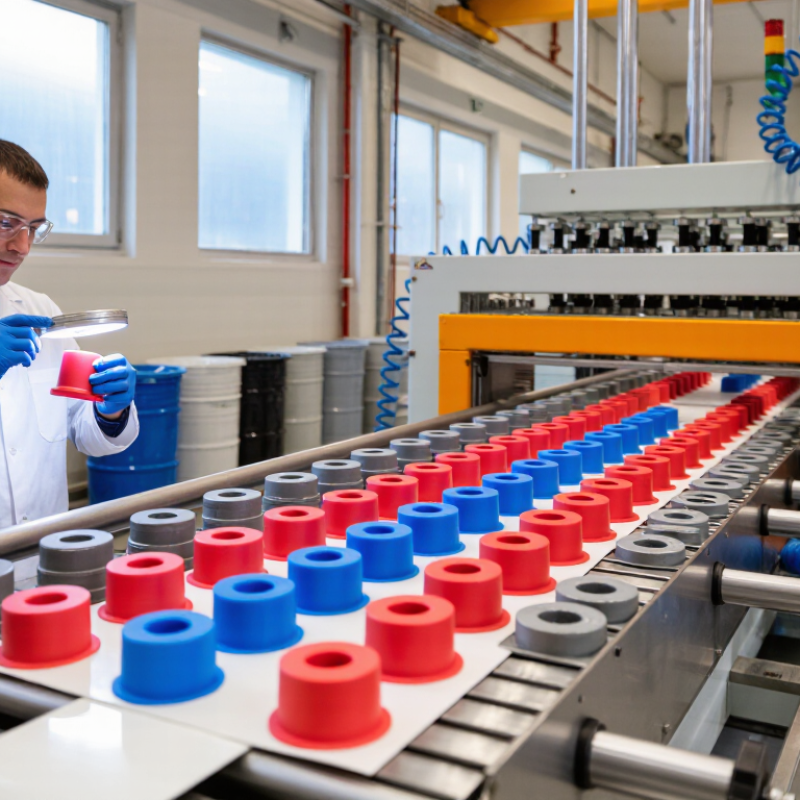
Silicone gaskets come in solid, sponge, and foam forms, each suited to different sealing conditions. Solid silicone is often selected for smooth flange surfaces and steady compression. Sponge and foam versions are lighter and can conform to uneven panels with less closing force.
Small distinction, big effect.
Cell structure and density vary, so two soft-looking sheets may seal quite differently. Silicone remains flexible across a broad temperature range, but the usable limits depend on its formulation and design. It also resists moisture and many weathering conditions, making it useful around outdoor enclosures and equipment covers. Yet silicone is not automatically right for every chemical or high-pressure seal. Check the actual service environment, including contact fluids, compression, and temperature cycling. Compression set matters too: a gasket that stays flattened may lose its sealing force.
Common applications include appliance doors, lighting housings, medical equipment enclosures, and industrial control panels. In a practical fit check, a narrow bead may seal a clean, even joint, while a thicker sponge profile can help accommodate small surface gaps. That is not a substitute for testing. Measure the groove and mating surfaces, then confirm the gasket recovers after compression. A rushed selection can look fine on the bench and still leak after repeated opening or heat exposure.

2026 Best Silicone Gasket Manufacturers for Global Buyers
How to Evaluate Silicone Gasket Manufacturers in 2026
A reliable evaluation starts with the gasket’s actual working conditions. Share the temperature range, compression load, exposure to oils or cleaning agents, and the mating surface details. Silicone formulations can behave differently, so request material data that matches your application. Ask how the manufacturer controls thickness, hardness, and dimensional tolerances. A confident sales reply is useful, but measurable specifications matter more.
Tips: Request a sample cut from the intended production material. Check its dimensions and surface for defects, then ask for relevant test records and batch traceability. Keep your drawing and acceptance criteria in writing.
Look beyond the sample. Ask how production batches are inspected and how changes to materials or tooling are communicated. Compare lead times, minimum order quantities, packaging, and the supplier’s ability to maintain consistent output. Verify that reports identify the tested material and method. If a claim is unclear, ask for evidence rather than assuming it applies to your design. A polished brochure can still leave gaps; even experienced buyers may overlook a small tolerance that causes trouble during assembly.
Use this supplier-evaluation matrix to compare manufacturers. Technical targets are indicative only; confirm suitability against the application, drawing, operating conditions, and applicable regulations.
| Evaluation dimension | What to evaluate | Indicative benchmark or question | Evidence to request |
|---|---|---|---|
| Material suitability | Silicone formulation, cure system, hardness, and compatibility with the media and environment. | Can the supplier recommend a documented grade for the specified temperature, fluid, and exposure conditions? | Material specification, technical data sheet, and compatibility guidance. |
| Temperature capability | Continuous and short-term temperature limits of the proposed compound. | Check that the stated operating range covers the actual service profile; ranges vary by formulation and test conditions. | Grade-specific data and test conditions, not a generic silicone temperature claim. |
| Mechanical properties | Hardness, tensile strength, elongation, and compression set. | Compare values at the specified test method and conditioning; compression set is especially relevant to retained sealing force. | Recent test results, including methods such as ASTM D2240, ASTM D412, or ASTM D395 where applicable. |
| Dimensional capability | Ability to hold drawing tolerances for thickness, profile, holes, and molded features. | Confirm tolerances for the actual geometry and manufacturing process rather than relying on a general capability statement. | Inspection plan, sample measurement report, and agreed drawing revision control. |
| Manufacturing processes | Suitability of compression molding, transfer molding, injection molding, or die-cutting for the part design and volume. | Ask how tooling, flash, joining, and process variation are controlled for the proposed design. | Process flow, tooling plan, first-article inspection, and change-control procedure. |
| Quality management | Documented quality system, traceability, nonconformance handling, and corrective action. | Verify current certification scope and whether it covers the relevant manufacturing site and process. | Valid certificate, quality manual or audit summary, batch traceability example, and corrective-action records. |
| Regulatory and industry requirements | Food-contact, potable-water, medical, automotive, or other requirements relevant to the end use. | Requirements are application- and jurisdiction-specific. For example, FDA 21 CFR 177.2600 concerns rubber articles intended for repeated use; confirm the exact material and conditions of use. | Applicable declarations, test reports, and certification or listing details; verify scope and intended use. |
| Sampling and validation | Prototype support, first-article approval, and testing under representative assembly and service conditions. | Agree acceptance criteria before production and test the gasket in the actual joint design where practical. | Sample plan, validation schedule, test results, and approval records. |
| Capacity and lead time | Available production capacity, tooling lead time, minimum order quantity, and ability to handle demand changes. | Request lead times for samples, tooling, and repeat orders separately, and confirm assumptions in writing. | Capacity plan, quoted lead-time breakdown, and documented escalation or continuity plan. |
| Global logistics and communication | Export experience, packaging, shipping terms, response time, and support across time zones. | Confirm delivery terms, packaging protection, documentation, and the contact path for technical or quality issues. | Sample export documents, packaging specification, and written service and escalation contacts. |
| Total cost and lifecycle value | Part price, tooling, inspection, freight, expected service life, and cost of quality risks. | Compare quotations on the same specification, order quantity, Incoterms, and inspection requirements. | Itemized quotation, tooling ownership terms, and assumptions behind any service-life claims. |
Buyer note: Select a supplier based on documented fit to your requirements, validated samples, and consistent production controls. No single material property or certificate proves suitability for every silicone gasket application.
Leading silicone gasket manufacturers for global buyers should offer more than a standard sheet or molded part. They need to understand the application, including operating temperature, contact media, pressure, and expected service life. A gasket for a food-processing cover may need different material properties from one used in an outdoor electrical enclosure. Clear questions early can prevent costly redesigns later.
Reliable suppliers provide material data, dimensional drawings, sample parts, and test records that buyers can review. Ask how they control hardness, thickness, flash, and batch variation. For repeat orders, request traceability and confirm how tooling changes are approved. A polished catalog is useful, but it does not prove consistent production. Check a sample against the actual mating surfaces.
Tips: Share a drawing and real operating conditions, not only a target price. Confirm tolerances, packaging, lead time, and sample approval in writing. Small details matter. Even a careful checklist can miss something; a trial fit often reveals what the paperwork cannot.
For global buyers, comparing silicone gasket manufacturers starts with process control, not catalog size. Ask how each supplier controls compound batches, curing, trimming, and final dimensions. A clean sample is useful. A repeatable production record is better. Request material certificates, lot traceability, and inspection results for the actual gasket design.
The ISO Survey 2022 recorded 1,265,216 valid ISO 9001 certificates worldwide. This shows the standard’s broad adoption, not that every certified factory makes reliable gaskets. Check the certificate’s scope, issuing body, and manufacturing site. Then compare test evidence: ASTM D395 for compression set, D2240 for hardness, and D412 for tensile properties. Results should identify the material, test conditions, and batch. Otherwise, comparisons can be misleading.
Manufacturing capability matters at the part level. Ask about molding or extrusion capacity, tooling ownership, flash removal, dimensional inspection, and realistic lead times. For a sealing ring, request measurements across several points, not just one nominal diameter. Verify performance against the intended temperature, compression, and contact surface. One weakness in many sourcing comparisons is treating a certificate as proof of product performance. It is not. A gap remains when suppliers share polished samples but little production data.
A buyer-side framework for comparing manufacturer capabilities, quality, and certifications
The chart shows a suggested 100-point procurement weighting, not measured manufacturer results or a market survey. Prioritize application fit, documented material and regulatory evidence, and quality controls; adjust the weights for your industry and end use. Verify certificates and scope directly. For example, ISO 9001 concerns quality management systems, IATF 16949 applies to automotive quality management, and FDA 21 CFR 177.2600 covers certain rubber articles intended for repeated use in food contact; regulatory compliance is not itself a manufacturer certification.
For global buyers, selecting a silicone gasket manufacturer starts with the seal’s actual working conditions. Share the media, temperature range, pressure, and mating-surface details before requesting a quote. A gasket used near hot wash water may need a different formulation from one exposed to outdoor weather. Details matter. Ask for material data, dimensional tolerances, and production capabilities in writing, not only a sales presentation.
Customization can involve more than changing a drawing. Discuss hardness, color, profile, tooling, and expected order volume early. Request a sample made with the proposed material and process, then check its fit on the real assembly. A polished sample can still mislead. Test compression recovery and inspect edges for tears or uneven flash. Record the test conditions; results without temperature and duration are hard to compare.
Supplier verification should be practical and repeatable. Review quality procedures, batch identification, inspection records, and how nonconforming parts are handled. For overseas shipments, confirm packaging, lead times, and who reports delays. Request traceable documents for the specific material and production lot. Not always. Paperwork may look complete while a critical detail remains unclear, so ask direct follow-up questions and keep approved specifications under revision control. A factory visit or independent inspection can add useful evidence, though neither replaces ongoing checks on delivered parts.