What is Silicone Gasket and How is it Used?
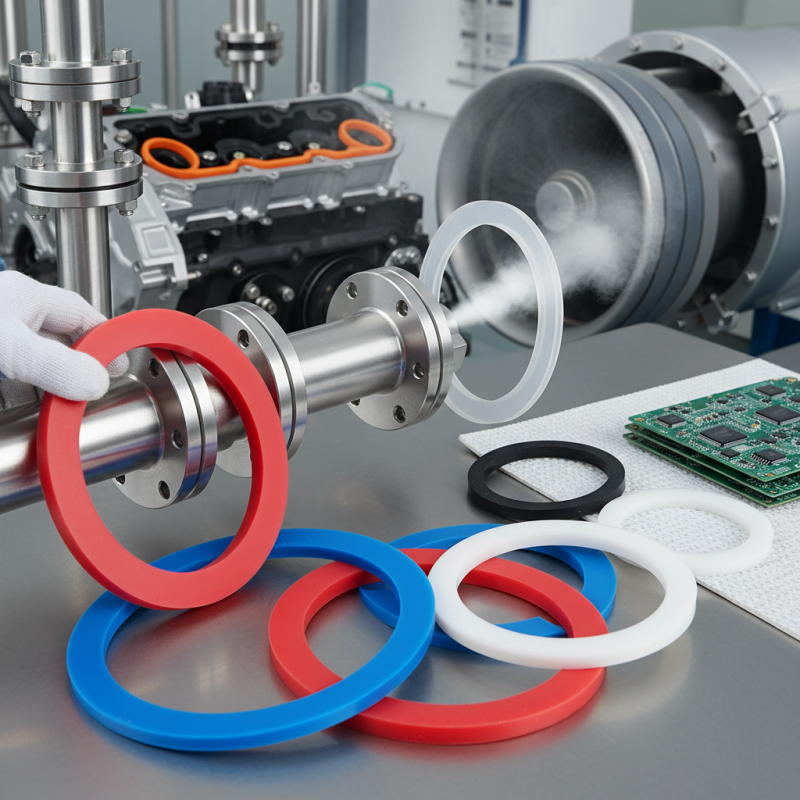
Silicone gaskets are essential components in various industries, known for their durability and high resistance to temperature extremes. According to a recent industry report, the global silicone gasket market is expected to reach $2 billion by 2025, driven by growing demand in automotive, aerospace, and electronics sectors. These gaskets provide effective sealing solutions that prevent leaks and contamination, showcasing their importance in maintaining product integrity.
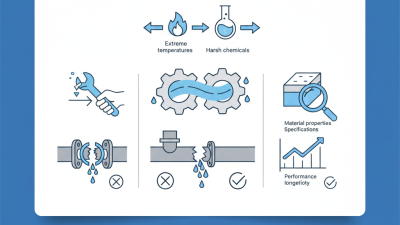
The versatility of silicone gaskets lies in their ability to withstand harsh environmental conditions. They maintain performance under temperatures ranging from -80°F to 500°F. This resilience makes them suitable for applications in demanding environments, such as chemical processing and pharmaceuticals. However, selecting the right type of silicone gasket can be challenging. Factors such as physical properties and compatibility with different media must be considered carefully.
Despite their advantages, users often face issues like aging and degradation over time. Regular assessments are necessary to ensure optimal performance. Understanding the specific needs of your application can significantly impact the longevity and effectiveness of silicone gaskets. As industries evolve, continued research and development are crucial for addressing these challenges and enhancing gasket reliability.
What is a Silicone Gasket?
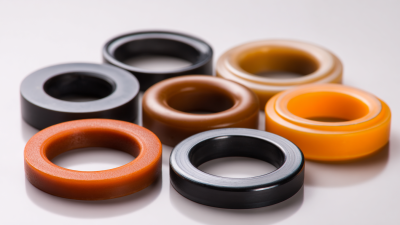
Silicone gaskets are essential components in various applications. They are made from
silicone rubber, which is known for its
flexibility and resilience. The primary role of a silicone gasket is to provide a
tight seal. This prevents the leakage of fluids or gases between two surfaces.
Silicone material can withstand extreme temperatures, making it ideal for automotive
or industrial use.
In addition to their sealing properties, silicone gaskets can be used in electrical enclosures.
Their resistance to moisture and dust improves reliability in electronics. These gaskets can also resist
ozone, UV light, and different chemicals. This versatility is crucial for ensuring longevity and
performance in diverse settings. However, not all silicone gaskets are created equal. Factors like
thickness and hardness can change the effectiveness of the seal.
Installation and maintenance are key aspects to consider. Even high-quality gaskets can fail if not
properly installed. Regular checks for signs of wear can
prevent bigger issues down the line. Choosing the right silicone gasket for your specific needs
requires careful thought. It’s important to assess the operating conditions and intended use.
This consideration helps in avoiding potential failures and ensures optimal performance.
Key Characteristics of Silicone Gaskets
Silicone gaskets are a vital component in sealing applications. Their key characteristics make them a preferred choice in various industries. One notable property is their excellent temperature resistance. They can endure extreme heat and cold without losing their sealing ability. This makes them suitable for automotive and aerospace applications, where temperature fluctuations are common.
Another important characteristic is flexibility. Silicone gaskets easily conform to irregular surfaces. This ensures a tight seal, preventing leaks in systems under pressure. Additionally, silicone resists chemicals and weathering. This durability guarantees a longer lifespan, reducing the need for frequent replacements.
While silicone gaskets offer many benefits, they are not infallible. Poor installation can lead to leaks, compromising their effectiveness. Regular inspections are essential to ensure they maintain their sealing properties. Understanding these factors can help in making informed decisions when selecting gaskets for specific applications.
Key Characteristics of Silicone Gaskets
Common Applications of Silicone Gaskets
Silicone gaskets are essential components in various industries due to their unique properties. These gaskets provide excellent sealing capabilities, particularly in high-temperature applications. Research shows that silicone gaskets can withstand temperatures ranging from -60°C to 250°C. This versatility makes them ideal for applications in automotive, aerospace, and electronics.
In the automotive sector, silicone gaskets are commonly used in engine assemblies and temperature-sensitive components. Their resistance to extreme heat and chemicals allows for reliable performance in harsh environments. A study indicated that over 70% of automotive manufacturers prefer silicone for sealing applications due to its durability and longevity.
Additionally, the aerospace industry utilizes silicone gaskets for their lightweight and effective sealing properties, ensuring safety and reliability in aircraft.
Silicone gaskets also play a crucial role in household appliances. They provide moisture resistance in ovens and refrigerators, contributing to efficient energy use. However, the improper selection of a gasket material may lead to failures. An estimated 15% of gasket-related issues stem from material choice, emphasizing the need for expertise in application selection. Overall, silicone gaskets are a key player across multiple industries, but their successful implementation requires careful consideration of specific needs and conditions.
Installation Process for Silicone Gaskets
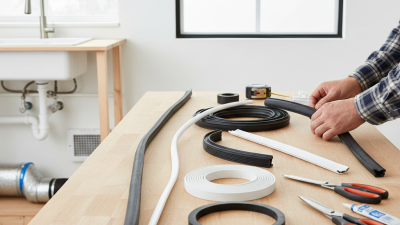
Installing silicone gaskets requires careful preparation and attention to detail. Begin by ensuring that the surfaces are clean and free from debris. Contaminants can lead to poor adhesion and affect the gasket's performance. Research shows that improper surface preparation can reduce the effectiveness of silicone gaskets by up to 30%.
Once surfaces are ready, it's crucial to apply the silicone gasket material evenly. This ensures a proper seal is formed, preventing leaks and failures. Many professionals recommend using a caulking gun for precision. Avoid applying too much pressure, as this might cause excessive material to extrude.
After application, allow the gasket to cure as per manufacturer guidelines. Timing varies, but a common recommendation is 24 hours for optimal seal integrity. Data indicates that gaskets that cure too quickly or improperly can lead to a 50% decrease in lifespan. Regular checks post-installation can ensure longevity. Yet, over time, environmental factors may compromise the seal, necessitating future inspections and replacements.
What is Silicone Gasket and How is it Used? - Installation Process for Silicone Gaskets
| Feature |
Description |
Common Uses |
| Material |
Made from silicone rubber, known for its flexibility and resilience. |
Used in automotive, plumbing, and electrical applications. |
| Temperature Resistance |
Can withstand temperatures ranging from -50°C to +200°C (−58°F to 392°F). |
Ideal for sealing in high-temperature environments. |
| Chemical Resistance |
Resistant to many chemicals, including oils and solvents. |
Widely used in chemical processing industries. |
| Installation |
Typically requires cleaning surfaces and applying adhesive if needed. |
Used in various assembly processes where a reliable seal is crucial. |
| Longevity |
Durable and maintains its properties over time under stress. |
Ensures long-term performance in applications. |
Maintenance and Care for Silicone Gaskets
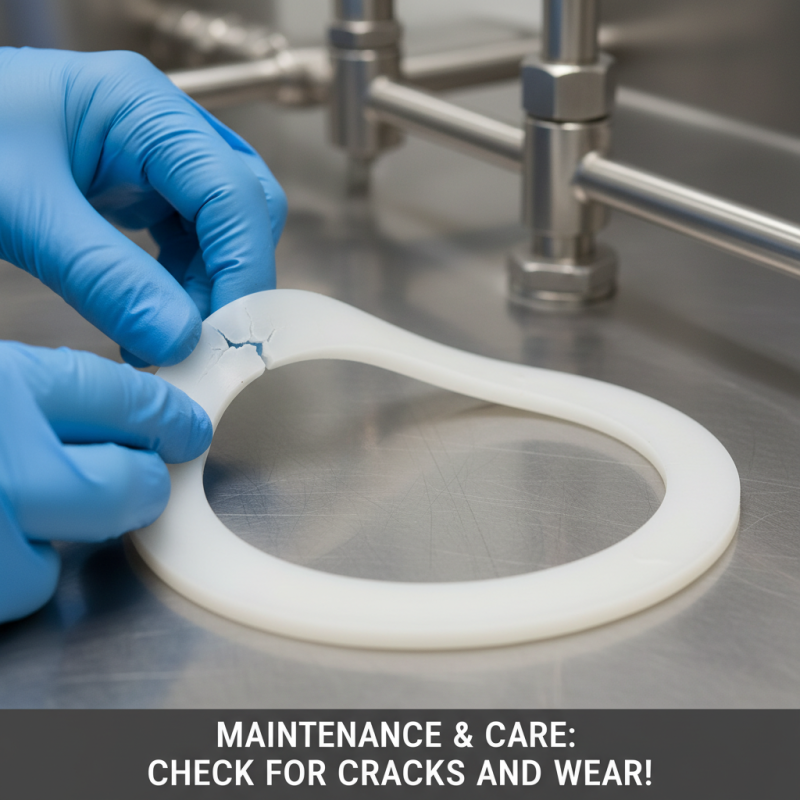
Silicone gaskets are widely used for sealing in various applications. However, their longevity depends on proper maintenance and care. Regular inspection is crucial. Check for cracks, wear, or an overall degradation of the rubber. A worn gasket can lead to leaks, compromising the integrity of the equipment.
Cleaning silicone gaskets is simple but important. Use mild soap and water, avoiding harsh chemicals that might damage the material. Gently scrub the surface with a soft cloth. Ensure the gasket is completely dry before reinstallation. This step helps prevent mold and mildew, which can develop in damp conditions.
Proper storage also extends the life of silicone gaskets. Store them in a cool, dry place, away from direct sunlight. Over time, exposure to heat and UV light can lead to deterioration. Reflecting on these practices can help ensure optimal performance. Evaluate your maintenance routine regularly to identify areas for improvement.