How to Choose the Best Vulcanized Rubber for Your Needs?
Choosing the right vulcanized rubber can be a complex task. The vulcanization process enhances the durability and elasticity of rubber. This versatility makes it essential in various industries, including automotive and construction. According to a report by MarketsandMarkets, the global vulcanized rubber market is projected to reach $48 billion by 2026. Such growth highlights its critical role in modern applications.
Dr. Emily Hart, a leading expert in polymer science, emphasizes, “Selecting the right vulcanized rubber can make or break your project.” Her insight sheds light on the importance of understanding different rubber types and their properties. Specialized formulations can enhance resistance to heat, chemicals, or abrasion.
However, finding the best vulcanized rubber isn’t straightforward. With numerous options and specifications, businesses may feel overwhelmed. It’s crucial to evaluate your unique needs before making a decision. Also, mistakes in selection can lead to increased costs or subpar performance. Reflecting on past choices can lead to better outcomes in future projects.

Understanding Vulcanized Rubber: Definition and Composition
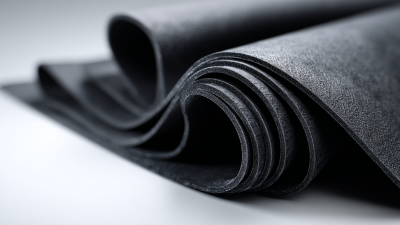
Vulcanized rubber is a crucial material in many industries. It is created through a chemical process that strengthens natural or synthetic rubber. This process involves heating rubber with sulfur, which leads to cross-linking of polymer chains. The result is a more durable and elastic product.
Understanding the composition of vulcanized rubber helps in selecting the right type for specific applications. Typically, it consists of rubber polymers, fillers, accelerators, and curing agents. The choice of these components can affect the rubber's hardness, temperature resistance, and overall performance. Consider how different formulations impact the final product.
Many users overlook the importance of quality control during production. Poorly vulcanized rubber can lead to early wear, affecting performance and safety. Evaluating the manufacturing process can provide insights into reliability. Is the rubber sourced responsibly? Does the producer follow strict standards? These questions are vital for making informed decisions.
Understanding Different Types of Vulcanized Rubber
This chart presents a comparison of different types of vulcanized rubber, showing their properties scores on a scale from 1 to 10. Natural Rubber has the highest score, indicating its superior properties compared to SBR, EPDM, Neoprene, and Nitrile.
Key Properties of Vulcanized Rubber: Flexibility, Durability, and Heat Resistance
When selecting vulcanized rubber, three key properties stand out:
flexibility,
durability,
and heat resistance.
Flexibility allows the material to bend without breaking. This is crucial for applications like seals and gaskets. If the rubber is too stiff, it fails to create an effective seal. Consider how rubber will move in your specific application. It must accommodate various forces.
Durability is another essential trait.
Vulcanized rubber can withstand wear and tear over time. This makes it suitable for tires, industrial equipment, and more. However, not all vulcanized rubber performs equally. Factors like environmental exposure and mechanical stress can significantly impact longevity.
Regularly assess the material's condition to prevent unexpected failures.
Heat resistance is vital for applications in high-temperature environments. Excessive heat can degrade rubber, leading to faster wear. Depending on your needs, select a vulcanized rubber designed to endure specific temperature ranges. Remember to explore the balance between flexibility, durability, and heat resistance based on your unique requirements.
Understanding these properties enables better decision-making for your projects.
Applications of Vulcanized Rubber in Various Industries: An Overview
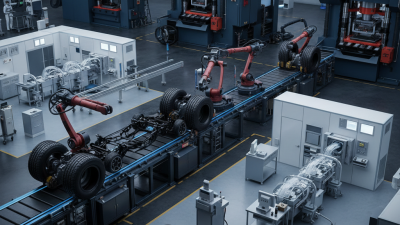
Vulcanized rubber is a versatile material used across multiple industries. It enhances durability and elasticity, making it ideal for various applications. In the automotive sector, vulcanized rubber is integral for tires, seals, and hoses. The unique properties of vulcanized rubber allow it to endure extreme conditions. High temperatures, heavy loads, and exposure to oils are common challenges.
In construction, this rubber is often found in flooring materials and insulation. Its ability to withstand harsh environments makes it a reliable choice. Electrical industries also leverage vulcanized rubber for insulation and protective coverings. In these settings, safety is paramount, and proper selection is critical.
However, not all vulcanized rubber is the same. Different formulations and grades exist. Choosing the right type requires an understanding of specific needs and conditions. Consider factors like temperature ranges and chemical exposure. This will prevent future issues and ensure sustainability. It's vital to consult experts or reliable sources when making these selections. The right choice can lead to significant long-term savings and improved safety.
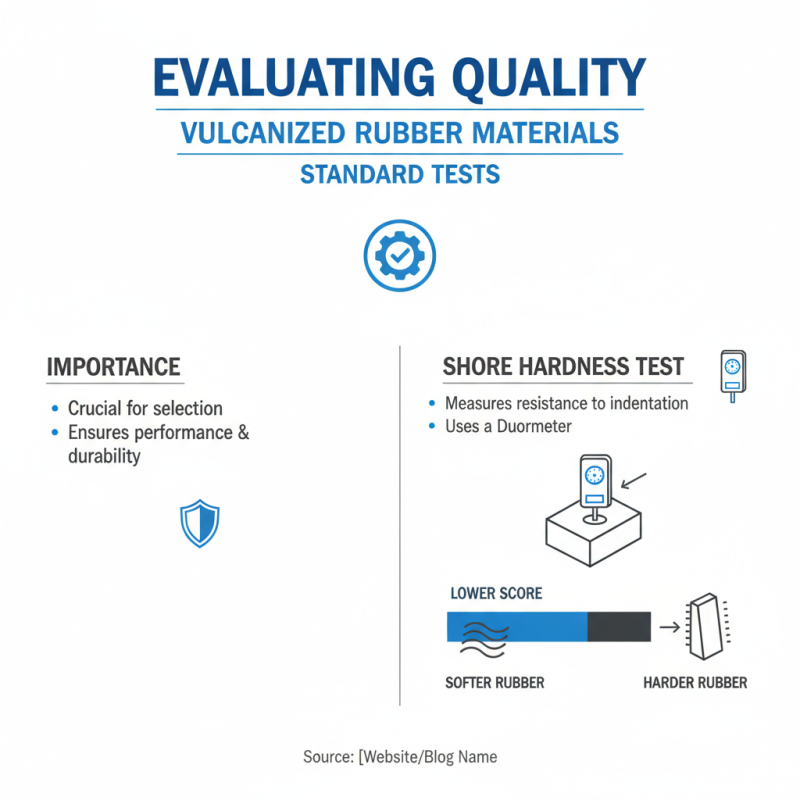
Evaluating Quality: Standard Tests for Vulcanized Rubber Materials
When selecting vulcanized rubber, evaluating its quality is crucial. One standard test is the Shore hardness test. This measures the material's resistance to indentation. It uses a durometer to assess how hard or soft the rubber is. Higher scores indicate harder rubber, while lower scores show softness.
Another essential test is tensile strength. This measures how much force the rubber can withstand before breaking. During this test, a sample is pulled until it fails. The results reveal how suitable the rubber is for various applications. Additionally, the elongation at break test helps in understanding flexibility and stretchability.
Visual inspection shouldn't be overlooked either. Check for any surface flaws, bubbles, or inconsistencies. These can impact performance. It's common to overlook minor defects, yet they may affect the material’s durability. Always consider environmental factors too. Conditions like heat or chemicals can degrade rubber over time. Understanding these tests and factors can guide you in selecting the right vulcanized rubber for your needs.
Sourcing the Right Vulcanized Rubber: Assessing Suppliers and Options
When sourcing vulcanized rubber, assessing suppliers is crucial. Look for manufacturers with a solid track record. Experience in the industry matters. New suppliers may lack the expertise needed for your specific requirements. Verify their credentials and seek feedback from previous clients. This can reveal a lot about their reliability and quality.
Consider the type of vulcanized rubber you need. Different applications require varying properties, such as flexibility or durability. A supplier that specializes in your industry may offer advantages. However, it’s essential to understand that not all specialized suppliers will meet your expectations. Investigate their production processes and raw materials, as these directly influence product quality.
When evaluating options, don’t overlook the importance of sampling. Request samples to assess quality firsthand. Sometimes, what looks good on paper doesn’t translate to actual performance. This step can save you from costly mistakes. Also, be open to exploring different suppliers. A diverse approach can enhance your options. Remember, the best fit might not always be the most obvious choice.
How to Choose the Best Vulcanized Rubber for Your Needs?
| Property |
Description |
Applications |
Supplier Assessment |
| Hardness (Shore A) |
Indicates the hardness level of the rubber. |
Used in various applications from footwear to industrial parts. |
Check for reliable hardness testing methods. |
| Tensile Strength |
Resistance to being pulled apart. |
Key in applications requiring high durability. |
Review material certificates from suppliers. |
| Elasticity |
Ability to return to original shape after deformation. |
Ideal for automotive and mechanical seals. |
Assess supplier's test reports for elasticity. |
| Chemical Resistance |
Ability to withstand various chemicals. |
Used in environments with exposure to oils and solvents. |
Investigate supplier's compatibility charts. |
| Temperature Range |
Operational temperature limits of the rubber. |
Critical for applications in extreme conditions. |
Confirm with the supplier regarding temperature performance. |