The demand for resilient seated butterfly valves is rapidly increasing in various industries. These valves are known for their reliability and efficiency. For companies in China, becoming a top supplier requires not just excellent products but also adherence to industry standards.
Leading suppliers prioritize quality and innovation. They ensure that their resilient seated butterfly valves meet rigorous performance criteria. However, it is crucial to address potential shortcomings, such as durability in extreme conditions. This is where expertise plays a vital role. Expertise can significantly influence the reliability of valve performance.
Moreover, understanding market needs is essential for suppliers. Insights into customer preferences can guide product development. As the market evolves, suppliers must be willing to adapt. This openness to change is what sets the best apart from the rest.
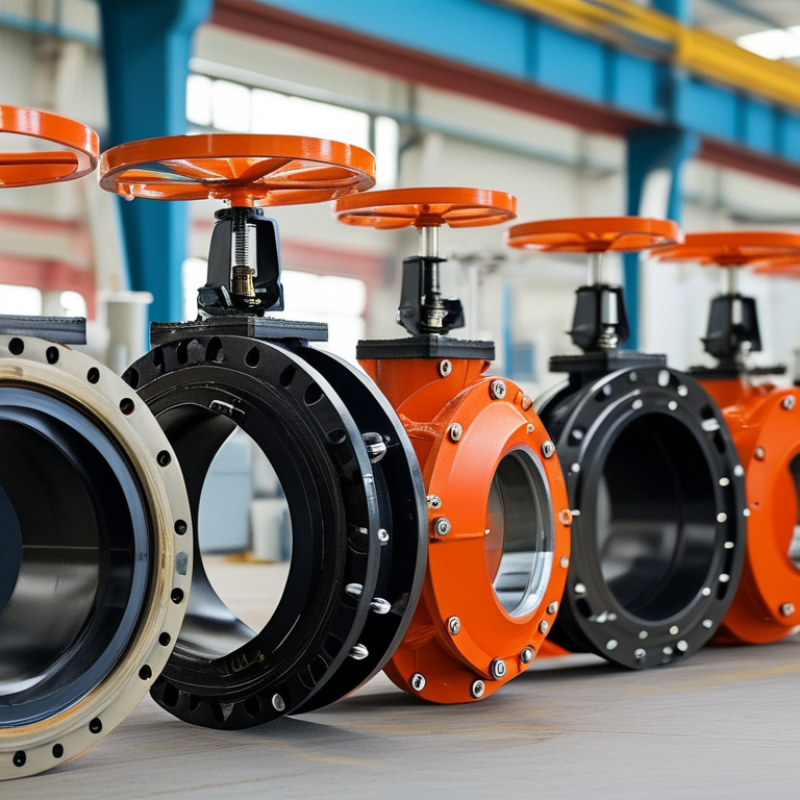
Resilient seated butterfly valves are gaining attention in China for various industrial applications. These valves are known for their ability to provide reliable sealing and efficient flow control. They are commonly used in water treatment, chemical processing, and HVAC systems. The design features a disc that rotates to open or close the valve, allowing for smooth and effective operation.
In recent years, the demand for these valves has risen due to their durability and cost-effectiveness. Manufacturers in China focus on high-quality materials and innovative designs to enhance performance. Many suppliers invest in advanced technology to improve production processes, aiming for better consistency and quality control. However, not all products meet the same standards, raising concerns about reliability.
It is essential for buyers to conduct thorough assessments of suppliers. Some manufacturers may lack transparency in their production methods. This could lead to varying levels of quality in the final products. Understanding these aspects can help in making informed decisions. Ultimately, selecting the right supplier is crucial for ensuring operational efficiency and minimizing downtime.
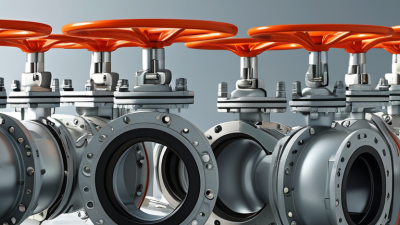
The demand for resilient seated butterfly valves in China has seen significant growth. According to industry reports, the market size for these valves reached approximately USD 1.5 billion in 2022. Projections indicate a compound annual growth rate (CAGR) of around 5% over the next five years. This growth is driven by various sectors, including water management, chemical processing, and HVAC systems.
Leading suppliers have established a strong presence in this competitive landscape. The top three suppliers collectively account for over 40% of the market share. Their success can be attributed to continuous innovation and a focus on quality control. Most of these companies have robust manufacturing capabilities, with many investing heavily in automation. However, some suppliers struggle with sustainability efforts and sourcing environmentally friendly materials.
End-user feedback emphasizes the need for improved customer service. Many clients report delays in delivery times, which can impact project timelines. While product quality is paramount, suppliers must also address these logistical challenges to enhance customer satisfaction. Balancing quality, reliability, and service remains a critical focus for these suppliers as the market evolves.
When selecting butterfly valves, compliance with technical specifications is crucial. These valves play a significant role in various industrial applications. Understanding their key features ensures efficient performance. Most butterfly valves adhere to specific standards, such as ANSI, API, and ISO. Materials often include stainless steel, cast iron, and PVC, chosen for their durability and resistance to corrosion.
The design of a butterfly valve includes essential components, such as the disc, shaft, and seat. The disc controls the flow by rotating a quarter turn. This simple yet effective mechanism allows for minimal pressure loss. The seat is vital for ensuring a tight seal, preventing leaks. Proper maintenance and regular inspections are necessary to ensure longevity.
However, not all manufacturers meet the required standards. Some may cut corners, leading to potential failures. It's important to research suppliers thoroughly. Look for certifications and customer feedback. Trustworthiness is essential. A reliable valve can significantly impact overall system efficiency and cost savings.
| Supplier Type | Model | Size Range | Pressure Rating | Material | Standard Compliance |
|---|---|---|---|---|---|
| Supplier A | BA-100 | DN50-DN1200 | PN10-PN25 | Ductile Iron | API 609 |
| Supplier B | BB-200 | DN80-DN1500 | PN16-PN40 | Stainless Steel | ASME B16.34 |
| Supplier C | BC-300 | DN100-DN2000 | PN10-PN50 | Carbon Steel | ISO 5211 |
The dynamics of supply chains in China have significantly impacted the manufacturing of seated butterfly valves. This sector has recently faced pressures from fluctuating raw material costs. According to a recent report by the China Valve Association, the average price of key materials has increased by 15% over the past year. Such volatility creates challenges for manufacturers who must balance quality with cost efficiency.
Furthermore, global supply chain disruptions have affected delivery timelines. Analysis shows that 40% of Chinese valve suppliers reported delays in obtaining necessary components. These delays not only impact production schedules but also strain relationships with end-users. Manufacturers are increasingly seeking alternative raw material sources to mitigate risks. However, the quality of these alternatives remains a concern, leading to potential compromises in product reliability.
Despite these challenges, some manufacturers are adapting by implementing advanced technologies. Automation in production lines has shown to improve efficiency by as much as 25%, according to industry reports. However, the transition to automation requires significant investment and expertise, which not all companies possess. It raises questions about the long-term sustainability of such rapid changes in an already volatile environment.
The Chinese butterfly valve industry is undergoing significant transformations, influenced by technological advancements and evolving market demands. The push for sustainable manufacturing practices is reshaping the production landscape. Companies are investing in environmentally-friendly materials and efficient processes. This shift not only addresses ecological concerns but also attracts conscientious consumers.
In addition to sustainability, automation is becoming crucial. More manufacturers are integrating smart technologies into their products. IoT-enabled butterfly valves offer real-time monitoring, enhancing operational efficiency. Yet, there are challenges. Many firms must adapt to this fast-paced tech environment. Not all suppliers can keep up with the changes, leading to a disparity in product quality.
The future appears promising, yet uncertain. While the demand for resilient seated butterfly valves rises, competition is fierce. Some suppliers may struggle to meet the rigorous standards expected by clients. The industry must find a balance between innovation and reliability. Continuous adaptation will be the key to thriving in this dynamic marketplace.