Why Choose a Resilient Seated Butterfly Valve for Your Needs?
When considering fluid control systems, the choice of valves is critical. Among various options, the Resilient Seated Butterfly Valve emerges as a popular choice. This type of valve boasts several advantages that can significantly enhance system performance. Its design ensures a tight seal, reducing leaks and maintaining efficiency.
The Resilient Seated Butterfly Valve offers durability and reliability. Its rubber seat cushions provide flexibility under pressure changes. This feature is essential in dynamic systems where fluctuations occur frequently. Users often appreciate the valve's lightweight design, making installation and maintenance easier. Yet, some may overlook potential drawbacks, such as wear over time with harsh fluids.
Understanding your specific needs is vital. Factors like media type, pressure, and temperature influence your choice. While the Resilient Seated Butterfly Valve excels in many applications, it may not suit every situation. Reflecting on these aspects ensures a well-informed decision, tailored to your operational demands.
Understanding Resilient Seated Butterfly Valves: Key Features and Benefits
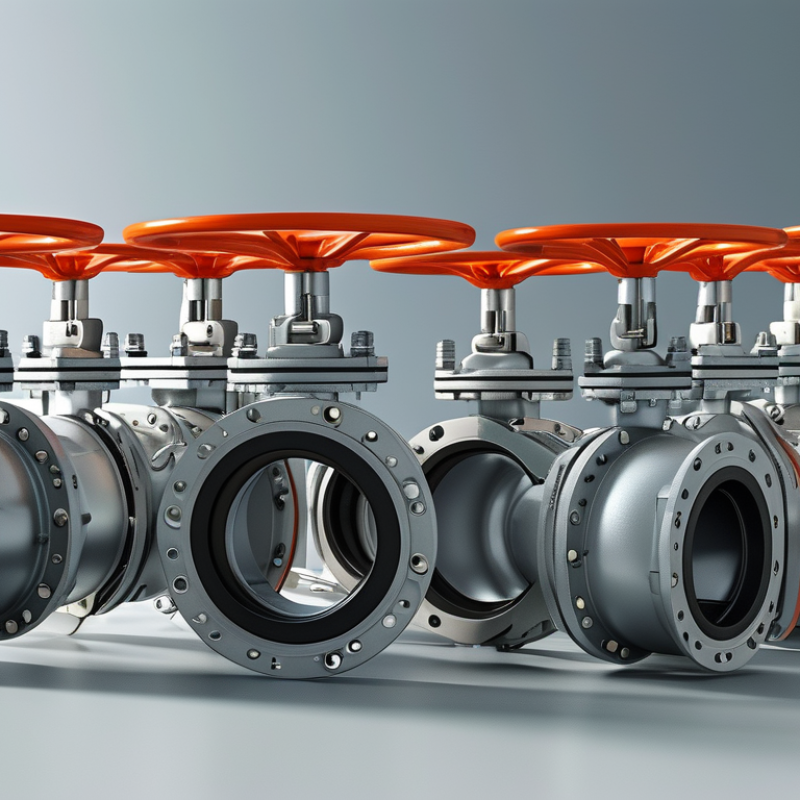
Resilient seated butterfly valves are essential in many applications. They offer key features that enhance performance in fluid control systems. One notable aspect is the soft seat material. This design ensures a tight seal, preventing leaks and minimizing downtime. Additionally, these valves are lightweight, which simplifies installation and maintenance tasks.
One major benefit of resilient seated butterfly valves is their versatility. They can handle a variety of media, including water, gases, and chemicals. This adaptability makes them suitable for many industries, from water treatment to manufacturing. However, users must consider the specific needs of their systems. Sometimes, the soft seat might not withstand extreme conditions, leading to potential issues.
Durability is another important factor. These valves often exceed expectations in regular operations, but they can wear out under harsh conditions. Regular inspections are necessary to ensure functionality. The combination of low maintenance needs and high performance makes resilient seated butterfly valves a reliable choice for many applications. Making an informed decision will ultimately benefit your operation.
Key Features and Benefits of Resilient Seated Butterfly Valves
Comparative Analysis: Resilient Seated vs. Conventional Butterfly Valves
When choosing between resilient seated butterfly valves and conventional options, several factors play a crucial role. Resilient seated valves use elastomeric materials to create a reliable seal. This sealing mechanism ensures minimal leakage, often achieving rates as low as 0.01% leakage at full pressure. Conversely, conventional butterfly valves may have higher leakage rates, especially when worn.
Installation and maintenance are significant considerations. Resilient seated valves tend to be lighter and easier to install. Their design often requires less space, facilitating easier access within tight confines. This can reduce installation time and overall labor costs. Additionally, rebound effects from fluid pressure are less pronounced, leading to longer valve life.
**Tip:** Consider the operating environment when selecting a valve. In corrosive or fluctuating temperature conditions, resilient seated valves often outperform conventional designs.
However, it’s important to note that resilient seated butterfly valves may not be as durable in extreme conditions. For applications subjected to excessive wear or high-temperature extremes, conventional options might fare better. Always assess the specific requirements of your application before making a decision.
**Tip:** Regular inspections are essential. Monitoring for wear and seal integrity can prolong the valve’s lifespan and maintain system efficiency.
Industry Applications: Where Resilient Seated Butterfly Valves Excel
Resilient seated butterfly valves are becoming a popular choice across various industries. Their construction makes them ideal for handling fluids in systems where durability is essential. These valves excel in sectors such as water treatment, chemical processing, and HVAC systems. They offer superior sealing capabilities, reducing the risk of leaks and failures.
In water treatment facilities, resilient seated butterfly valves effectively manage flow control. Their ability to operate under varying pressures and temperatures makes them versatile. Operators appreciate their lightweight design, simplifying installation and maintenance tasks. This type of valve can withstand harsh conditions, ensuring reliable operation for years.
Tips: Consider the environment when selecting a valve. Specific materials can enhance performance under different conditions. Additionally, assess the size and flow requirements of your system to ensure optimal functionality. Regular inspections help identify wear and tear early, preventing costly downtimes.
In the chemical processing industry, these valves stand out. They handle aggressive fluids without compromising safety. Their design minimizes turbulence, leading to improved energy efficiency in pumping systems. Choosing the right butterfly valve can significantly impact operational effectiveness.
Performance Metrics: Durability and Pressure Ratings in Resilient Valves
When selecting a resilient seated butterfly valve, understanding its performance metrics is crucial. Durability is often the defining feature of these valves. According to a recent industry report, resilient butterfly valves can withstand pressures ranging from 150 to 300 psi. This robustness ensures they perform well in demanding environments.
Pressure ratings are critical as well. A valve rated for higher pressures is more versatile. This adaptability can significantly impact maintenance costs and operational efficiency. Studies indicate that facilities utilizing high-pressure resilient valves see a 20% reduction in downtime. Yet, not all resilient valves are built equal. Some may fail to meet industry standards, leading to potential safety hazards.
Monitoring valve performance over time is essential. According to the American Petroleum Institute, valve failure can result in substantial unplanned production losses. Factors such as wear and environmental conditions often go unaccounted for. Choosing the right valve involves understanding these metrics and their implications. An adequately assessed selection process can ensure reliability and longevity in your operations.
Why Choose a Resilient Seated Butterfly Valve for Your Needs?
| Feature |
Metric |
Standard Value |
High-End Value |
| Durability |
Cycles before Failure |
1,000,000 Cycles |
5,000,000 Cycles |
| Pressure Rating |
Working Pressure |
150 psi |
300 psi |
| Temperature Range |
Operating Temperature |
-4°F to 140°F |
-20°F to 200°F |
| Leakage Rate |
Max Leakage |
< 1% of Flow Rate |
< 0.5% of Flow Rate |
| Materials |
Body Material |
Cast Iron |
Stainless Steel |
Cost-Effectiveness: Long-Term Savings with Resilient Seated Solutions
Choosing a resilient seated butterfly valve can significantly impact your operations. One primary reason is cost-effectiveness. These valves boast a long lifespan, reducing the need for frequent replacements. They outperform traditional options in terms of durability, ensuring fewer repairs over time. This durability translates into substantial financial savings for businesses.
Moreover, resilient seated butterfly valves excel in performance across various applications. Their design minimizes leakage, which prevents costly losses in resources. With the right installation, these valves can operate efficiently under various conditions. However, installation quality can sometimes be overlooked, leading to potential issues. Maintenance practices should also be reviewed regularly to avoid unexpected failures.
In summary, while resilient seated butterfly valves offer numerous benefits, their effectiveness relies on proper installation and upkeep. It’s essential to weigh the initial investment against long-term savings. Engaging with knowledgeable professionals can help ensure you're making the most cost-effective choice for your needs.