Top Gaskets And Seals Suppliers for Global Buyers?
The global gaskets and seals market is witnessing significant growth, driven by advancements across various industries. According to a recent report by MarketsandMarkets, the market size is projected to reach USD 72.75 billion by 2025, with a compound annual growth rate (CAGR) of 5.5%. This growth underscores the importance of selecting reliable suppliers to meet diverse industrial needs.
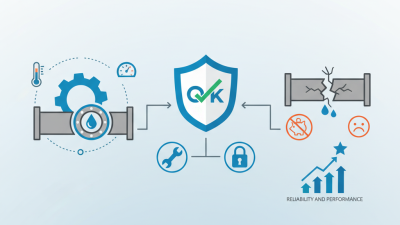
Gaskets and seals play a critical role in maintaining equipment efficiency and preventing leaks. They are essential in industries such as automotive, aerospace, and manufacturing. A recent survey revealed that 40% of equipment failures are due to seal and gasket issues. This statistic highlights the need for quality in material selection and supplier expertise.
When sourcing gaskets and seals, buyers should consider factors like material standards and supplier reliability. Some suppliers might claim to meet industry certifications, but actual performance can vary. A deep dive into supplier capabilities ensures that the chosen gaskets and seals meet specific requirements for durability and application. Investing time in supplier assessment is crucial, as it can significantly impact operational efficiency and product longevity.
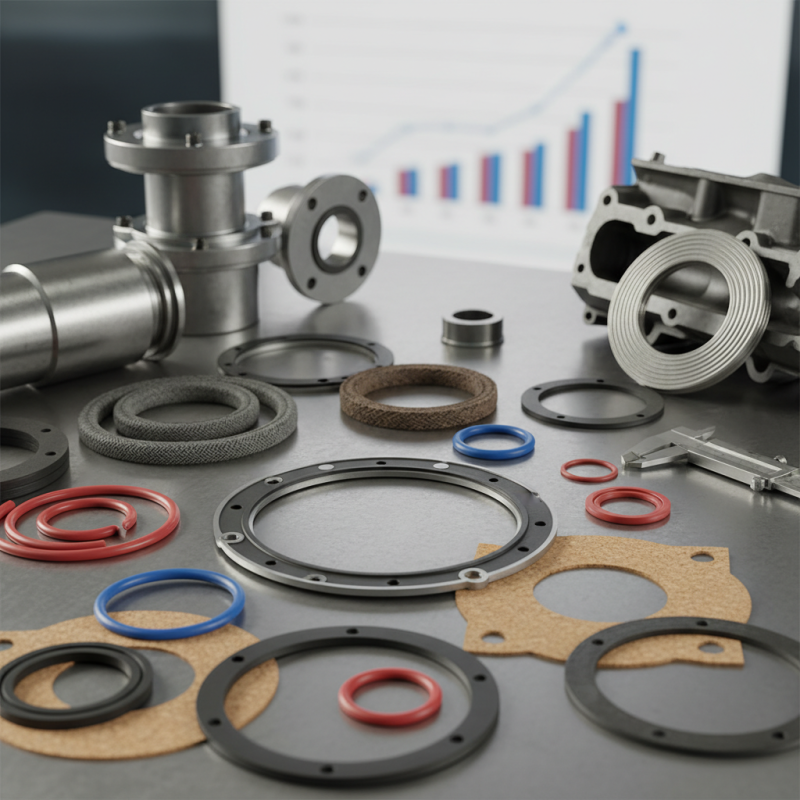
Overview of Gaskets and Seals in Global Industries
The gaskets and seals industry plays a critical role in various sectors, including automotive, manufacturing, and aerospace. In 2022, the global gasket market was valued at approximately $21 billion, driven by increasing demand for efficient sealing solutions. As industries expand, manufacturers face challenges in meeting diverse requirements, such as temperature resistance and chemical compatibility.
Gaskets and seals must perform reliably under harsh conditions. For example, the oil and gas sector requires materials that can withstand extreme pressures and high temperatures. Reports indicate that failing seals can cause significant downtime, impacting production efficiency. Furthermore, environmental regulations are pushing for innovative materials that minimize leaks and emissions, highlighting the need for ongoing research and development.
However, not all suppliers meet the rigorous standards needed for critical applications. Quality inconsistencies can lead to failures, causing financial losses. Buyers must weigh these factors carefully when selecting suppliers and materials. The industry must also focus on sustainability practices amidst growing environmental concerns, reflecting a shift towards eco-friendly materials and manufacturing processes. Balancing quality, performance, and sustainability will be essential for future growth in the gaskets and seals market.
Top Gaskets And Seals Suppliers for Global Buyers
| Type of Gasket/Seal |
Material |
Common Applications |
Industry |
Region of Supply |
| Spiral Wound Gaskets |
Graphite and Metal |
Pipelines, Pressure Vessels |
Oil & Gas |
Worldwide |
| Rubber Seals |
NBR, EPDM, Silicone |
Automotive, HVAC Systems |
Automotive |
North America, Europe |
| O-Rings |
Rubber, PTFE |
Hydraulic Systems, Appliances |
Industrial, Manufacturing |
Asia, Europe |
| Composite Gaskets |
Fiber and Elastomer |
Flanges, Compressors |
Petrochemical |
Global |
| Metal Gaskets |
Stainless Steel, Inconel |
High-Pressure Environments |
Aerospace |
North America, Asia |
Key Factors to Consider When Selecting Gasket and Seal Suppliers
When selecting gasket and seal suppliers, several key factors come into play. Reliability significantly influences the supply chain. According to industry reports, nearly 70% of companies experienced delays due to unreliable suppliers last year. It’s vital to assess a supplier’s track record in meeting deadlines. Review their delivery timelines and customer feedback. A consistent history indicates reliability.
Material quality is also paramount. Approximately 60% of gasket failures arise from substandard materials. This can lead to increased operational costs and safety risks. Suppliers should provide detailed information on material certifications. It’s crucial to ensure they meet industry standards. Additionally, manufacturers must be transparent about their production processes. This leads to better trust and longevity in partnerships.
Furthermore, pricing plays a significant role, but it should not be the sole deciding factor. Some suppliers offer low upfront costs but compromise on quality. Conduct a thorough cost-benefit analysis. The most cost-effective solution may not always be the cheapest option. Evaluating suppliers based on overall value helps in making informed decisions. Choosing the right gasket and seal supplier is a strategic investment in operational excellence.
Top Global Gasket Manufacturers and Their Product Offerings
When considering gaskets and seals, global buyers should focus on leading manufacturers. These companies typically offer a range of products made from different materials. Common materials used include rubber, silicone, and metal. The diversity of options ensures that buyers can find suitable solutions for various applications.
Choosing the right gasket can prevent leaks and system failures. Each product must meet specific industry standards. It's essential to check the manufacturer's certifications. Buyers should prioritize suppliers with a solid track record. Quality is key, especially in critical applications.
Tip: Always request sample products before making large purchases. It helps assess the material quality firsthand.
Another aspect to consider is customization. Many manufacturers provide bespoke solutions tailored to unique requirements. This flexibility can enhance performance in complicated circumstances. However, custom options may increase lead times. It's crucial to weigh the benefits against any potential delays.
Tip: Clearly communicate your specifications when seeking custom gaskets. This clarity can prevent misunderstandings and ensure a better outcome.
Innovations in Gasket and Seal Technology: Market Leaders
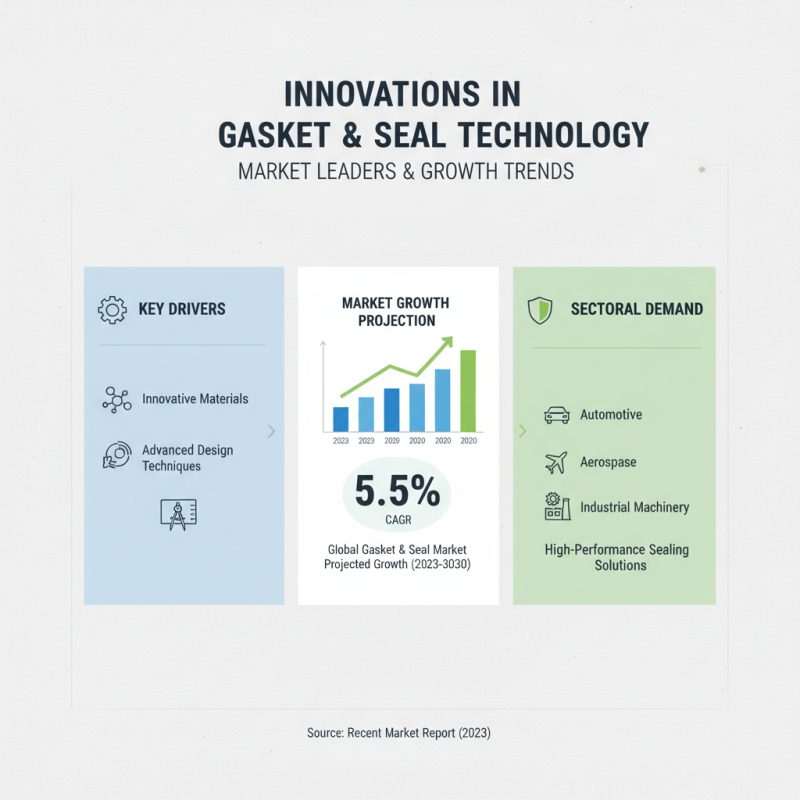
The gasket and seal industry is experiencing significant advancements. Innovative materials and design techniques are driving efficiency and durability in products. According to a recent market report, the global gasket and seal market is projected to grow at a CAGR of 5.5% from 2023 to 2030. This growth reflects the increasing demand for high-performance sealing solutions across various sectors.
Eco-friendly materials are gaining traction in the industry. Manufacturers are developing biodegradable gaskets made from plant-based polymers. These materials are not only sustainable but also ensure reliable sealing under extreme conditions. In fact, a survey indicated that over 30% of buyers are now prioritizing environmentally friendly products. However, the adoption of new materials often comes with challenges. Industries face issues in standardizing these innovative products for widespread use.
Advanced technology is also reshaping the sector. Automating production processes can enhance precision and reduce waste. Implementing these technologies can be expensive. Many companies find it challenging to justify the initial investment. As technology continues to evolve, the landscape may change further, necessitating constant adaptation from suppliers. Buyers must stay informed about these shifts to make educated purchasing decisions.
Market Trends and Growth Opportunities for Gasket Suppliers
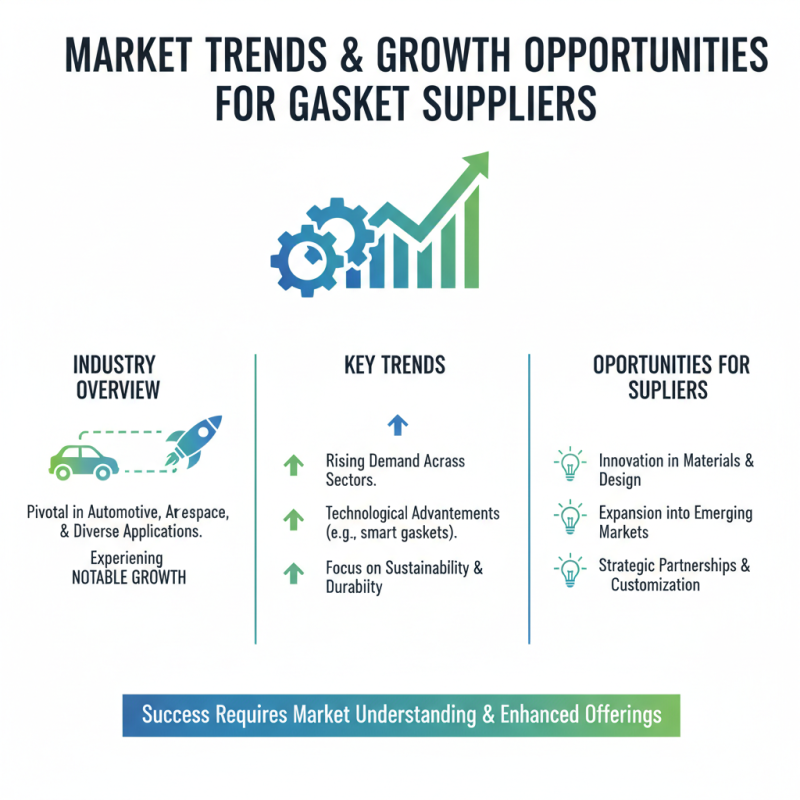
The gasket and seal industry is experiencing notable growth. This sector is pivotal in various applications, from automotive to aerospace. With rising demand, suppliers face both challenges and opportunities. Understanding market trends is crucial for manufacturers aiming to enhance their offerings.
Many buyers seek providers that emphasize sustainability. Eco-friendly materials and processes are gaining traction. Suppliers embracing these practices stand to attract environmentally-conscious clients. Additionally, the integration of technology is reshaping production methods. Automation and digital tools enhance efficiency and precision.
Tips: Focus on innovation. Regularly assess materials to ensure they meet evolving standards. Engage in continuous research to stay ahead of market demands. Diversifying product lines is another way to capture market share.
Competition is intensifying. Suppliers must consistently evaluate their pricing strategies. While lower prices attract customers, quality cannot be compromised. Building strong relationships with clients is equally important. It fosters loyalty and enhances word-of-mouth referrals, crucial for long-term success.