Who Are the Top Center Line Valve Manufacturers in China?
China’s valve industry includes manufacturers with different strengths, from high-volume production to engineered solutions for demanding process systems. Identifying the top Center Line Valve manufacturers requires more than comparing catalog prices or factory claims. Buyers should examine product range, manufacturing capability, quality controls, delivery records, and technical support. These details matter.
A center-line butterfly valve may look simple on a drawing, yet seat materials, disc finish, shaft design, and machining tolerances can affect sealing and service life. Ask suppliers for current data sheets, inspection records, material traceability, and relevant test documentation. Where applicable, verify stated certifications with the issuing organization. A polished website is not proof of consistent production.
This guide introduces Chinese manufacturers and the factors that help distinguish them, including application experience, customization options, export support, and communication quality. It also encourages readers to compare like with like: valve size, pressure rating, body material, operating conditions, and required testing. A supplier’s suitability depends on the actual project, not its position in a generic ranking. Information can change, and public profiles do not reveal every factory limitation. That is worth remembering. Use the overview as a starting point, then confirm specifications and capabilities directly with shortlisted manufacturers before making a purchasing decision.
What Is a Center Line Valve and Where Is It Used?
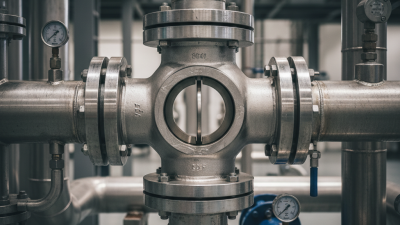
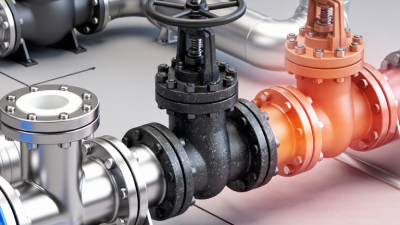
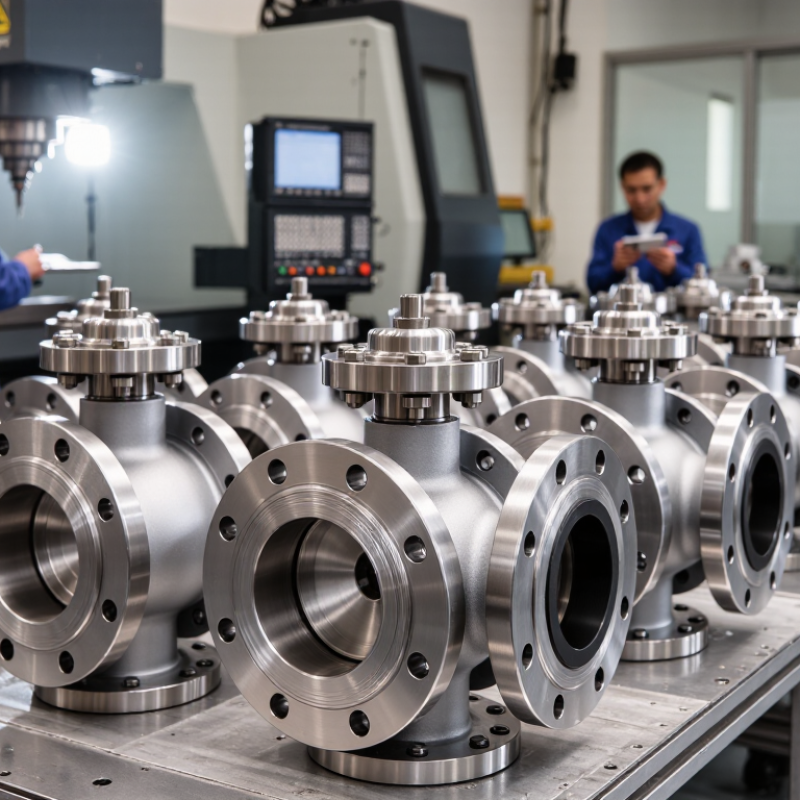
A center line valve is usually a resilient-seated butterfly valve. Its disc rotates around a shaft positioned through the disc’s center, while the valve body fits between pipe flanges. A quarter-turn moves the disc from open to closed. Simple to operate. The compact body can save space and weight compared with some larger isolation valves. However, the term is not perfectly uniform across supplier catalogs, so engineers should check drawings, seat materials, pressure ratings, and connection details before specifying one.
These valves commonly isolate or regulate flow in water treatment, wastewater, building services, and selected industrial lines. UNESCO’s 2024 United Nations World Water Development Report estimates that agriculture accounts for about 70% of global freshwater withdrawals. That figure is not a valve-market statistic, but it highlights the scale of water infrastructure where dependable flow control matters. In practice, a maintenance team may use a center line valve to shut off a pipe section before servicing a pump or filter. Selection still depends on the fluid, temperature, pressure, solids, and required leakage performance. A soft seat may suit many water duties, yet abrasive particles or frequent cycling can shorten service life. The design is useful, not universal.
How Is China’s Center Line Valve Manufacturing Industry Structured?
China’s center-line valve industry is a layered manufacturing network, not a single production base. Small workshops supply castings, shafts, seats, and seals; specialist plants machine and assemble valves; larger manufacturers add testing, engineering, and export services. Zhejiang and Jiangsu are important manufacturing regions, while other industrial provinces serve energy, water, and chemical projects. The boundaries are not always clear: some suppliers make complete valves, while others focus on only a few components.
Trade data helps show the industry’s reach, though not its precise center-line valve output. UN Comtrade’s 2023 records for HS 8481, a broad category covering taps, cocks, and valves, put China’s exports at roughly US$13 billion. The category includes many products beyond butterfly valves, so it should not be read as a center-line valve figure. Scale matters. But the product mix matters more.
The global context is substantial. MarketsandMarkets estimated the industrial valves market at US$79.4 billion in 2023; this figure covers many valve types and regions. For Chinese producers, competition often turns on tight disc-to-seat clearances, consistent coating thickness, and documented pressure tests. A valve can look sound on the bench and still fail after repeated cycling. That gap deserves more attention. Export-oriented factories may offer traceability and customized testing, while smaller suppliers can be flexible on dimensions and delivery. Buyers should compare test records, materials, and service support—not just unit price.
Which Chinese Manufacturers Specialize in Center Line Valves?
Chinese manufacturers specializing in center line valves typically focus on concentric butterfly valves for water, HVAC, and general industrial service. Their products commonly use a centered disc and shaft, with an elastomer seat that seals against the disc. Buyers should look beyond catalog photos. Ask about body materials, seat options, pressure ratings, and the fluids each valve is designed to handle. Details matter.
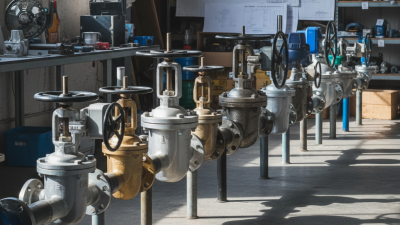
A capable supplier should explain how it controls disc alignment, seat fit, and machining tolerances. These details affect operating torque and leakage, especially after repeated cycles. Request pressure-test records and material documentation for the specific model, not just a general company profile. A factory visit or live inspection can reveal practical differences, such as machining marks, assembly cleanliness, and whether test equipment is calibrated. Not always. A polished brochure is not proof of consistent production. Some product pages also leave important limits unclear, so buyers may need to confirm temperature ranges and installation requirements directly. That takes evidence.
What Factors Help Buyers Evaluate a Center Line Valve Manufacturer?
When evaluating a center line valve manufacturer, look beyond price and catalog claims. Ask how the body, disc, stem, and seat are selected for your pressure, temperature, and media. Request drawings, material records, and inspection reports for the exact valve configuration. A sample report should identify measurable checks, such as dimensions, leakage results, and coating thickness. Details matter.
Review production capability, not just advertised capacity. A factory visit or live video walkthrough can show machining, assembly, and testing areas. Ask how the manufacturer controls tolerances and handles a failed test. Clear answers are useful; vague promises are not. A polished brochure is not proof, and even a strong factory may have gaps worth discussing.
Tips: Send the same specifications to each supplier. Compare written responses, test procedures, delivery estimates, and warranty terms. Ask for references from buyers with similar service conditions. Check whether spare parts and technical support are realistically available after delivery. One small detail can be missed. Recheck it.
A Standards-Based Check for Evaluating Center Line Valve Manufacturers
A supplier’s ability to document pressure testing is one practical part of buyer evaluation. API 598 specifies shell-test pressure at 1.5× the maximum allowable pressure rating at 100°F and high-pressure closure-test pressure at 1.1× that rating. These are test benchmarks—not manufacturer rankings.
When comparing suppliers, ask for applicable test procedures and records, material traceability, design-standard compliance, and clear confirmation that the test basis matches the valve’s rating and service. Confirm requirements against the applicable edition of API 598 and the valve’s product specification.