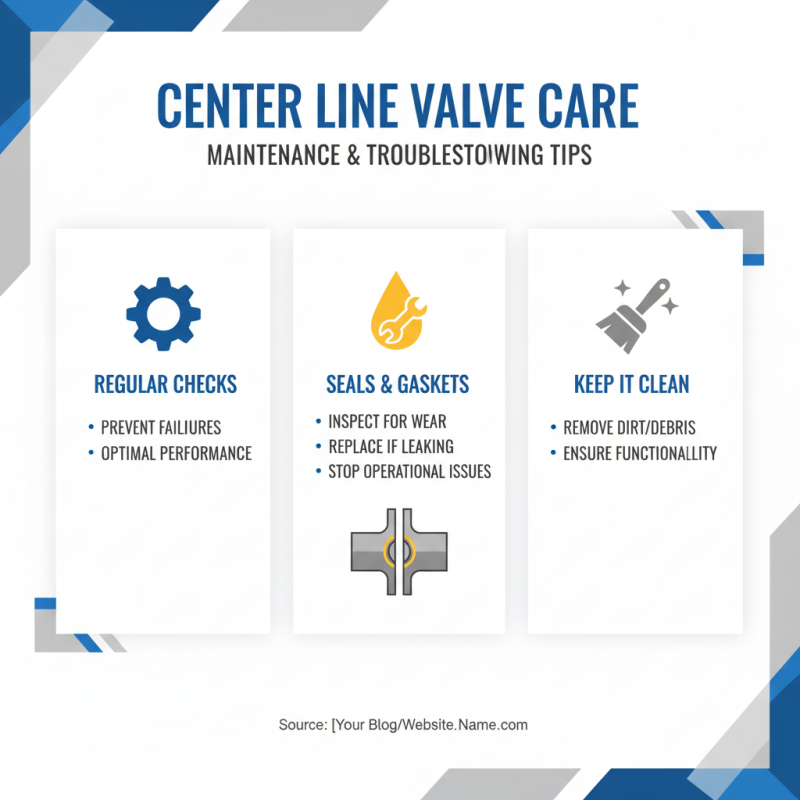
Top Center Line Valve Types for Your Industrial Needs?
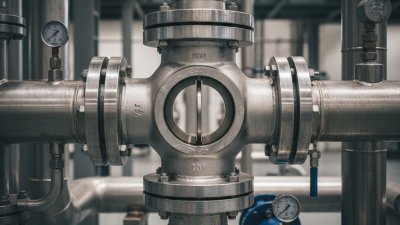
When it comes to industrial applications, the choice of valves can significantly impact efficiency and safety. Among these, the Center Line Valve stands out for its unique design and function. This valve type is commonly used in pipelines and is known for its reliable performance in various environments.
Understanding the different types of Center Line Valves is crucial for optimal industrial operation. These valves come in various materials, sizes, and configurations. Each type serves specific applications, and knowing their features helps in making informed decisions. Proper selection can prevent leaks and system failures, which are costly and dangerous.
However, not all Center Line Valves are created equal. Factors such as pressure ratings and material compatibility need careful consideration. Ignoring these details can lead to inefficient operations. Therefore, it’s essential to consult with experts and review trusted industrial resources before making a choice. This approach ensures that the selected valve meets both immediate needs and long-term goals.
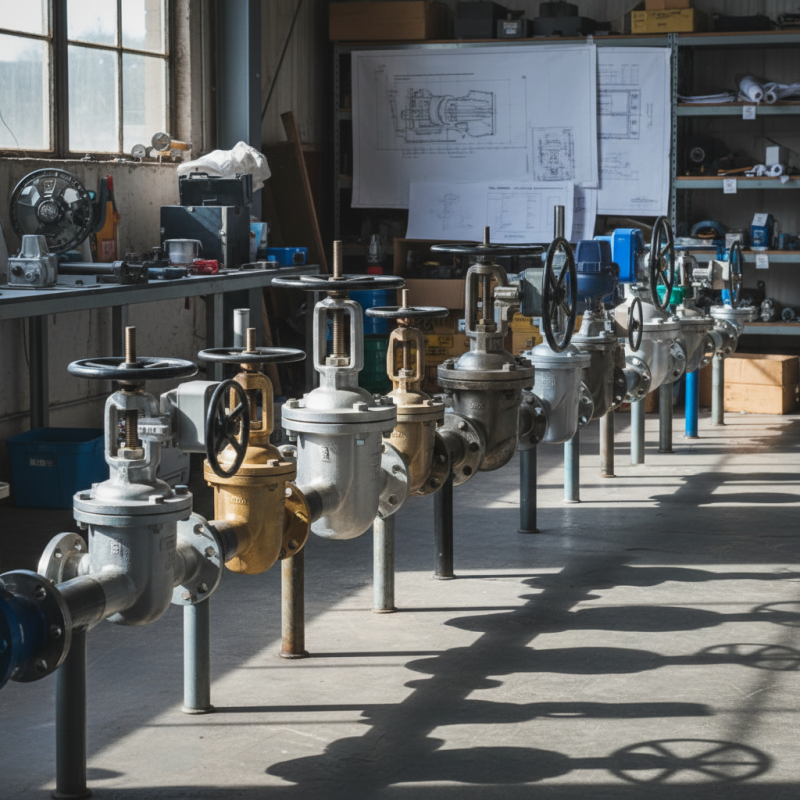
Overview of Top Center Line Valve Types in Industrial Applications
Center line valves play a crucial role in various industrial settings. They provide critical control over the flow of fluids. Their design ensures minimal dead space, which aids in efficient flow management. For example, a report by the Flow Control Industry predicts a steady increase in the use of these valves, driven by the need for precision in sectors like oil and gas.
In applications such as chemical processing and wastewater management, center line valves offer advantages in maintenance and reliability. They often endure high pressure and temperature variations, demonstrating durability under challenging conditions. According to industry data, over 30% of operational problems stem from valve failures. This highlights the importance of selecting the right valve type to avoid downtime.
Furthermore, center line valves are known for their ease of installation. However, improper sizing can lead to performance issues. Engineers must consider flow rates and system pressure when choosing valve types. Recent studies indicate that nearly 25% of industrial systems are not optimized for valve performance. This prompts a need for continual evaluation and adjustment to ensure operational efficiency.
Common Materials Used in Center Line Valve Construction
Center line valves are critical in various industrial applications. The choice of materials in their construction significantly affects their performance and durability. Common materials include stainless steel, cast iron, and plastic. Stainless steel is popular due to its excellent resistance to corrosion. Industry research indicates that it accounts for nearly 40% of all valve materials used worldwide.
Cast iron is also widely used. It offers good wear resistance and is suitable for high-pressure systems. However, it is less corrosion-resistant compared to stainless steel. According to a recent market analysis, cast iron valves represent about 25% of the market. This highlights a gap in certain applications, where improved corrosion resistance is crucial. Plastic valves provide lightweight solutions for less demanding conditions. They cover around 15% of the market but are limited to lower-pressure applications.
The selection of materials impacts maintenance and lifespan. For example, stainless steel valves may have a higher upfront cost but often lead to lower maintenance over time. A report from the Valve Manufacturers Association noted that improper material selection can increase operational costs by as much as 20%. This illustrates the need for careful consideration in the selection process, rather than a one-size-fits-all approach.
Top Center Line Valve Types for Your Industrial Needs
Benefits of Choosing Center Line Valves for Industrial Needs
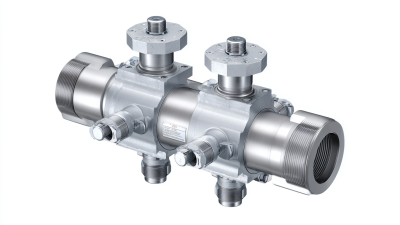
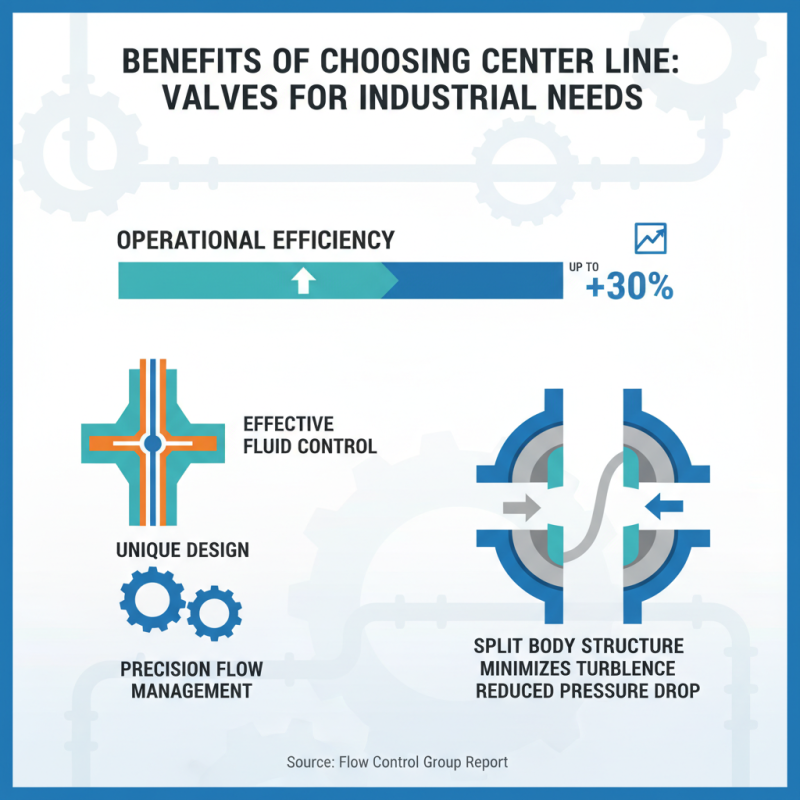
Center line valves are essential in various industrial applications. They provide a unique design that allows for effective fluid control. These valves often feature a split body structure, which minimizes turbulence and pressure drop. A recent report by the Flow Control Group indicates that these valves can improve operational efficiency by up to 30%. This is crucial for industries relying on precise flow management.
One significant benefit of center line valves is their easy maintenance. Their design allows for quick access to internal components, reducing downtime. According to studies, maintenance costs can be reduced by up to 25% with this technology. Furthermore, they offer excellent sealing capabilities. This minimizes leakage, contributing to sustainability efforts within industrial operations.
Choosing center line valves also enhances safety. They operate effectively under high pressure and temperatures without compromising integrity. However, some designs may require careful selection based on specific applications. Industrial leaders sometimes overlook this aspect, leading to potential inefficiencies. It’s essential to critically assess these options to ensure optimal performance in demanding environments.
Considerations for Selecting the Right Center Line Valve
When selecting the right center line valve for industrial applications, several considerations come into play. Material selection is crucial. The valve must endure specific pressures and temperatures while resisting corrosion. According to industry data, over 40% of valve failures occur due to improper material choice. Therefore, know the operating environment well.
Another factor is the valve size and flow characteristics. Understanding the flow rate is vital. Flow should match the system requirements to prevent inefficiencies. A report indicated that improper sizing can lead to a 25% increase in operational costs. This inefficiency emphasizes the need for careful assessment.
Additionally, maintenance accessibility cannot be overlooked. A well-designed valve should allow for easy servicing without extensive system downtime. Research indicates that nearly 30% of maintenance time is wasted due to hard-to-reach components. Addressing these gaps can significantly enhance productivity. These considerations are essential for optimizing valve selection and overall system performance.
Top Center Line Valve Types for Your Industrial Needs
| Valve Type |
Material |
Size Range |
Pressure Rating |
Applications |
| Ball Valve |
Stainless Steel |
1" to 12" |
150 PSI to 3000 PSI |
Oil & Gas, Water Treatment |
| Butterfly Valve |
Cast Iron |
2" to 48" |
100 PSI to 150 PSI |
HVAC, Water Supply |
| Gate Valve |
Forged Steel |
2" to 24" |
150 PSI to 600 PSI |
Water, Slurry |
| Globe Valve |
Brass |
1" to 10" |
125 PSI to 1500 PSI |
Steam, Fuel Oil |
| Check Valve |
PVC |
0.5" to 8" |
50 PSI to 200 PSI |
Chemical Processing, Water Systems |