How to Choose the Best Rubber Material for Your Needs?
Selecting the right rubber material is crucial for various applications. Expert James Anderson, a noted authority in rubber technology, once stated, “Understanding your specific needs is the foundation of choosing the ideal rubber material.” His insight underscores the significance of tailored solutions in the industry.
The rubber material you choose can impact durability, flexibility, and performance. Each application demands specific properties from rubber. For example, automotive components require heat resistance, while medical devices need biocompatibility. The right choice ensures efficiency and longevity in real-world applications.
Navigating the diverse options may feel overwhelming. Not all rubber materials meet the same standards. Mismatching can lead to failures, delays, and increased costs. Thus, meticulous evaluation of your requirements is essential. This decision warrants careful consideration to achieve optimal results. In rubber material selection, precision can mean the difference between success and disappointment.

Understanding the Different Types of Rubber Materials Available
When selecting rubber materials, it's essential to understand the various types available. Natural rubber is known for its elasticity and durability. It performs well in mechanical applications and is often used in tires and automotive parts. However, natural rubber has limitations in terms of temperature resistance. In contrast, synthetic rubber offers flexibility in formulation. It can be engineered for specific properties like weather resistance and oil tolerance, making it suitable for diverse applications.
Another option is silicone rubber, prized for its temperature stability. It's ideal for high-heat environments and is often used in kitchenware and seals. However, silicone may not hold up well under heavy mechanical stress. On the other hand, EPDM rubber stands out for outdoor use due to its superior resistance to UV light and ozone. Still, EPDM may lack the tensile strength that other rubbers possess.
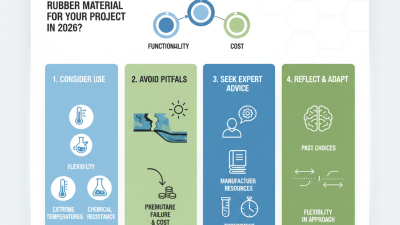
Choosing the right rubber material requires careful consideration of your specific needs. Think about the environment it will be exposed to. Assess the mechanical demands it will face. Consider these factors thoroughly to ensure reliable performance in your application. Each type has strengths and weaknesses that need careful reflection before making a choice.
Comparison of Different Types of Rubber Materials
Evaluating the Key Properties of Rubber for Your Specific Application
When evaluating rubber materials, consider their key properties. Different applications require unique characteristics. Look at hardness, temperature tolerance, and flexibility. For instance, a softer rubber might suit seals, while tougher materials work better for automotive parts.
Durability is another critical factor. Some rubber types resist wear and weathering, which extends their lifespan. Others may degrade quickly under certain conditions. This brings to light the importance of testing materials under your expected use. Small variations in rubber compounds can lead to significant differences in performance.
Don't overlook environmental resistance either. If the rubber will face chemicals or extreme temperatures, select accordingly. It's also wise to consult industry standards for specific applications. Each choice warrants thorough consideration. Your project's success may hinge on these details. Balancing properties with functionality often requires reflection and adaptation. Consider prototypes to ensure your chosen rubber meets real-world needs.
Factors to Consider When Selecting Rubber Material for Durability
When selecting rubber materials for durability, various factors influence performance. The hardness of the rubber is essential. According to the ASTM D2240 standard, the Shore A hardness scale measures this. Softer rubbers offer flexibility, while harder ones provide more strength. For applications exposed to heavy wear, materials with a hardness above 70 Shore A are often recommended.
Temperature resistance is another critical factor. A report from the Rubber Manufacturers Association indicates that certain compounds can perform well in extreme temperatures, from -40°F to 250°F. Choosing the right compound for your environment ensures longevity. Additionally, resistance to chemicals like oils and solvents can affect the durability of rubber. Materials designed for such conditions often contain specific additives to enhance performance.
Moisture absorption is frequently overlooked. Rubber that absorbs water may weaken over time, reducing its lifespan. Studies show that the right formulations can minimize this risk. Testing for UV resistance is crucial when rubber will be exposed to sunlight. Poor UV resistance leads to cracking and degradation. Lastly, proper testing and certification from reputable institutions can assure the quality of the selected material. It's essential to weigh all these aspects carefully to find a suitable rubber material for your needs.
Assessing Cost vs. Performance in Your Rubber Material Choices
When selecting rubber materials, the balance between cost and performance is critical. High-performing rubber can be costly. However, cheaper options may lead to quicker failures, leading to higher overall expenses. Understanding the specific application can help guide your choices.
Consider the environment in which the rubber will operate. Will it face heat, chemicals, or abrasion? These factors significantly influence performance. For example, rubber that performs well under high temperatures may not be as effective in cold environments. This inconsistency can impact the lifespan and effectiveness of your project.
**Tips**: Always test samples before committing to a bulk order. Conduct stress tests to evaluate how the rubber reacts under different conditions. This practice will save money and prevent potential pitfalls.
Quality should not be sacrificed for cost. Finding a balance is essential. Be cautious about selecting the cheapest material. It may not provide the necessary durability. Sometimes, investing a bit more upfront can yield substantial long-term savings. Reliable sources and expert reviews can also help inform your choices.
Tips for Testing and Sourcing Rubber Materials Effectively
Choosing the right rubber material requires careful testing and sourcing. Begin by defining your specific needs. Consider factors such as temperature resistance, flexibility, and chemical exposure. Each application has different requirements that can affect performance.
Testing rubber materials is crucial. Start with small samples to evaluate physical properties. Check for hardness, tensile strength, and aging characteristics. Even minor differences can lead to major failures. Use standardized testing methodologies to ensure reliability. Document every test and outcome for future reference.
Sourcing rubber can be challenging. Research potential suppliers thoroughly. Look for those with a solid track record. Request certifications to verify the quality of their materials. Consider visiting their facilities if possible. Building a good relationship with suppliers can lead to better support and insights. Reflect on your experiences. Each sourcing decision will enhance your understanding of the material's capabilities.