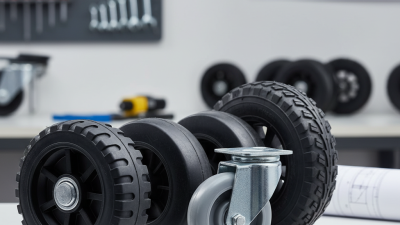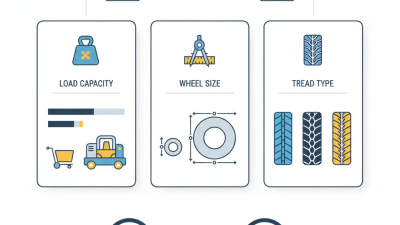
A Rubber Wheel may look like a simple component, yet its performance depends on material, load, floor condition, and operating speed. It supports equipment, absorbs vibration, and helps movement feel controlled. The wrong choice can leave marks on concrete, create noise, or wear unevenly within weeks. That practical detail is easy to overlook.
Dr. James E. Mark, a respected rubber-materials researcher, once stated, “Rubber performance is always a balance between strength, flexibility, and durability.” This principle matters when selecting a Rubber Wheel. A softer compound usually protects delicate floors and rolls quietly. However, it may deform under heavy loads. A harder compound can carry weight efficiently, but it may transmit more vibration. The best option is rarely the softest or hardest one.
This guide examines the decisions behind a reliable wheel choice. It considers load capacity, wheel diameter, tread hardness, temperature, moisture, chemicals, and floor type. A warehouse pallet truck needs different wheels from a medical cart or workshop machine. Measure the real working conditions, not only the equipment label. Include sudden impacts and uneven surfaces. They change the result.
There is room for honest doubt. Product descriptions often sound precise, while actual performance varies with installation and maintenance. A wheel rated for a certain load may still fail when overloaded repeatedly. Inspect the tread, axle, and mounting point regularly. Small cracks deserve attention. Careful selection is not glamorous, but it prevents expensive interruptions and disappointing performance.
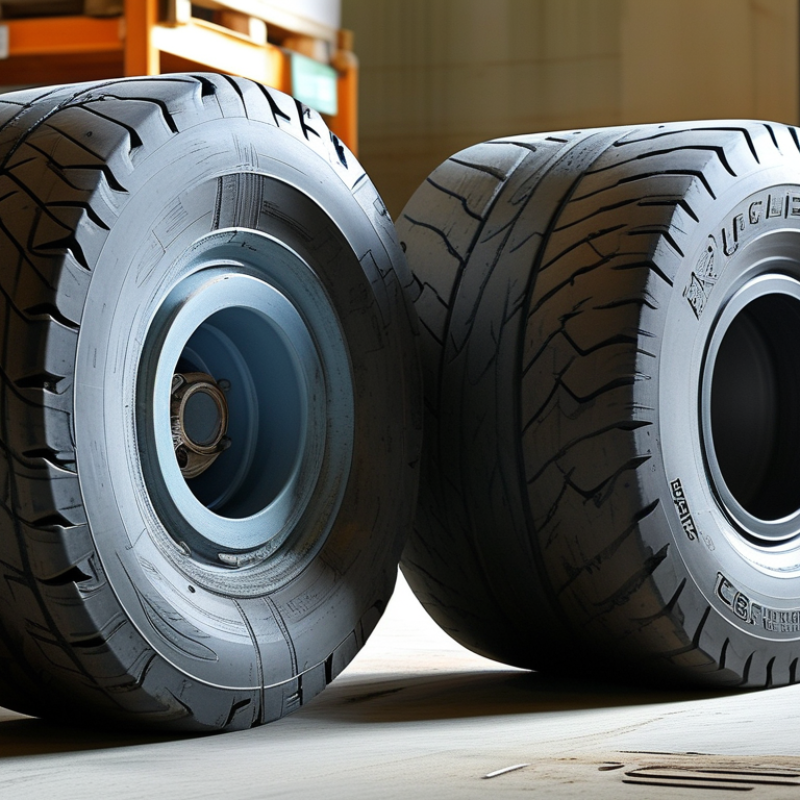
A rubber wheel is a round component that supports movement through rolling contact. Its rubber outer layer grips the floor and softens vibration. It can carry loads on carts, equipment, furniture, and industrial platforms. Unlike a hard plastic wheel, rubber usually creates less noise on concrete or tile.
Its structure has several working parts. The tread is the visible rubber surface that meets the floor. Beneath it, a metal, nylon, or composite core provides support. The center may contain a plain bore, roller bearing, or ball bearing. An axle passes through this opening and transfers the load to the frame. Solid rubber wheels resist punctures, while pneumatic wheels use air for greater cushioning. Semi-pneumatic designs offer a middle option. Each type behaves differently.
The wheel’s basic function is simple: reduce sliding friction and guide a load smoothly. In real use, floor conditions change the result. Dust can reduce grip, while oil may soften or damage some rubber compounds. A wheel also needs a suitable load rating. Divide the total load by the number of wheels, then allow extra capacity because floors are rarely perfectly even. That matters. During equipment inspections, I have found that a wheel with strong rubber can still fail when its bearing is overloaded. Temperature, speed, moisture, and turning frequency deserve attention. No wheel is perfect, and choosing by diameter alone is an easy mistake.
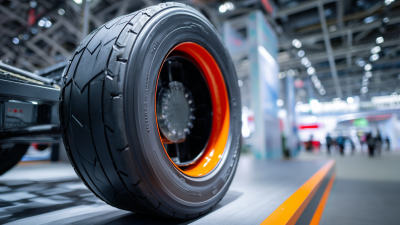
A rubber wheel grips a surface by deforming slightly under load. This contact creates traction, absorbs vibration, and reduces noise during movement. On smooth concrete, a medium-hard rubber wheel usually rolls efficiently. It leaves less resistance than a very soft wheel. However, polished floors can expose one weakness: poor rubber compounds may slide when dust or moisture is present.
Uneven ground demands a different response. A softer tread can follow small cracks, tile joints, and workshop debris. It also cushions equipment from sharp impacts. The trade-off is higher rolling resistance and faster wear. On wet floors, tread patterns help move water away from the contact patch. They cannot replace careful speed control. A wheel that feels secure indoors may behave unpredictably on ramps or painted surfaces.
I once selected a soft wheel for a heavy cart, assuming comfort mattered most. That assumption was wrong. The cart moved easily at first, but the wheels flattened during long storage. Load rating, wheel diameter, tread hardness, and bearing quality must be considered together. Larger diameters cross thresholds more smoothly. Harder rubber supports heavier loads but transmits more vibration. For warehouse floors, check the load per wheel, not only the total equipment weight. For outdoor paths, inspect the tread for cuts and embedded stones. Test the wheel on the actual surface before buying several. Small differences in moisture, dust, and temperature can change its performance.
Typical performance guide for selecting rubber wheels according to surface conditions, load requirements, traction, and operating environment.
| Surface or Application | Recommended Wheel Construction | Typical Tread Hardness | How the Wheel Works | Main Advantage | Potential Limitation | Selection Priority |
|---|---|---|---|---|---|---|
| Sealed concrete | Solid rubber or resilient rubber tread with a rigid core | 70–90 Shore A | The tread deforms slightly to maintain contact while the core supports the load and reduces rolling resistance. | Good balance of quiet operation, traction, and durability | Soft compounds may wear faster on abrasive concrete | Load capacity |
| Uneven concrete | Thicker solid rubber or pneumatic rubber wheel | 50–75 Shore A | A softer tread absorbs small shocks and conforms to surface irregularities, improving contact with the floor. | Improved ride comfort and vibration reduction | Higher rolling resistance than a hard tread | Shock absorption |
| Asphalt and outdoor pavement | Pneumatic rubber or thick-profile solid rubber | 55–75 Shore A | The larger contact area and flexible tread help the wheel roll over surface texture and minor obstacles. | Good outdoor mobility and obstacle handling | Pneumatic wheels can puncture; soft treads can collect debris | Tread thickness |
| Ceramic or smooth tile | Non-marking soft rubber or thermoplastic rubber | 60–80 Shore A | A compliant tread increases the real contact area and helps reduce vibration on a hard, smooth surface. | Quiet movement and good floor protection | Some rubber compounds may leave marks or react with floor coatings | Non-marking tread |
| Wet or damp floors | Rubber tread with grooves, channels, or a textured pattern | 60–80 Shore A | Grooves help move water away from the contact patch, while rubber maintains friction better than many rigid plastics. | Improved wet-surface traction | Water, oil, and cleaning chemicals can significantly change grip | Tread pattern |
| Steel plates and metal grating | Solid rubber with a reinforced core and rounded tread profile | 70–85 Shore A | The rubber layer cushions contact with metal and reduces noise, while reinforcement helps resist edge damage. | Low noise and reduced impact on metal surfaces | Sharp edges can cut or chip an unreinforced tread | Tear resistance |
| Wooden floors | Soft non-marking rubber or resilient rubber tread | 55–75 Shore A | The softer tread spreads the load and reduces concentrated pressure that could scratch or dent the floor. | Good floor protection and quiet operation | Excessive softness can increase steering effort and wear | Floor protection |
| Gravel and compacted soil | Pneumatic rubber or wide solid rubber wheel | 45–70 Shore A | A flexible casing or broad tread distributes the load and helps the wheel pass over loose particles and shallow ruts. | Better flotation and comfort on loose ground | Lower stability and greater rolling resistance on soft soil | Wheel diameter |
| Heavy industrial loads | Hard rubber or rubber tread bonded to a metal or reinforced polymer core | 80–95 Shore A | The rigid core carries most of the load while the rubber tread provides cushioning and surface protection. | High load capacity with less deflection | Hard wheels transmit more vibration and may be noisy | Load rating |
| Areas requiring low noise | Soft solid rubber or resilient rubber tread | 50–70 Shore A | Rubber absorbs impact energy during contact and reduces rolling and bumping noise compared with metal or hard plastic. | Quiet operation and smoother travel | Soft rubber generally has higher rolling resistance | Noise reduction |
| Oil or chemical exposure | Oil-resistant synthetic rubber or chemically resistant elastomer | 70–90 Shore A | The tread is selected to resist swelling, softening, cracking, or loss of mechanical strength caused by specific fluids. | More stable performance in demanding environments | Resistance varies by chemical, concentration, temperature, and exposure time | Compatibility data |
| Cold environments | Low-temperature flexible rubber compound | 50–80 Shore A | The compound is formulated to retain flexibility when temperatures fall, helping preserve contact and traction. | Better grip and impact resistance in cold conditions | Some compounds harden or become brittle below their rated temperature | Temperature range |
Rubber wheels come in several practical forms, each suited to different working conditions. Solid rubber wheels resist punctures and support steady loads on warehouse floors, carts, and compact equipment. They need little maintenance. However, they can transmit more vibration over cracked concrete. Pneumatic rubber wheels contain air and provide better shock absorption on gravel, grass, and uneven paths. Their weakness is obvious: sharp debris can cause a flat tire.
Semi-pneumatic wheels offer a useful middle ground. They provide some cushioning without regular inflation, but their comfort is limited under heavy loads. Soft rubber wheels are often chosen for quiet movement and better floor protection. They work well on finished floors, though they may wear faster when dragged across rough surfaces. Grooved rubber wheels can improve tracking on certain surfaces, while wide wheels reduce sinking on loose ground.
Choosing the right type requires more than checking diameter. Measure the total load, including the cart and its contents. Then consider floor texture, operating temperature, moisture, and daily travel distance. A wheel that feels smooth in a showroom may perform poorly beside a loading dock. I have found that small test runs reveal problems that specifications miss. No wheel is perfect. Sometimes the first choice needs adjustment after real use. Inspect tread wear, cracks, and axle movement regularly. These details often indicate whether the wheel remains safe and reliable.
Rubber wheels are available in solid, pneumatic, semi-pneumatic, thermoplastic rubber, and rubber-treaded designs. The chart compares representative load capacities for commonly used 100 mm wheels. Actual capacity depends on wheel width, bearing design, floor conditions, temperature, and operating speed.
Solid and rubber-treaded wheels generally provide higher load capacity and puncture resistance, while pneumatic and semi-pneumatic wheels offer better shock absorption. Thermoplastic rubber wheels are a practical choice for quiet movement on smooth indoor floors.
What Is a Rubber Wheel and How to Choose the Right One?
A rubber wheel combines an elastic tire with a metal, plastic, or composite core. Its performance depends on more than diameter. Load, floor condition, speed, temperature, and noise all matter. The International Rubber Study Group reported global natural rubber consumption at approximately 15.6 million tonnes in 2023. That scale reflects rubber’s continuing importance, but material availability does not guarantee the right wheel choice. A soft wheel may protect tiled floors. It can deform under heavy loads. A harder wheel rolls efficiently, yet may transmit vibration across uneven concrete.
Check the working load before comparing prices. Divide the total equipment weight by the number of wheels, then add a safety margin. This method matters because floors are rarely perfectly level. Rolling resistance also rises on rough surfaces. For heat, chemical exposure, or outdoor moisture, review the manufacturer’s tested operating range. ISO 22883 provides performance guidance for industrial castors and wheels, including rolling and obstacle tests. However, laboratory results cannot fully represent every warehouse. That is an easy detail to overlook.
Tips: Measure the narrowest doorway and turning space. Match tread hardness to the floor, not personal preference. Inspect the wheel after one week of use. Look for flat spots, cracking, unusual noise, or sidewall damage. I once favored a softer tread for quiet movement, but the wheel wore faster than expected under constant loads. The mistake was real. Test a small sample first.
Maintaining a rubber wheel starts with a careful inspection.
Check the tread for cracks, flat spots, cuts, and embedded metal. Run your hand around the surface, but wear gloves. A wheel may look acceptable and still roll badly.
Listen for grinding or repeated clicking during movement.
These sounds can indicate a damaged bearing, loose axle, or uneven wear.
Clean the wheel with mild soap, warm water, and a soft brush.
Remove stones and thread from the axle area. Avoid harsh solvents, open flames, and excessive heat, which can weaken rubber.
Inspect the mounting plate, bolts, and axle at the same time. Tighten loose hardware, but do not crush the wheel or distort its brackets.
Check the wheel after heavy use, exposure to moisture, or long storage.
My first inspection once missed a small sidewall crack.
Replace a rubber wheel when cracks deepen, the tread separates, or rolling resistance increases.
Select a replacement with the same diameter, width, axle size, and mounting style. Confirm its load rating exceeds the combined equipment and working load.
Support the equipment securely before removal. Never rely on a temporary stack of materials.
Remove the fastener, compare the old and new wheels, then install the replacement firmly. Spin it by hand before lowering the equipment.
Test it slowly on a clean, level surface. Recheck the fastener after the first operating period, because new parts can settle slightly.