How to Choose the Right Rubber Wheel for Your Needs?
Choosing the right rubber wheel can significantly impact your project's success. Rubber wheels are versatile components used in various applications. They can enhance mobility, provide durability, and ensure smoother rides.
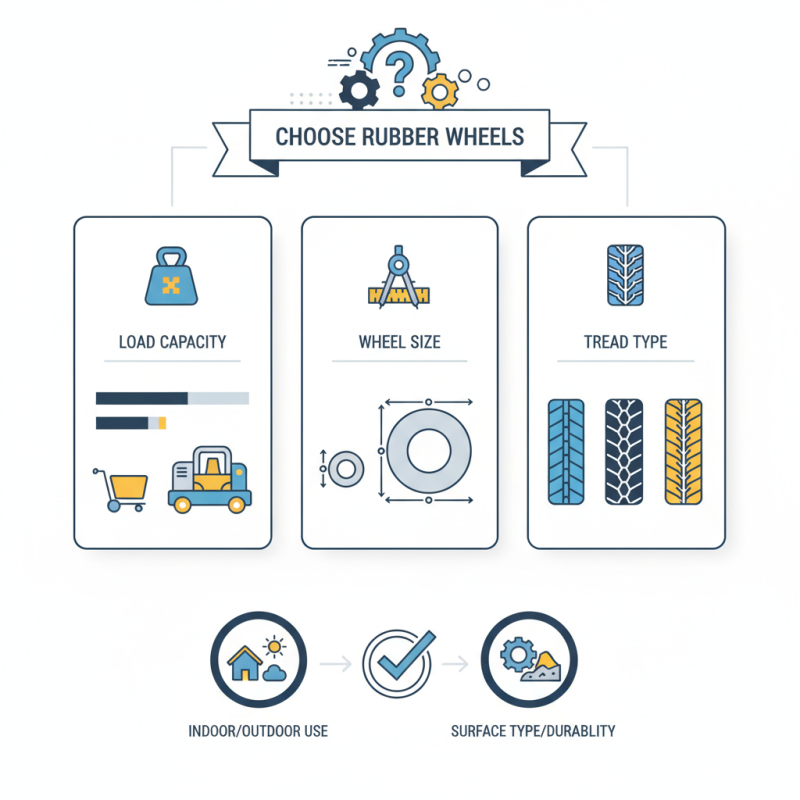
When selecting a rubber wheel, consider factors like load capacity, wheel size, and tread type. Not all rubber wheels are created equal. An incorrect choice may lead to inefficiencies or even safety hazards. Pay attention to material quality; cheaper options might wear out quickly.
It's essential to reflect on your specific needs. Are you using it indoors or outdoors? Will it be subjected to heavy loads or rough surfaces? Each application demands a tailored approach. The right rubber wheel can make a world of difference in performance and reliability.
Understanding the Different Types of Rubber Wheels Available
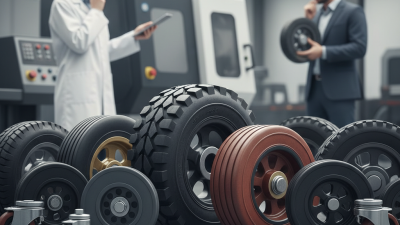
When choosing a rubber wheel, different types serve various needs. Each type has unique features that cater to specific applications. For instance,
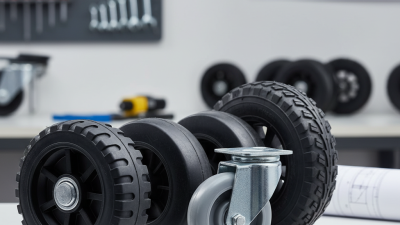
solid rubber wheels provide excellent durability and are resistant to punctures. They work well in environments where sharp objects might be present.
Another option is pneumatic rubber wheels, which offer better shock absorption. These wheels are great for uneven surfaces and reduce vibrations during transportation.
They can be ideal for carts or equipment that require smooth mobility on rough terrains. Understanding the weight capacities and compatibility with your equipment is crucial.
Consideration of wheel size is also important. Larger wheels roll easily over obstacles, but they may require more space. In contrast, smaller wheels are more compact but can struggle with uneven surfaces.
Reflect on your specific needs to make an informed decision. Each option has advantages and drawbacks—choose wisely based on your environment and usage.
Factors to Consider When Choosing Rubber Wheels for Your Application
When selecting rubber wheels for specific applications, several important factors must be considered. The wheel's hardness is crucial. Softer wheels provide better traction and shock absorption, making them suitable for rough terrains. However, harder wheels offer more durability and wear resistance on smooth surfaces. Finding the right balance between hardness and grip can significantly impact performance.
Aside from hardness, the load capacity of the wheels is vital. Different applications demand different weight tolerances. It is essential to choose wheels that can handle the expected load without risk of failure. Size and diameter also matter. Larger wheels roll easier over obstacles, while smaller wheels are more agile and easier to maneuver in tight spaces.
The environmental conditions must not be overlooked. Rubber wheels can behave differently based on temperature and surface type. For instance, wheels used in cold environments may become brittle, while those in hot conditions might soften excessively. Ultimately, careful consideration of these factors ensures optimal performance and reliability. Reflect on your specific needs to avoid potential pitfalls. Each application is unique, requiring a tailored approach to wheel selection.
Evaluating Load Capacity and Durability of Rubber Wheels
When selecting rubber wheels, evaluating load capacity and durability is crucial. According to industry data, the load capacity can vary significantly based on the wheel design and material composition. For instance, wheels made with a combination of natural and synthetic rubber often provide superior load-bearing capabilities. A report from the American Society of Mechanical Engineers indicates that wheels with a higher durometer hardness typically support greater weight. However, this can impact flexibility and comfort.
Durability is another key factor. Rubber wheels are exposed to wear and tear from constant use. A study by the Rubber Manufacturers Association found that wheels designed for industrial settings often last longer under heavy loads. Yet, even the best wheels can degrade due to environmental factors like UV exposure or temperature fluctuations. It's important to consider these conditions when choosing a wheel.
Users sometimes overlook load capacity in favor of price. This can lead to premature failure. Evaluating the intended use and weight requirements will serve you better in the long term.
Always conduct thorough research or consult with experts when necessary. Making informed choices will save you both time and money.
Assessing Wheel Size and Compatibility with Equipment
When selecting the right rubber wheel, assessing wheel size is crucial. The wheel must fit the equipment correctly to ensure optimal performance. Unevenly sized wheels can lead to excess wear, decreased efficiency, and increased downtime. A report by the International Rubber Study Group highlights that improper wheel size contributes to 30% of industrial equipment failures.
Compatibility with equipment is equally important. Industry standards advocate for specific measurements to match the axle and overall machinery design. For example, a wheel with inappropriate diameter may cause instability during operation. This not only affects the load capacity but also poses safety risks to operators. Regular checks on wheel specifications can prevent costly accidents.
Tips: Always consult the manufacturer’s guidelines for the specifications. Ensure your wheel supports the intended load. Consider the terrain where the equipment will be used. If unsure, seek professional advice to avoid mismatches. Proper alignment and sizing enhance durability and improve productivity. Remember, a small oversight in wheel selection can lead to significant operational issues.
Exploring Surface Types and Their Impact on Wheel Performance
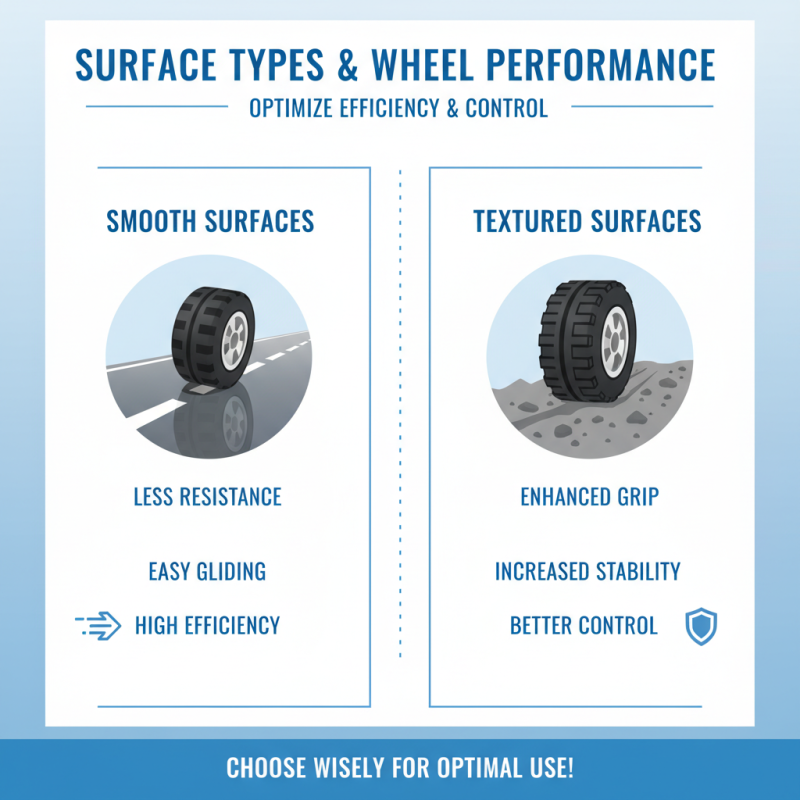
When selecting a rubber wheel, understanding the surface type is crucial. Different surfaces affect wheel performance in various ways. For instance, smooth surfaces generally provide less resistance, making wheels glide easily. In contrast, textured surfaces can enhance grip and stability. This difference can significantly impact efficiency and control during use.
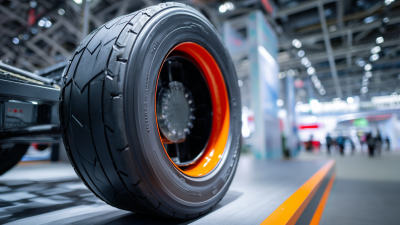
The environment also plays a role. Indoor surfaces are often smoother, while outdoor terrains may include gravel or uneven pavement. Rubber wheels designed for such environments usually feature a more rugged tread. This design helps in tackling obstacles while ensuring durability. Choosing a wheel suitable for specific surface conditions is essential for optimal performance.
Consider the weight that the wheels will support. Heavier loads may require wheels with a harder rubber compound to withstand wear and tear. However, a harder compound can result in a rougher ride. Finding the right balance between hardness and grip is not straightforward. It requires careful evaluation of the intended use and surface interactions. Testing different wheel types in the environment they will be used is highly recommended. The results may lead to unexpected insights and better decisions.