Inquiry
Form loading...

Why Choose Rubber Washers for Sealing Applications?

Why Choose Rubber Washers for Sealing Applications?

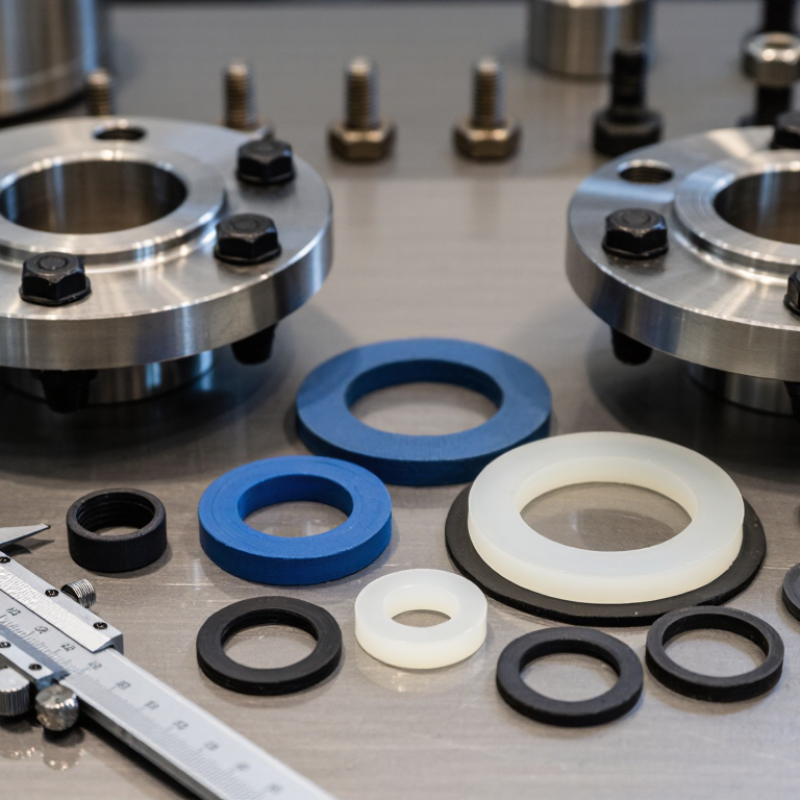
A reliable seal often begins with a small component. Rubber Washers sit between two surfaces, filling scratches, gaps, and uneven contact points. They help prevent water, dust, oil, and air from passing through bolted joints. Their simple shape can hide complex engineering decisions. Material choice, compression, temperature, and surface finish all influence performance.

Dr. James E. Mark, a respected rubber scientist, put the principle plainly: “Rubber performance comes from formulation, not appearance.” This insight matters when selecting Rubber Washers for demanding applications. EPDM performs well against weathering, ozone, and water. Nitrile rubber suits many oil and fuel environments. Silicone remains useful across broad temperature ranges. However, no compound solves every sealing problem. That mistake still appears in rushed product designs.

A properly sized washer should compress enough to close the joint without excessive deformation. Too little compression may create a leak path. Too much compression can damage the washer and increase installation problems. Clean mating surfaces also matter. A sharp edge, loose bolt, or uneven torque may defeat an otherwise suitable material. The best results come from testing the washer under real pressure, temperature, and chemical exposure. Laboratory data helps, but field conditions can be less forgiving. In some cases, engineers choose a thicker washer too quickly, when better alignment would provide greater reliability. Careful inspection remains essential. Small details decide whether a seal lasts for years or fails after one season.
Why Choose Rubber Washers for Sealing Applications?

What Are Rubber Washers and How Do They Seal?

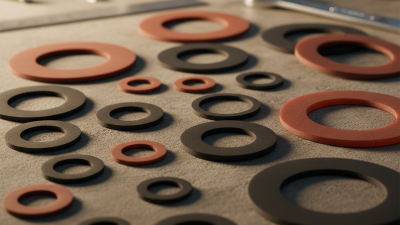
Rubber washers are flat sealing components made from elastomers such as EPDM, nitrile, silicone, or neoprene. A center hole lets a bolt or screw pass through. The rubber body sits between two connected surfaces. It is a simple part.

When the fastener is tightened, the washer compresses against the joint. This pressure closes tiny scratches, gaps, and uneven areas around the hole. Rubber also grips the surfaces, reducing movement and helping block water, air, dust, or process fluids. A properly sized washer should cover the sealing area without spreading beyond the joint. Too little compression can cause leaks. Too much compression may crush the rubber and shorten its service life.

Material selection matters. EPDM performs well against weather and hot water, while nitrile suits many oil-contact applications. Silicone stays flexible across broad temperature ranges, but it may not resist every chemical. Check the fluid, temperature, pressure, and exposure time before installation. A washer can look perfect and still fail.

In practical maintenance work, clean surfaces make a noticeable difference. Remove old sealant, rust flakes, and sharp edges before fitting the washer. Tighten bolts evenly, using the recommended torque when available. I have seen leaks blamed on rubber when the real cause was a warped flange. That mistake is easy to repeat. Inspect the washer for cuts, flattening, or swelling, and replace damaged parts instead of forcing them back into service.

Which Rubber Washer Materials Suit Different Applications?

Rubber washers seal gaps, absorb vibration, and protect fasteners from moisture. Their value depends on material selection, not appearance. The International Rubber Study Group reported approximately 15 million metric tons of natural rubber production in 2023. That scale supports broad availability, but natural rubber is not suitable for every seal.

Nitrile rubber suits washers exposed to mineral oils, fuels, and hydraulic fluids. EPDM performs better with hot water, weather, ozone, and outdoor exposure, but it can swell in petroleum oils. Silicone remains flexible across wide temperature changes and works well in food, medical, and low-pressure environments. Fluoroelastomer handles demanding heat, fuels, and chemicals, though its cost is higher. Neoprene offers balanced resistance to sunlight, ozone, and seawater. ASTM D200 and ISO 1629 classifications help verify compound families, yet compound hardness still changes compression and sealing performance. No chart chooses the washer alone.

Tips: Check temperature, fluid contact, compression, and surface finish before ordering. Match the washer’s inner diameter closely to the fastener. Test the actual assembly when pressure cycles or vibration matters. I have seen “correct” materials fail because the washer was over-compressed. That detail is easy to miss. Industry reports provide useful direction, but application testing remains the more reliable decision.

Why Choose Rubber Washers for Sealing Applications?

Which Rubber Washer Materials Suit Different Applications?

The chart compares common rubber washer materials for typical sealing conditions. Ratings from 1 to 5 are indicative suitability scores based on widely recognized material properties such as oil resistance, temperature capability, weathering resistance, and compatibility with hot water or steam. Actual performance depends on compound formulation, pressure, installation, and operating conditions.

How Do Rubber Washers Improve Joint Sealing Performance?

Rubber washers improve joint sealing by filling tiny gaps between mating surfaces. Their flexible material conforms to scratches, waviness, and minor surface irregularities. During tightening, the washer compresses and creates a continuous barrier around the fastener. This helps reduce leaks caused by vibration, pressure changes, and slight movement between parts. It also separates dissimilar metals, which can limit surface damage and corrosion. A small component can make a noticeable difference.

In practical assembly work, sealing performance depends on controlled compression. Too little pressure may leave open leak paths. Too much pressure can crush the washer or force it outward. The washer should match the bolt size, groove design, fluid, and operating temperature. A thicker washer is not automatically better. I have seen thick rubber parts fail because they were squeezed beyond their recovery range. That mistake is easy to overlook.

Material selection also matters. Some rubber compounds handle oils well, while others perform better with water, outdoor exposure, or heat. Before installation, check for cuts, hardening, uneven edges, and contamination. Clean contact surfaces help the washer seat evenly. Tighten fasteners gradually and follow a measured torque procedure when possible. Pressure testing can reveal slow seepage that visual inspection misses. Sealing is not automatic. Even a properly selected washer may fail when surfaces are misaligned or the joint keeps moving. A brief inspection after initial use can expose those weaknesses early.

What Factors Should Guide Rubber Washer Selection?

Why Choose Rubber Washers for Sealing Applications?

What Factors Should Guide Rubber Washer Selection?

Rubber washers can seal joints against water, air, oil, and mild chemicals. Their flexibility helps fill small surface irregularities during tightening. However, appearance alone cannot confirm a reliable seal. Material selection should begin with the fluid, operating temperature, pressure, and exposure time.

Nitrile rubber often suits petroleum-based oils and moderate temperatures. EPDM performs better with water, steam, and weather exposure. Fluorocarbon rubber may handle higher temperatures and aggressive fluids, but it usually costs more. Always review verified material data before making a decision. Small details matter.

Size is equally important. Check the inner diameter, outer diameter, thickness, and compression allowance. A washer that is too thin may leak under vibration. Excessive compression can cause permanent deformation. The mating surfaces should be clean, smooth, and free from sharp edges. In practical fitting work, installation damage is a common failure point.

Consider aging, storage conditions, and repeated maintenance. Heat, ultraviolet light, ozone, and unsuitable lubricants can weaken rubber over time. I have seen correctly sized washers fail because the compound was incompatible with the surrounding fluid. That mistake is easy to repeat. Testing a sample under real temperature and pressure conditions provides stronger evidence than a catalog description. Batch traceability and inspection records also support dependable quality control.

Why Choose Rubber Washers for Sealing Applications? - What Factors Should Guide Rubber Washer Selection?

Material and design comparison guide for selecting rubber washers in sealing applications
Selection Factor Recommended Reference Why It Matters Typical Rubber Washer Consideration Practical Selection Guidance
Fluid or Chemical Exposure Identify oils, fuels, water, steam, acids, alkalis, cleaning agents, and solvents. Incompatible fluids can cause swelling, shrinkage, softening, cracking, or loss of sealing force. NBR generally performs well with mineral oils and fuels; EPDM is suitable for water, steam, and many dilute chemicals; FKM offers strong resistance to many oils and fuels; silicone is suitable for many environmental exposures but has limited resistance to some oils and solvents. Choose the elastomer from a verified chemical-compatibility chart using the actual fluid, concentration, temperature, and exposure time.
Operating Temperature Use the continuous operating temperature and any short-term temperature peaks. Excessive heat accelerates aging, while low temperatures can make the washer stiff and less compliant. Approximate continuous ranges:
NBR: −30 to +100 °C
EPDM: −45 to +150 °C
Silicone: −60 to +200 °C
FKM: −20 to +200 °C
Use the compound supplier's rated limits; actual performance depends on grade, compression, pressure, and chemical exposure.
Compression Set Prefer a low compression set for long-term static sealing. A washer with high permanent deformation may not recover enough to maintain contact pressure after prolonged compression. EPDM and silicone can provide good performance in selected temperature ranges; NBR and FKM performance varies significantly by compound and temperature. Compare compression-set results tested at a temperature and duration representative of the application, rather than relying only on nominal material names.
Pressure Level Determine static or dynamic pressure, pressure spikes, and the available clamping force. High pressure may extrude the washer through a clearance gap or damage its sealing edge. Rubber washers are commonly used for low-to-moderate static sealing; higher pressure may require a harder compound, reduced clearance, a backup ring, or a different seal geometry. Check the washer hardness, groove or hole clearance, squeeze percentage, and extrusion risk under peak pressure.
Hardness and Squeeze Typical elastomer hardness is selected according to load, surface condition, and pressure. Soft rubber conforms well to surface irregularities, while harder rubber generally offers greater resistance to extrusion and wear. Common washer compounds are often available around 50–90 Shore A, depending on material and formulation. Static seals frequently use approximately 60–80 Shore A as a starting range. Use the lowest hardness that provides adequate sealing without excessive extrusion, cutting, or installation damage.
Surface Finish and Flatness Inspect mating surfaces for scratches, burrs, waviness, and contamination. Rubber can compensate for small imperfections, but deep scratches or uneven clamping can create leakage paths. Sealing reliability improves when mating surfaces are clean, free of sharp edges, and sufficiently flat for uniform compression. Remove burrs, control surface damage, and avoid installing a washer against sharp edges unless the design provides suitable protection.
Washer Thickness Select thickness based on required compression, available space, and bolt or fastener geometry. Too little thickness may not accommodate surface variation; too much thickness can produce excessive deformation or reduce thread engagement. Typical industrial rubber washers may range from approximately 0.5 to 6 mm thick, while custom designs can be thinner or thicker. Confirm the compressed thickness, clamp load, clearance, and required fastener engagement before finalizing the design.
Inside and Outside Diameter Match the inside diameter to the fastener and the outside diameter to the sealing land. An undersized opening can interfere with installation, while insufficient outside diameter can leave part of the sealing area uncovered. The washer should sit concentrically around the fastener and maintain a continuous sealing band beyond the hole or joint boundary. Allow for manufacturing tolerances, thermal expansion, hole variation, and any movement between the mating parts.
Outdoor Weathering and Ozone Consider sunlight, ozone, humidity, rain, and temperature cycling. Weathering can cause surface cracking and gradual loss of elasticity. EPDM and silicone generally provide strong resistance to weathering and ozone; NBR is less suitable for prolonged outdoor ozone exposure unless specially formulated. For outdoor service, prioritize weathering resistance and validate the selected compound through aging or field-representative testing.
Electrical Insulation Determine dielectric, insulation, and tracking requirements. Some sealing applications also require the washer to isolate conductive parts or reduce leakage current. Many rubber compounds are electrically insulating, but conductivity and dielectric performance depend on formulation, moisture, temperature, and contamination. Request electrical-property data for the exact compound when insulation is a safety or functional requirement.
Food, Drinking Water, or Medical Contact Check applicable regulatory and extractables requirements. Material suitability involves more than sealing performance; substances may migrate from the rubber into the contacted medium. Silicone and EPDM are commonly considered for water or hygienic applications, but only specific compliant grades should be used. Specify the required regulatory standard and obtain documentation for the exact formulation, color, cure system, and manufacturing process.
Installation and Reuse Assess assembly force, lubrication, alignment, and whether the joint will be reopened. Stretching, twisting, cutting, or reusing a permanently deformed washer can result in immediate or delayed leakage. Flat rubber washers are generally intended for controlled compression and are commonly replaced after disassembly. Use clean tools, avoid sharp edges, apply only compatible lubricant when needed, and replace damaged or permanently deformed washers.
Common Material Choices Use the service environment as the primary decision criterion. No single rubber compound provides the best performance in every fluid, temperature, and mechanical condition. NBR: oils and fuels
EPDM: water, steam, weathering
Silicone: wide temperature range and flexibility
FKM: high-temperature oil and fuel resistance
Neoprene: general-purpose weathering and moderate oil resistance
Confirm the specific grade, hardness, cure system, and test data before production approval.

Important: The temperature ranges and material descriptions are general engineering references, not universal guarantees. Final rubber washer selection should be validated using the exact compound, dimensions, compression, pressure, fluid, temperature profile, and applicable testing requirements.

How Are Rubber Washers Installed and Maintained?

Rubber washers help seal joints by filling small gaps between a fastener and the mating surface. Their flexibility also reduces vibration and protects painted or coated surfaces. However, reliable sealing depends more on installation than appearance. A washer can look perfectly seated and still leak.

Before installation, check the washer for cuts, flattening, cracks, or hard edges. Confirm that its inner diameter fits the fastener without excessive movement. The outer diameter should cover the sealing area fully. Clean the contact surfaces and remove metal chips, oil, and old sealant. Keep the washer flat against the joint. Do not twist it during tightening.

Tighten the fastener gradually and evenly. Excessive torque may squeeze the rubber outward, while insufficient pressure may leave a leakage path. Use the equipment manufacturer’s torque guidance when available. In field inspections, I often find that overtightening causes more damage than loose assembly. That mistake is easy to repeat. After installation, inspect the joint for bulging rubber or uneven compression. Test the assembly under normal operating conditions, then check it again after vibration or temperature changes. Maintenance should include periodic visual checks, especially near sunlight, chemicals, or heat. Replace the washer when it becomes brittle, permanently flattened, swollen, or discolored. Reusing an old washer may seem harmless, but its sealing force may already be gone.