Top 10 Rubber Washers for Global Buyers in 2026?
In 2026, the demand for rubber washers is expected to soar. The global market for rubber components is projected to reach $60 billion by 2025, driven by rising industrial applications. Rubber washers play a crucial role in sealing, insulation, and vibration dampening across various industries. Their unique properties, including resistance to heat and chemicals, enhance their utility in harsh environments.
Industry reports indicate that the automotive and construction sectors are the largest consumers of rubber washers. Over 30% of the rubber washer market share can be attributed to these industries. However, buyers must also consider factors like material quality and compatibility with specific applications. While many suppliers claim high standards, inconsistencies can persist. Suppliers' certifications, such as ISO and ASTM, are essential indicators of reliability.
Navigating the vast options available poses challenges for global buyers. Many may overlook essential aspects like maintenance and environmental impact. A thorough understanding of specifications and careful supplier selection can mitigate these risks. Thus, identifying the top rubber washers for 2026 requires both market insight and discernment.
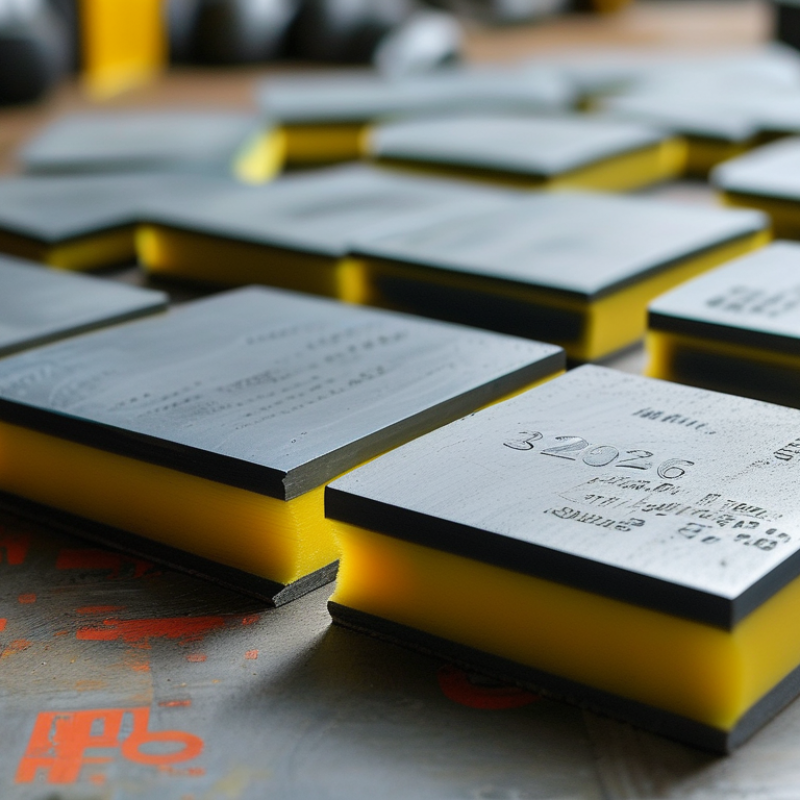
Overview of Rubber Washers in the Global Market for 2026
In 2026, the global market for rubber washers is expected to see significant growth. This increase can be attributed to demand across various industries, including automotive, construction, and electronics. Rubber washers provide excellent sealing capabilities and high durability, making them a favored choice.
For buyers, choosing the right rubber washer is crucial. The material type, thickness, and size are vital considerations. Using recycled rubber can offer sustainability benefits but may affect performance. It's essential to balance cost and quality when making selections.
**Tips:** Look beyond standard sizes. Some applications may require custom dimensions. Evaluate the environment where the washers will be used. High temperatures or exposure to chemicals can degrade materials quickly. Testing samples before bulk purchases can mitigate risks.
The rubber washer industry faces challenges. Quality control is sometimes inconsistent. Buyers need to inquire about manufacturing processes. Transparency from suppliers builds trust and can prevent future complications. Regular communication with suppliers helps ensure that your needs are met.
Key Materials and Manufacturing Processes for Rubber Washers
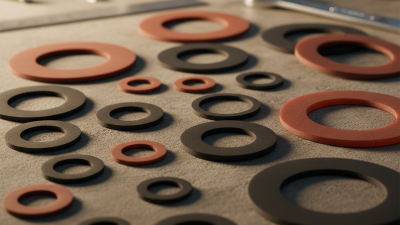
Rubber washers are essential components in many applications. They create seals to prevent leakage and ensure tight connections. The choice of materials significantly affects their durability and performance. Commonly used materials include natural rubber, silicone, and neoprene, each serving distinct purposes.
Natural rubber offers excellent elasticity and resilience. It thrives in both indoor and outdoor settings. However, it may degrade faster when exposed to sunlight and ozone. Silicone, on the other hand, withstands extreme temperatures. Its longevity makes it ideal for specialized applications. Neoprene, known for its versatile chemical resistance, finds common use in various industrial sectors.
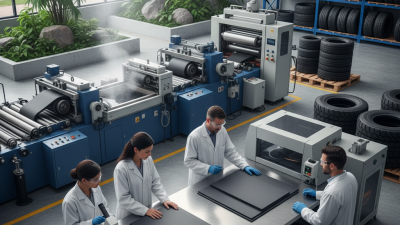
Manufacturing processes also impact washer quality. Techniques such as compression molding and injection molding are widely adopted. Each approach has its advantages and drawbacks. Compression molding is simpler but may result in inconsistent thickness. Injection molding provides precision but requires more investment. Understanding these nuances is crucial for choosing the right product. Sometimes, making the wrong choice can lead to significant system failures. Thus, proper material selection and manufacturing awareness are vital for global buyers in 2026.
Top 10 Manufacturers of Rubber Washers Worldwide
In the rapidly evolving world of manufacturing, the demand for rubber washers continues to grow. Various industries rely on these critical components for their durability and efficiency. The quality of rubber washers can significantly impact the overall functionality of machinery. Global buyers seek reliable manufacturers who can consistently deliver high-quality products.
Identifying top manufacturers is essential for buyers. Many companies specialize in rubber washers, offering different materials and technologies. Some focus on custom solutions tailored to specific applications. Others emphasize eco-friendly materials that align with sustainability goals. However, it is crucial for buyers to thoroughly vet manufacturers and assess their reputation in the market.
The landscape of rubber washer production is competitive. Not all manufacturers uphold strict quality control. Some may boast impressive certifications yet fail to deliver in practice. Customers must look for transparency and proven track records. Engaging with industry experts can provide insights into reliable sources. This approach helps customers make informed decisions when sourcing rubber washers for their projects.
Application Areas of Rubber Washers in Various Industries
Rubber washers are essential components in various industries due to their versatility and durability. They are widely used in automotive, plumbing, and electrical applications. In automotive manufacturing, rubber washers prevent leaks and reduce vibrations. They create a tight seal between parts, enhancing the reliability of vehicles. The importance of proper selection cannot be overstated. Choosing the wrong material can lead to premature failure.
In plumbing, rubber washers ensure effective sealing in faucets and pipes. This helps prevent water leakage, saving resources and reducing costs. However, the quality of rubber used can vary. Buyers must verify the source of materials to ensure durability. In electrical applications, rubber washers provide insulation. They protect against moisture and electrical leakage. The application areas highlight the necessity for industry-specific solutions.
Each industry has unique requirements. In construction, rubber washers help with waterproofing installations. They need to withstand harsh conditions. Not all rubber types meet these demands. Often, manufacturers overlook critical specifications. This can lead to potential failures, emphasizing the need for thorough testing and quality assurance. Prospective buyers must engage with experts to make informed decisions.
Trends and Innovations Influencing Rubber Washer Design in 2026
The rubber washer industry is evolving. In 2026, trends will shape design and functionality. Environmental concerns drive demand for sustainable materials. Many manufacturers explore biodegradable options. This shift reflects a broader commitment to eco-friendliness.
Innovations in technology enhance performance. Advanced manufacturing techniques improve precision and durability. Companies are investing in R&D to create washers that can withstand extreme conditions. High-temperature resistance and chemical durability are key focuses. However, some options still disappoint in longevity. Users may find themselves replacing washers more frequently.
Consumer preferences are changing too. Customization is on the rise, allowing buyers to select specific sizes and shapes. This trend caters to various applications, from residential to industrial. Yet, the challenge remains: can manufacturers keep up with demand? Production delays may affect availability, leading to frustration. Continuous feedback from users is necessary to drive improvements in design and functionality.
Top 10 Rubber Washers for Global Buyers in 2026
| Washer Type |
Material |
Size (mm) |
Temperature Resistance (°C) |
Applications |
| Flat Washer |
Nitrile Rubber |
10-50 |
-30 to 100 |
Automotive, Electrical |
| O-Ring |
EPDM Rubber |
5-25 |
-40 to 120 |
Plumbing, HVAC |
| Bonded Washer |
Silicone Rubber |
20-60 |
-50 to 200 |
Food, Medical |
| Square Washer |
Natural Rubber |
30-80 |
-10 to 70 |
Construction, Electronics |
| Cup Washer |
Neoprene Rubber |
15-55 |
-50 to 80 |
Marine, Automotive |
| Flat Sealing Washer |
FKM Rubber |
10-30 |
-20 to 200 |
Chemical, Aerospace |
| Insulation Washer |
PVC Rubber |
20-50 |
-10 to 60 |
Home Appliance, Tools |
| Rubber Grommet |
Synthetic Rubber |
8-25 |
-20 to 90 |
Electrical, Automotive |
| Spacer Washer |
Buna-N Rubber |
15-35 |
-30 to 120 |
Manufacturing, Robotics |