Inquiry
Form loading...

How to Choose the Right Check Valve?

Choosing the right Check Valve begins with understanding the system, not simply matching a pipe diameter. Fluid type, pressure, temperature, flow direction, and installation position all matter. A valve that looks suitable on a drawing may behave poorly in service.

Valve specialist James P. O’Brien offers a useful reminder: “The right valve is the one that performs reliably in the complete system.” This principle deserves attention. A swing check valve may suit clean water with steady flow. A lift, wafer, or dual-plate design may work better where space is limited. For contaminated fluids, internal geometry and access for cleaning become critical.

Small details often decide performance. Check the cracking pressure before selecting the spring. Review the manufacturer’s flow curves, pressure-temperature ratings, and allowable reverse-flow conditions. Consider water hammer, especially near pumps, vertical risers, and rapidly closing actuators. API 594, API 6D, and ASME B16.34 may provide useful reference points, depending on the application and valve design.

Do not trust size alone.

A practical selection also requires material compatibility. Stainless steel, carbon steel, bronze, and engineered plastics respond differently to corrosion, abrasion, and temperature changes. I have seen specifications focus heavily on purchase price while overlooking maintenance access. That approach can become expensive. Still, no checklist replaces field judgment. Actual flow patterns, vibration, installation errors, and unexpected solids can challenge a perfect calculation. This guide examines those issues clearly, helping engineers, buyers, and maintenance teams choose a Check Valve with stronger technical confidence and fewer avoidable surprises.

How to Choose the Right Check Valve?

Check Valve Basics and Their Role in Fluid Systems

How to Choose the Right Check Valve?

Check Valve Basics and Their Role in Fluid Systems

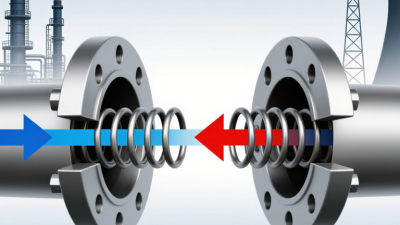
A check valve permits flow in one direction and blocks reverse movement. This simple action protects pumps, compressors, meters, and process equipment. Reverse flow can cause contamination, impeller damage, or sudden pressure changes. Small valves matter. The U.S. Department of Energy reports that pumping systems may consume about 25% of industrial electricity. Efficient flow control therefore deserves careful attention, not a last-minute selection.

Choose the valve after reviewing the fluid, pressure, temperature, flow rate, and installation position. A spring-loaded design can close quickly, while a swing design may create lower pressure loss. However, fast closure can increase water hammer. That assumption is often wrong. In field maintenance, operators should check the valve’s cracking pressure and actual operating range. Oversizing may delay closure and permit reverse flow. Undersizing can restrict capacity and raise energy demand.

Materials must match the fluid’s chemistry and temperature. Stainless alloys may suit corrosive services, while elastomers require compatibility checks. ISO 5208 provides standardized valve pressure-testing methods and leakage classifications. API 598 also defines inspection and testing practices for many industrial valves. These standards improve reliability, but they do not replace site-specific judgment. Record orientation, test pressure, leakage results, and maintenance history. A quiet valve is not always a healthy valve; unexpected vibration or repeated cycling deserves investigation.

How to Choose the Right Check Valve?

Check Valve Basics and Their Role in Fluid Systems

Fluid density and viscosity are important when selecting a check valve. Higher viscosity can increase pressure loss and may require a guided, spring-assisted, or larger valve design. Fluid density influences flow momentum, closing behavior, and the potential for water hammer.

The values below are representative properties at the stated reference conditions. Actual properties vary with temperature, pressure, and fluid composition.

Identify the Flow Conditions Your Valve Must Handle

How to Choose the Right Check Valve?

Identify the Flow Conditions Your Valve Must Handle

A check valve should match the system’s real flow, not only its pipe diameter. Record normal and peak flow rates, operating pressure, temperature, fluid density, and viscosity. Then examine the shutdown sequence. A pump stopping suddenly can create reverse flow and damaging pressure surges. U.S. Department of Energy pumping-system guidance reports that pumping systems may consume 25–50% of industrial facility electricity, so poor valve selection can waste energy repeatedly. Small pressure losses matter.

Consider whether the fluid contains solids, air, chemicals, or abrasive particles. A clean-water valve may fail quickly in slurry service. The Hydraulic Institute’s guidance emphasizes velocity, pressure drop, reverse flow, and water-hammer risk during check-valve selection. In field inspections, a noisy valve often signals unstable flow or repeated disc movement. That noise should not be ignored. It may be an early failure clue.

Tips: Measure flow at several operating points, not just during commissioning. Check the manufacturer’s pressure-drop curve against your actual velocity. For vertical piping, confirm the valve’s orientation and closing behavior. A slower-closing design may reduce surge, but it can also allow brief reverse flow. This is where selection becomes less perfect. Test the system after installation and revise the choice if field data disagrees with the original calculation.

Match Valve Design to Pressure, Temperature, and Media

How to Choose the Right Check Valve?

A check valve must match the system’s pressure, temperature, and media. A valve rated for water may fail in hot oil or corrosive chemicals. Confirm the maximum working pressure, operating temperature, and pressure class before comparing designs. Pressure drop matters. A spring-loaded valve can close quickly, but its spring may increase resistance in low-flow lines. Swing check valves often suit larger pipelines with steady, horizontal flow, while lift designs provide controlled movement in compact systems.

Media properties also guide material selection. Check viscosity, particle content, chemical compatibility, and gas or liquid phase. Stainless steel may resist many fluids, but it is not universally suitable. Seals require equal attention, especially when temperatures cycle or solvents are present. In field inspections, I have found small seal damage after repeated thermal changes. The valve body looked perfect.

Installation conditions can change the result. Match the valve’s flow arrow with the actual direction, and avoid placing it too close to a pump discharge elbow. Turbulence may cause chatter, vibration, and premature wear. Water hammer is another concern. A fast-closing valve may protect reverse flow but create damaging pressure spikes. Review cracking pressure, closing speed, and the pump’s operating curve together. Then verify test certificates, material data, and applicable industry requirements. I sometimes prefer a slightly higher pressure drop when it prevents unstable operation. That trade-off deserves a documented engineering review.

Compare Installation Requirements, Materials, and Maintenance Needs

Choosing the right check valve starts with installation conditions, not catalog size. Confirm flow direction, pipe orientation, pressure rating, and closing speed. A swing check valve suits horizontal lines with steady flow. A wafer or dual-plate valve saves space, but poor alignment can damage its seat. In vertical piping, verify whether flow rises or falls. Gravity matters. The U.S. Department of Energy reports that pumping systems can represent about 25% of industrial electricity use, so pressure loss deserves careful attention. A valve that closes smoothly may reduce water hammer and unnecessary energy demand.

Material selection should match the fluid, temperature, and corrosion risk. Stainless steel handles many aggressive services, while ductile iron may suit treated water under controlled conditions. The AMPP IMPACT study estimated global corrosion costs at 3.4% of worldwide GDP, or about 2.5 trillion dollars annually. That figure makes material review more than a purchasing detail. Elastomer compatibility is easy to overlook. Some seals harden, swell, or lose resilience after repeated temperature cycles.

Tips: Measure actual operating pressure, not only design pressure. Keep the valve accessible for inspection. Check for noise, vibration, leakage, and slow closure during routine rounds. Replace damaged seats early. I have seen maintenance teams focus on the disc while ignoring pipe strain. That mistake can return after installation. Document the valve’s orientation, material, and service history for the next technician.

How to Choose the Right Check Valve? - Compare Installation Requirements, Materials, and Maintenance Needs

Check Valve Type Typical Installation Requirements Flow and Pressure Behavior Common Material Options Suitable Applications Maintenance Needs Main Limitations
Swing Check Valve Install with the flow arrow pointing downstream. Most models require a horizontal pipeline; some designs may be installed in vertical lines with upward flow. Provide enough clearance for the disc to open fully. Low pressure loss at relatively steady flow. The disc can close more slowly than spring-assisted designs, which may increase water-hammer risk when flow reverses quickly. Ductile iron, carbon steel, stainless steel, bronze, and elastomer-lined designs are commonly available. Seat materials may include metal, EPDM, or NBR. Water distribution, wastewater, fire-protection piping, cooling-water systems, and general industrial services with stable flow. Inspect the hinge, disc, shaft, and seat for wear or deposits. Clean debris from the seating area and verify that the disc moves freely. Not ideal for pulsating flow, rapid cycling, or installations where reverse-flow shock must be minimized.
Lift Check Valve Usually installed in a horizontal line with the cover accessible for inspection. Follow the specified flow direction and ensure sufficient upstream pressure to lift the disc. Provides reliable shutoff and good resistance to reverse flow. It generally creates more pressure drop than a full-opening swing valve because the flow path changes direction. Stainless steel, carbon steel, bronze, cast iron, and corrosion-resistant alloy bodies are common. Seats may be metal or soft-seated. Steam, compressed gas, oil, water, and process lines where dependable backflow prevention is more important than minimum pressure loss. Check the disc, guide, spring if fitted, and seat for sticking, erosion, or fouling. Cover removal may be required for internal servicing. Requires adequate flow pressure to open. It is generally unsuitable for highly contaminated fluids unless filtration is provided.
Wafer Dual-Plate Check Valve Lightweight and compact between standard flanges. Install according to the arrow on the body, center the valve carefully, and confirm that adjacent pipework does not interfere with the plates. Spring-assisted plates close quickly and can reduce reverse flow. Pressure loss is typically moderate, depending on the plate design and flow velocity. Cast iron, ductile iron, carbon steel, stainless steel, and nickel-aluminum bronze are available. Seat options include EPDM, NBR, PTFE, and metal seats. HVAC systems, water treatment, pump discharge lines, marine services, and applications where low weight and short face-to-face length are valuable. Inspect plates, springs, hinge pins, and seats during scheduled shutdowns. Remove scale or solids that could prevent complete closure. Requires correct flange alignment and sufficient flow velocity. It may be less suitable for heavily contaminated fluids or severe pulsation.
Spring-Loaded Inline Check Valve Can usually be installed in horizontal or vertical piping, provided the flow direction is correct. It is often installed close to pumps, compressors, or sensitive equipment. Spring force enables rapid closure and helps limit reverse flow. Pressure loss may be higher than that of a full-port swing valve, especially at low flow rates. Stainless steel, brass, bronze, carbon steel, and engineered thermoplastics are common. Spring materials may include stainless steel or other corrosion-resistant alloys. Instrument air, water systems, chemical dosing, gas lines, pump protection, and compact equipment skids. Test cracking and reseating performance. Inspect the spring, poppet, guide, and seals for corrosion, fatigue, or buildup. A restricted flow path can create additional pressure drop. Incorrect sizing may cause chatter, noise, or premature spring and seat wear.
Diaphragm Check Valve Install in the indicated flow direction. Confirm that the diaphragm material is compatible with the fluid, temperature, and pressure. Avoid excessive pipe stress on the body. Offers tight shutoff and can handle some fluids containing suspended solids. Flow capacity and pressure rating depend strongly on diaphragm design. PVC, CPVC, polypropylene, PVDF, stainless steel, and lined metal bodies may be used. Diaphragms are commonly made from EPDM, NBR, FKM, or PTFE-based materials. Corrosive chemicals, water treatment, slurry-related services, and low-contamination process systems. Inspect the diaphragm for cracking, swelling, hardening, pinholes, or chemical attack. Replace it at the interval recommended for the service conditions. Diaphragm life can be reduced by incompatible chemicals, excessive temperature, abrasion, or repeated pressure surges.
Ball Check Valve Follow the flow arrow and install in a position that allows the ball to move freely. Some models require a minimum flow or a specified orientation for reliable operation. Simple automatic operation with good resistance to fouling in selected designs. Pressure loss varies with ball size, chamber geometry, and fluid viscosity. Cast iron, ductile iron, stainless steel, bronze, PVC, and other thermoplastics are common. Balls may be stainless steel, coated metal, rubber, or thermoplastic. Wastewater, sewage lifting stations, low-pressure water systems, abrasive fluids, and viscous services when the valve is correctly selected. Check the ball and seat for wear, deposits, deformation, or blockage. Cleaning may be needed more frequently in wastewater and slurry services. Large or heavy balls may cause higher pressure loss. Poor sizing can lead to ball chatter, noise, or incomplete opening.
Non-Slam Axial Check Valve Install with the flow arrow downstream and follow the manufacturer’s requirements for straight pipe, flow conditioning, and valve orientation. Accurate sizing is important. Spring-assisted axial movement allows rapid, controlled closure and can reduce water hammer. Pressure loss is often low when the valve is properly sized. Carbon steel, stainless steel, ductile iron, and corrosion-resistant alloys are used. Seats may be metal or elastomeric, depending on the service. High-flow pump discharge, municipal water, cooling systems, industrial process piping, and systems sensitive to transient pressure. Periodically verify seat tightness and inspect the spring, piston, guide, and internal coating. Condition monitoring is useful in critical services. Usually costs more than basic swing or ball designs. Performance can be affected by severe turbulence, solids, or incorrect flow velocity.
Recommended Selection Focus Confirm pipeline orientation, available space, flange or threaded connection standard, access for removal, and any straight-pipe requirements before purchase. Compare normal flow, minimum flow, maximum flow, allowable pressure drop, reverse-flow consequences, and potential water hammer. Verify body, trim, seat, spring, and gasket compatibility with fluid chemistry, operating temperature, pressure, abrasion, and corrosion conditions. Select a valve that matches the service duty rather than choosing only by pipe size. Pump discharge protection and chemical compatibility often require different designs. Include inspection access, spare seals or diaphragms, cleaning frequency, isolation provisions, and expected replacement intervals in the life-cycle assessment. Never exceed the valve’s rated pressure, temperature, velocity, or material compatibility limits. Final selection should be checked against applicable piping codes and project specifications.
Selection note: Check-valve performance depends on the specific design, size, pressure class, fluid properties, and installation conditions. Always confirm the published pressure-temperature rating, allowable flow range, material compatibility, and testing requirements before installation.

Verify Performance Ratings, Standards, and Long-Term Reliability

A reliable check valve begins with verified performance, not a low purchase price.

Match the valve’s pressure-temperature rating with the actual operating envelope, including start-up surges. ASME B16.34 defines pressure-temperature requirements for many industrial valves. API 598 and ISO 5208 provide recognized testing methods for leakage and pressure integrity. Ask for test records, not only catalog claims. A certificate should identify the test medium, pressure, duration, and acceptance level.

Flow conditions deserve equal attention. Check the cracking pressure, minimum flow, reverse-pressure range, and expected cycling frequency. A valve that closes too slowly may create water hammer. A valve that closes too quickly may increase shock loads. The U.S. Department of Energy reports that compressed-air leaks can waste 20–30% of compressor output. Poor check-valve isolation can worsen this loss during shutdowns. Material compatibility also matters. Temperature, corrosion, suspended particles, and cleaning chemicals can quietly shorten service life. Datasheets are useful, but not perfect.

Tips: Compare the stated flow coefficient with real operating flow. Request fatigue or cycle data for frequent-service systems. Inspect hinge pins, springs, seats, and debris after commissioning. Record upstream and downstream pressure during normal operation. Small pressure differences can reveal a failing seat. Industry standards reduce uncertainty, but they do not replace site validation. This is where selection often becomes less tidy.