What is Epdm Rubber and Its Applications in Various Industries?
Epdm Rubber, or ethylene propylene diene monomer rubber, is a versatile synthetic elastomer widely used across various industries. According to a report by MarketsandMarkets, the global EPDM rubber market was valued at approximately $6.15 billion in 2020 and is projected to reach $9.56 billion by 2026. The robust growth reflects its rising applications, particularly in automotive and construction sectors. Its excellent resistance to heat, ozone, and weathering makes EPDM ideal for diverse uses, such as roofing membranes and automotive seals.
Applications span multiple realms. In the automotive industry, EPDM rubber is critical for weatherstripping and gaskets, improving vehicle durability. The construction sector relies on it for roofing and waterproofing solutions, showcasing its durability and flexibility. However, challenges remain. Manufacturers must ensure consistent quality and address environmental concerns related to synthetic materials. While EPDM rubber offers many advantages, understanding its impact on sustainability is essential for future developments.
As industries evolve, the adaptability of EPDM rubber is paramount. It plays a significant role in innovations, yet the ongoing need for eco-friendly alternatives is a critical consideration. Balancing performance with sustainable practices will shape its future application and growth.
What is EPDM Rubber?
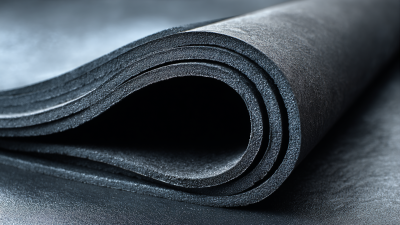
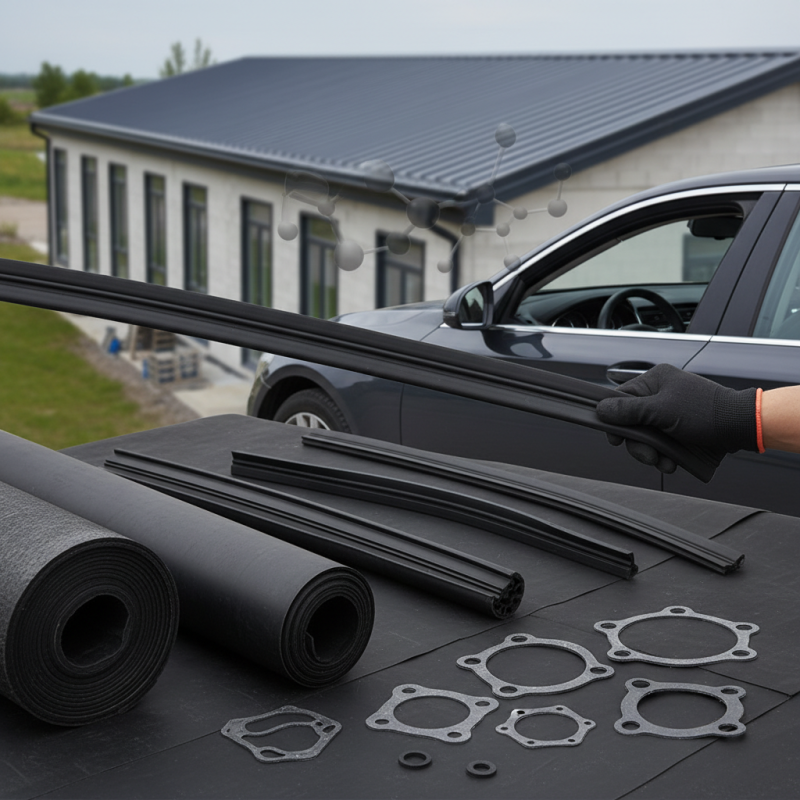
EPDM rubber, or ethylene propylene diene monomer rubber, is a versatile synthetic material. Known for its excellent weather resistance, it endures UV light and ozone exposure. This feature makes it ideal for outdoor applications. The rubber provides flexibility, which is essential in various settings.
In construction, EPDM is widely used in roofing systems. It forms a reliable barrier against water during rain. Its durability and tear resistance contribute to long-lasting installations. In the automotive industry, it also plays a key role. Seals, hoses, and gaskets are often made of EPDM, ensuring they withstand extreme temperatures and pressures.
Despite its strengths, EPDM is not without limitations. For instance, it may not perform well in high-oil environments. This can be a concern in specific industrial applications. Additionally, while it is highly durable, it can be prone to wear in abrasive conditions. Understanding these aspects is crucial for effective usage and selection in various industries.
Chemical Composition and Properties of EPDM Rubber
EPDM rubber, or ethylene propylene diene monomer, is a versatile synthetic elastomer. It is known for its excellent resistance to weathering, UV radiation, and ozone. Its chemical composition consists of ethylene and propylene with diene, which enhances its durability and elasticity. This polymer is widely used in various industries due to its superior properties.
One of the standout features of EPDM rubber is its temperature stability. It remains flexible in extreme heat and cold. This makes it ideal for automotive seals and gaskets. The material can withstand a range of temperatures from -50°C to 150°C. Its waterproof nature also makes it suitable for roofing and automotive applications.
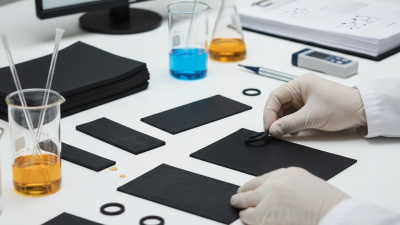
**Tips:** When choosing EPDM for a project, consider the specific conditions it will face. Evaluate the temperature ranges and potential exposure to chemicals. Conducting a compatibility test can prevent long-term failures. Remember, even high-quality rubber needs regular inspections to ensure performance. Neglect can lead to costly repairs or replacements.
EPDM Rubber Applications in Various Industries
Key Applications of EPDM Rubber in Automotive Industry
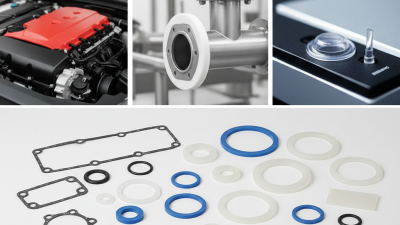
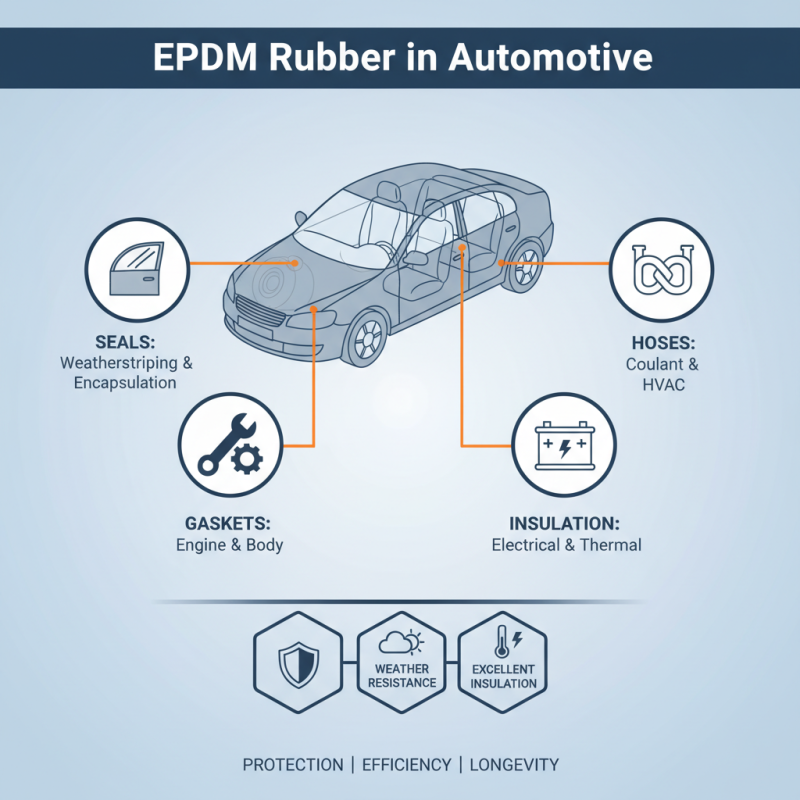
EPDM rubber is a versatile material widely used in the automotive industry. Its unique properties make it an ideal choice for various applications. This synthetic rubber is known for its durability, weather resistance, and excellent insulation. In cars, EPDM is commonly found in seals, gaskets, and hoses. These components protect against leaks and keep the vehicle's environment intact.
A significant application of EPDM is in weatherstripping. This part is essential for reducing wind noise and water ingress. It has a long lifecycle, which helps in maintaining vehicle efficiency. For instance, the use of EPDM in window seals can enhance energy efficiency by reducing air leakage. It is a noteworthy choice for manufacturers aiming for sustainability.
**Tip:** When selecting EPDM products, consider the operating temperature range. This will ensure optimal performance in different climates.
Another application is in automotive hoses that carry coolant or vacuum. EPDM hoses are less likely to crack, which is critical for engine efficiency. However, it's essential to regularly inspect these hoses for any signs of wear, as they can degrade over time.
**Tip:** Regular maintenance can extend the life of EPDM components. Look for reports or guidelines on the lifespan of rubber materials in your vehicle.
Utilization of EPDM Rubber in Construction and Roofing
EPDM rubber, or ethylene propylene diene monomer, is becoming a popular choice in construction and roofing. Its unique properties make it suitable for various applications, especially in weatherproofing. EPDM is known for its excellent resistance to UV rays, ozone, and extreme temperatures. This longevity is particularly advantageous in roofing, where exposure to elements is a constant concern. Many buildings are opting for EPDM membranes to ensure durability and protection against leaks and damage.
In addition to roofing, EPDM is used in construction joints and seals. This rubber material maintains flexibility even in varying temperatures. It can effectively fill gaps, preventing water intrusion. However, the installation of EPDM roofing systems must be executed properly to reap these benefits. Poor application may lead to major problems down the line, such as leaks or early degradation. Additionally, not all EPDM products are created equal, which can lead to performance issues. Proper education and experience in selection and installation are critical for maximizing the benefits of EPDM in construction.
What is Epdm Rubber and Its Applications in Various Industries? - Utilization of EPDM Rubber in Construction and Roofing
| Application Area |
EPDM Rubber Characteristics |
Benefits |
| Roofing Membranes |
Weather-resistant, UV stable |
Durability, long lifespan |
| Piping Systems |
Flexible, high resistance to weather |
Corrosion resistance, longevity |
| Sealants |
Good adhesive properties |
Effective sealing, energy efficiency |
| Automotive Parts |
Heat and ozone resistant |
Safety, reliability |
| Electrical Insulation |
Excellent dielectric properties |
Protection of electrical components |
Environmental Resistance and Sustainability of EPDM Rubber
EPDM rubber, known for its environmental resistance, plays a crucial role across various industries. Its durability against extreme temperatures and weather conditions makes it a popular choice. EPDM does not deform under heat or cold; it remains flexible and functional. This adaptability is especially beneficial in construction and automotive applications.
Manufacturers value EPDM for its sustainability. It is typically derived from petroleum-based products but can also be synthesized from renewable sources. This versatility means reduced reliance on non-renewable resources, addressing some environmental concerns. Moreover, EPDM has a long life cycle, lowering the frequency of replacement.
Tip: Consider using EPDM in roofing systems for its excellent weatherproof characteristics. Long-term investment in materials like EPDM may reduce energy costs.
Despite its many advantages, EPDM is not flawless. Its resistance to certain chemicals can be limited. This may provoke some unexpected failures in harsh environments. Always evaluate environmental factors before selection.
Tip: Consult with experts about the specific applications to get the best performance from EPDM. Engaging knowledgeable professionals can help avoid costly mistakes in material choices.