Why Choose Nitrile Butadiene Rubber for Your Business Needs?
Nitrile Butadiene Rubber is a versatile material widely used across various industries. It is known for its exceptional resistance to oil, chemicals, and abrasion. Businesses often face challenges in selecting the right materials to ensure reliability and performance. Understanding the advantages of Nitrile Butadiene Rubber can help alleviate these concerns.
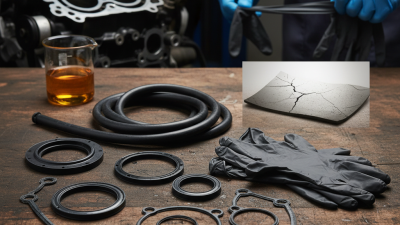
This synthetic rubber offers durability and strength, making it ideal for demanding applications. Its unique properties allow it to withstand extreme temperatures and harsh environments. Companies that rely on machinery benefit from using Nitrile Butadiene Rubber in seals, gaskets, and hoses. These components are crucial for maintaining efficiency and safety.
However, it is essential to consider the specific needs of your application when choosing materials. Not all Nitrile Butadiene Rubber formulations are the same. Different blends may perform better under certain conditions. A thorough evaluation of performance requirements will lead to better decisions. Selecting the right type of Nitrile Butadiene Rubber is vital for optimizing operational performance.
Benefits of Nitrile Butadiene Rubber in Industrial Applications
Nitrile Butadiene Rubber (NBR) is gaining traction in various industrial applications due to its exceptional properties. Research indicates that the global nitrile rubber market is expected to reach $5.2 billion by 2026, driven by the automotive and oil industries. NBR is known for its excellent resistance to oil, fuel, and chemicals, making it ideal for gaskets and seals in harsh environments.
A critical advantage of NBR is its ability to perform in extreme temperatures. It can withstand temperatures ranging from -40°C to 120°C, which is crucial for industries dealing with fluctuating conditions. This flexibility ensures reliability in automotive components and manufacturing processes. A study by the Rubber Manufacturers Association reveals that NBR’s durability contributes to lowering maintenance costs in industrial operations. However, some users have experienced issues with NBR’s performance in certain solvent exposures, highlighting the importance of material selection based on specific needs.
Additionally, its low compression set and mechanical strength make NBR suitable for precision applications. In industries like aerospace and healthcare, where tolerances are strict, NBR provides the durability required. Yet, challenges remain, such as the limited temperature range for prolonged exposure. Businesses must evaluate these factors carefully when integrating NBR into their operations. Understanding the trade-offs will ensure optimal use while meeting industry standards.
Why Choose Nitrile Butadiene Rubber for Your Business Needs? - Benefits of Nitrile Butadiene Rubber in Industrial Applications
| Application |
Benefit |
Temperature Resistance (°C) |
Chemical Resistance |
Durability |
| Automotive Seals |
Excellent oil resistance |
-40 to 120 |
Good |
High |
| Industrial Hoses |
Resistant to abrasion |
-30 to 100 |
Excellent |
Very High |
| Gaskets |
Seals tightly under pressure |
-40 to 120 |
Good |
High |
| Footwear |
Comfort and grip |
-20 to 100 |
Moderate |
Medium |
| O-Rings |
Effective sealing capability |
-40 to 120 |
Good |
High |
Comparison of Nitrile Butadiene Rubber with Other Rubber Types
Nitrile Butadiene Rubber (NBR) stands out in the rubber industry due to its unique properties. Compared to natural rubber, NBR offers superior oil and chemical resistance. This attribute is critical in automotive and industrial applications, where exposure to oils and solvents is common. According to a recent industry report, NBR's tensile strength can exceed 20 MPa, making it suitable for high-performance applications.
When examining silicone rubber, NBR is often favored for its lower cost and better abrasion resistance. While silicone withstands higher temperatures, its performance can falter in oily environments. This gap highlights a crucial consideration when businesses decide which material to use. The versatility of NBR makes it ideal for various products, from seals to gaskets, although it may not perform as well in extreme temperatures when compared to silicone.
Despite its advantages, NBR is often criticized for its lower thermal stability, which can lead to degradation in high-heat applications. This limitation requires careful assessment of operational conditions and potential risks. Choosing NBR demands understanding both its strengths and weaknesses. Balancing these factors is essential for making an informed decision that aligns with specific business needs.
Key Properties of Nitrile Butadiene Rubber for Durability and Performance
Nitrile butadiene rubber (NBR) is a popular choice for various applications due to its remarkable properties. One of its key features is resistance to oils and fuels. This makes it ideal for automotive seals, gaskets, and hoses. Businesses that deal with machinery or transportation should consider using NBR. Its ability to withstand harsh chemicals adds to its importance in industrial settings.
Another significant property of nitrile butadiene rubber is its excellent tensile strength. This means it can stretch and withstand pressure without breaking. NBR is also durable in extreme temperatures, both hot and cold. This versatility allows manufacturers to use it in diverse environments. Some might find its cost a bit higher than alternatives, but the longevity often justifies the investment.
However, not everything is perfect. While NBR performs well in many scenarios, it may degrade faster in certain ozone-rich environments. It's crucial for businesses to evaluate their specific needs carefully. Choosing the right material can enhance performance and ensure longevity. Understanding the properties of nitrile butadiene rubber helps in making informed decisions.
Applications of Nitrile Butadiene Rubber Across Various Industries
Nitrile Butadiene Rubber (NBR) is widely used across many sectors. Its durability and resistance to oils make it ideal for automotive applications. For example, NBR gaskets and seals prevent leaks in engines and fuel systems. These components ensure vehicles run smoothly and efficiently. They withstand extreme temperatures and harsh chemicals.
In the medical field, NBR plays a crucial role. Its hypoallergenic properties make it suitable for gloves used in healthcare settings. These gloves protect both patients and healthcare workers. They are resistant to punctures and provide a good grip. However, not all NBR products are created equal. Quality can vary, and testing is essential.
Tips: When selecting NBR products, consider your specific needs. Evaluate the operating conditions and required resilience. Ensure the supplier uses high-quality materials. This careful selection can lead to significant long-term savings. Also, review the lifespan of products to avoid unexpected replacements. An informed decision is always beneficial.
Applications of Nitrile Butadiene Rubber Across Various Industries
Cost-Effectiveness of Nitrile Butadiene Rubber in Manufacturing Processes
Nitrile Butadiene Rubber (NBR) stands out in manufacturing due to its excellent cost-effectiveness. Businesses can lower production costs while maintaining quality. This synthetic rubber offers impressive resistance to oils and chemicals, making it ideal for various applications. Many industries appreciate its durability, which can lead to fewer replacements and repairs.
Tips: Consider the specific needs of your production line. Evaluate the environment where your products will be used. Matching NBR’s properties with your requirements can enhance efficiency.
Additionally, NBR is easy to process. Manufacturers can integrate it smoothly into existing operations. This versatility saves time and reduces labor costs. Its ability to perform under extreme temperatures also enhances product safety and reliability.
Tips: When selecting materials, always assess long-term performance versus upfront costs. Sometimes, investing a bit more initially can lead to greater savings later.