What is Weather Stripping Door Seal and How Does It Work?
Weather Stripping Door Seal is an essential component for any home. It helps to create a barrier against drafts, dust, and moisture. This simple yet effective solution can improve energy efficiency significantly. By sealing gaps around doors, it prevents heated or cooled air from escaping.
Many homeowners overlook this critical detail. They may not realize that a Weather Stripping Door Seal can save money on energy bills. Poor insulation leads to wasted energy and fluctuating indoor temperatures. A few minutes spent installing this seal can have lasting benefits.
However, not every seal is perfect. The choice of material and installation method can vary. Sometimes, homeowners may apply the seal incorrectly, leaving gaps. Regular checks and maintenance are necessary for optimal performance. A Weather Stripping Door Seal is a small investment that can make a big difference.
What is Weather Stripping Door Seal?
Weather stripping door seal is an essential component for improving home energy efficiency. This seal is designed to close the gaps around doors, preventing drafts. According to the U.S. Department of Energy, air leaks can account for 25% to 30% of energy use in residential heating and cooling. By sealing these gaps, homeowners can reduce energy costs significantly.
Different materials are used for weather stripping, including foam, rubber, and vinyl. Each type has its advantages and disadvantages. For instance, foam can compress easily but may wear out faster than rubber. The choice often depends on the specific door type and climate conditions. Some homeowners neglect checking the condition of their weather stripping. A deteriorated seal can lead to increased energy bills and discomfort.
Installation is straightforward, yet many skip it due to perceived complexity. Those who do install weather stripping often report immediate improvements in comfort. It is beneficial but can also require periodic checks and replacements. Not all installations provide the same results, prompting the need for better evaluation methods. Understanding the nuances of weather stripping can lead to more informed choices.
Types of Weather Stripping Materials Used
Weather stripping door seals play a crucial role in maintaining a comfortable indoor environment. Various materials are used for this purpose, each with distinct advantages. Common options include foam, V-strip, and rubber.
Foam is lightweight and easy to install. It’s ideal for irregular gaps but may wear out faster. Rubber, on the other hand, offers durability and better insulation. It can withstand extreme temperatures but might be difficult for some DIYers to install.
V-strip, a flexible plastic material, can be quite effective in sealing gaps on the sides and tops of doors. Its design allows it to compress, ensuring a tight fit. However, it requires careful measuring to ensure a proper application. When you choose materials, consider the climate and the door's usage. Different situations may demand different approaches.
Tips: Before purchasing weather stripping, measure your door gaps accurately. This step is often overlooked and can lead to buying the wrong size. Additionally, ensure surfaces are clean before installation. Dust and debris can hinder adhesion. Experimenting with different materials may also provide insights on what works best in your home. Sometimes, trial and error is the best approach.
How Weather Stripping Works to Improve Energy Efficiency
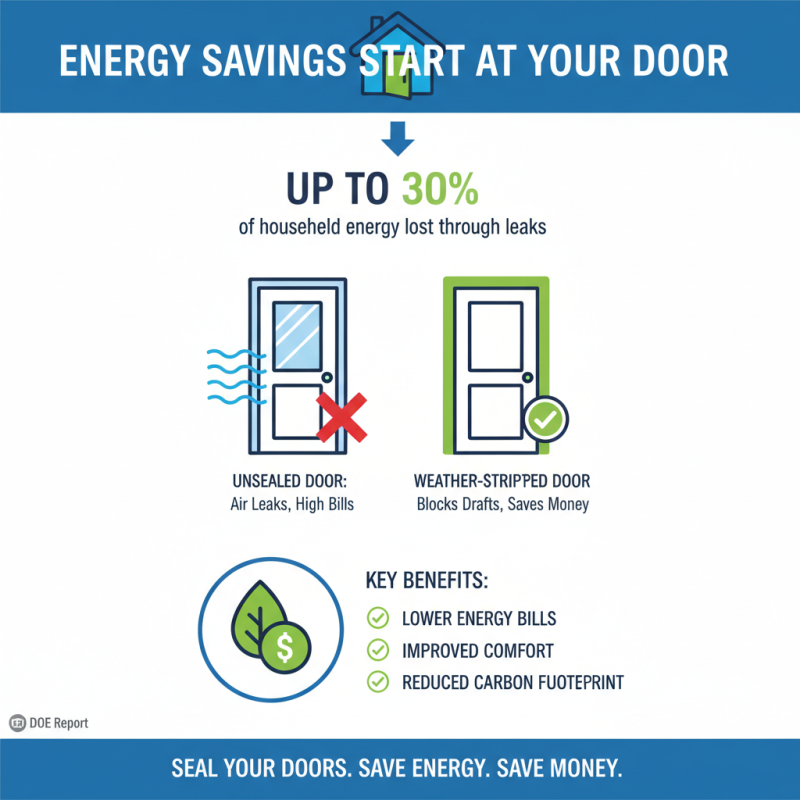
Weather stripping door seals play a crucial role in enhancing energy efficiency. By preventing air leaks, they help to maintain indoor temperatures and reduce energy costs. According to a report by the Department of Energy, up to 30% of household energy use can stem from air leaks around doors and windows. This means that properly sealing your doors can lead to substantial savings over time.
Weather stripping works by creating a barrier against air movement. It can be made from various materials like foam, rubber, or vinyl. These materials compress when the door closes, creating a tight seal. Regular maintenance is essential; seals can wear out or lose their effectiveness. Homeowners should inspect and replace weather stripping as needed.
Tips: Check for gaps by feeling for drafts during colder months. You can also use a simple piece of paper; if you can pull it out easily when the door is closed, it's time to replace the seal. Choosing the right type of weather stripping is crucial. Different seals work better with certain door designs. Make an informed decision; improper sealing can lead to wasted energy, despite the initial investment.
Installation Process of Weather Stripping Door Seals
Weather stripping door seals are essential for energy efficiency in homes. Proper installation enhances insulation and reduces energy costs. A study by the Department of Energy shows that air leakage can account for up to 30% of energy loss in homes. This is a significant figure, highlighting the importance of well-installed weather stripping.
The installation process begins with selecting the right type of weather stripping. There are various materials available, including foam, vinyl, and felt. Each has its advantages and drawbacks. Foam is easy to install but may not last as long as other materials. Before starting, clean the door frame thoroughly to ensure proper adhesion. This step is often overlooked but is crucial for a secure fit.
Next, measure the lengths needed and cut the material accordingly. Applying adhesive is a vital step; poor adhesion leads to gaps and ineffective sealing. Ensure the applied weather stripping is snug but not too tight. Test the door's operation afterwards. An incorrectly installed seal could lead to further issues like door misalignment. A well-executed installation can decrease heating and cooling costs significantly over time.
What is Weather Stripping Door Seal and How Does It Work? - Installation Process of Weather Stripping Door Seals
| Type of Weather Stripping |
Material Used |
Installation Difficulty |
Average Lifespan |
Cost Range (per foot) |
| Adhesive Foam |
Foam |
Easy |
3-5 years |
$0.50 - $1.00 |
| V Strip (V Channel) |
Vinyl or Metal |
Moderate |
5-10 years |
$1.00 - $2.00 |
| Door Sweeps |
Rubber or Vinyl |
Easy |
5-7 years |
$1.50 - $3.00 |
| Magnetic Strips |
Magnet with Rubber |
Moderate |
3-5 years |
$2.00 - $4.00 |
| Compression Seals |
Rubber |
High |
10-15 years |
$2.50 - $5.00 |
Maintenance Tips for Long-lasting Weather Stripping
Maintaining your weather stripping door seal is crucial for energy efficiency. Proper sealing can reduce heating and cooling costs by up to 20%, according to the U.S. Department of Energy. This simple upgrade helps prevent drafts and moisture from entering your home. Regular inspections are key. Check for wear and tear every season.
*Tip: Look for gaps between the door and frame. If you can see light, air can escape.*
To prolong the life of your weather stripping, clean it regularly. Use a mild soap solution to remove dirt and grime. Avoid harsh chemicals that can degrade the material. Additionally, ensure that the strips are properly adhered to the door surface. A small gap can lead to larger drafts.
*Tip: If the seal is sticky, consider applying a graphite powder. It helps keep the seal functioning smoothly.*
If you notice any signs of damage, such as cracks or peeling, replace the weather stripping promptly. An overlooked issue could lead to higher energy bills. Failure to address these problems means wasted resources. Even small leaks can accumulate over time. Maintaining your weather stripping is an ongoing commitment.