What is a Silicone Gasket and How Does it Work?
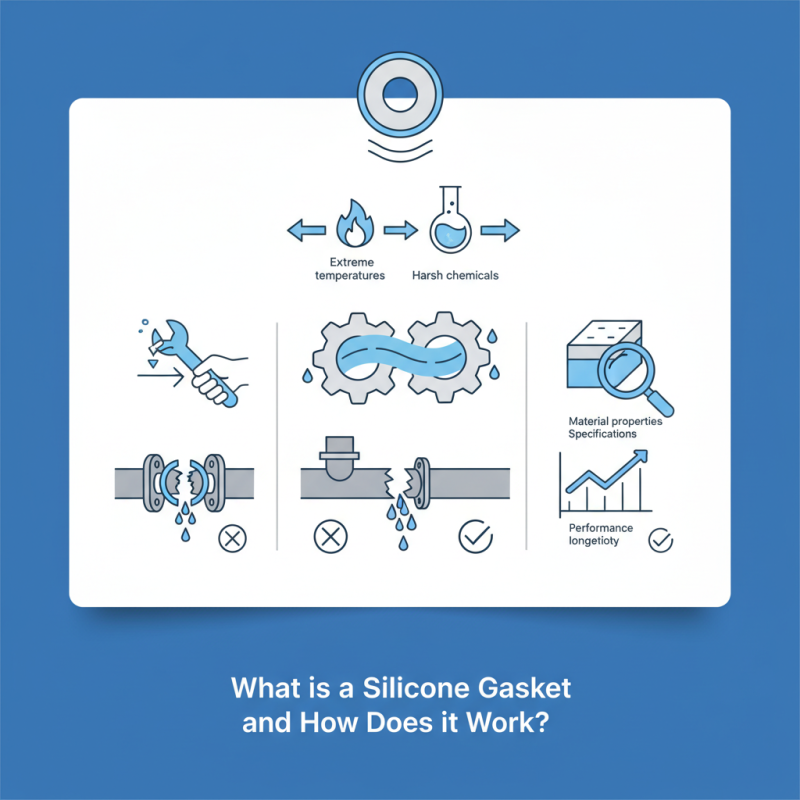
In the realm of industrial applications, the Silicone Gasket plays a crucial role. Renowned expert Dr. Emily Carter notes, "Silicone Gaskets offer unmatched flexibility and durability in various environments." This versatility is key, as these gaskets withstand extreme temperatures and harsh chemicals.
Silicone Gaskets are not just seals; they are vital components. They ensure the integrity of mechanical systems and prevent leaks. However, users often overlook the importance of proper installation. An improperly fitted gasket can lead to numerous issues, including fluid leaks and equipment failures.
Effective usage of a Silicone Gasket requires careful consideration of material properties. The right choice impacts performance greatly. Yet, many fail to review specifications thoroughly, risking the effectiveness of their applications. Understanding how a Silicone Gasket works is essential for maximizing its benefits and longevity.
What is a Silicone Gasket?
Silicone gaskets are vital components in various industries. They are made from silicone rubber, known for its durability and flexibility. This material can withstand extreme temperatures, ranging from -55°C to 300°C. The versatility of silicone gaskets makes them suitable for a range of applications, including automotive, aerospace, and food processing. According to industry reports, the demand for silicone gaskets is expected to grow at a rate of 5% annually through 2025.
These gaskets work by creating a seal between two surfaces to prevent leakage. They also absorb vibrations and provide structural support, enhancing the overall integrity of the assembly. Users should pay attention to installation practices, as improper placement can lead to failures. A poorly installed gasket may not create the necessary seal, causing leaks, which can be costly.
Tips: Always check the surface conditions before installation. Clean surfaces ensure a better seal. Remember, silicone gaskets may wear over time, requiring regular inspections. Inspect for cracks or deformities. Depending on the application, replacing them every few years can save resources.
Key Properties of Silicone Gaskets
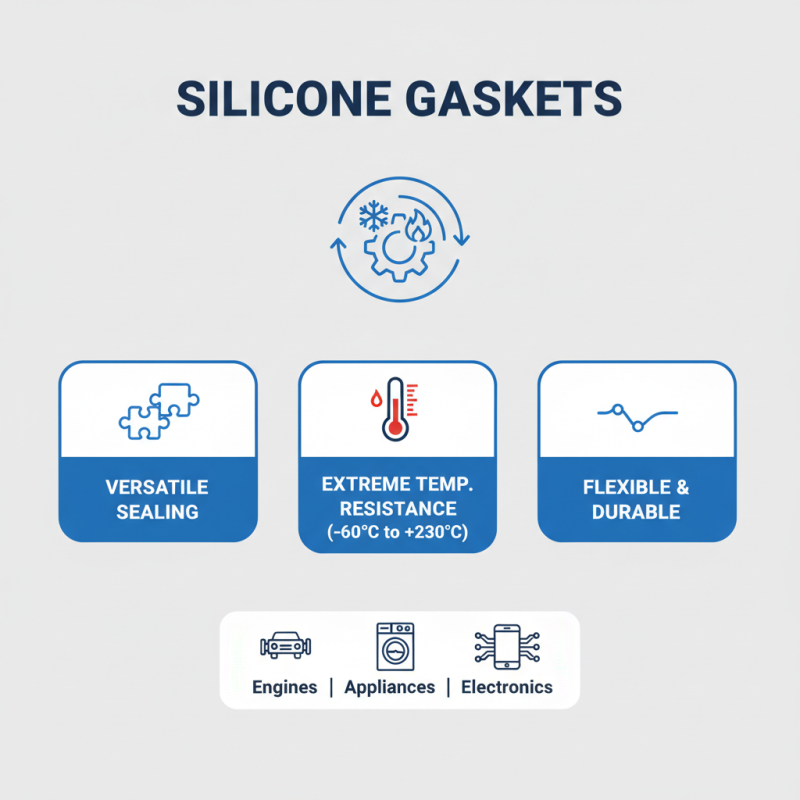
Silicone gaskets are versatile components used in various applications. They are known for excellent temperature resistance and flexibility. These properties make them ideal for sealing joints in engines, appliances, and electronic devices. Silicone can withstand extreme temperatures, both hot and cold, which is crucial for durability.
One key property of silicone gaskets is their chemical resistance. They can endure exposure to oils, fuels, and solvents without degradation. This capability makes them reliable for automotive and industrial uses. Silicone gaskets also have good compressibility. This allows them to create effective seals even on uneven surfaces. They compress easily, filling gaps and preventing leaks.
Tips: When choosing silicone gaskets, consider the temperature range they'll face. Proper sizing is essential for achieving a tight seal. Regular inspection can prevent unexpected leaks. Don't overlook the importance of installation. An incorrectly fitted gasket can lead to failures over time. Always take your time during the installation process. Rushing can lead to mistakes that may be costly later.
Applications of Silicone Gaskets in Various Industries
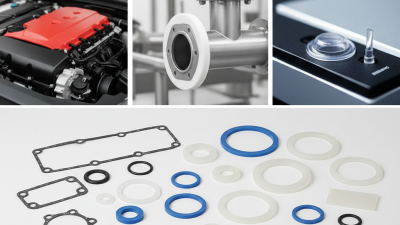
Silicone gaskets are widely used across various industries due to their flexibility and resistance to extreme temperatures. In the automotive sector, silicone gaskets can withstand conditions ranging from -60°C to 230°C. This ensures effective sealing in engines and exhaust systems. According to a recent report from the Global Silicone Gasket Market, the automotive industry alone accounts for approximately 28% of the total silicone gasket demand.
In the pharmaceutical and food industries, silicone gaskets play a vital role in maintaining hygiene. They are non-toxic and easy to clean, making them ideal for applications where contamination is a concern. A study by Market Research Future noted that the food processing industry is expected to grow, increasing the demand for silica-based sealing solutions. This growth reflects the industry's need for durable and safe sealing materials.
The electronics sector also utilizes silicone gaskets for their insulation properties. These gaskets protect sensitive components from moisture and dust. Despite their advantages, the industry faces challenges with silicone degradation under certain conditions, which requires ongoing research and development. Solutions must be found to enhance longevity and performance, balancing cost and quality effectively.
What is a Silicone Gasket and How Does it Work?
| Dimension |
Value |
Application |
Industry |
| Temperature Resistance |
-60°C to 250°C |
High-Temperature Sealing |
Automotive |
| Chemical Resistance |
Excellent |
Oil and Fuel Seals |
Oil & Gas |
| Compression Set |
Low |
Long-Term Sealing Integrity |
Manufacturing |
| Durability |
15+ years |
Environmental Sealing |
Construction |
| Thickness |
1mm to 20mm |
Custom Seals |
Aerospace |
How Silicone Gaskets Work to Create Seals
Silicone gaskets are versatile components designed for sealing. They utilize the unique properties of silicone, such as flexibility and temperature resistance. These gaskets can withstand extreme conditions, making them suitable for various applications, including automotive and industrial uses. According to a report by MarketsandMarkets, the global silicone sealants market is expected to reach $7.6 billion by 2025, showcasing the increasing reliance on silicone for effective sealing solutions.
How do silicone gaskets work to create seals? Essentially, they compress and create a barrier between surfaces. When properly installed, they fill gaps and prevent air, water, and other contaminants from penetrating. This makes them ideal for engines, plumbing systems, and HVAC units. However, it's essential to ensure the correct gasket thickness. Too thick or too thin can compromise seal integrity, leading to leaks or failures.
Tips: Always check the surface conditions before installation. Clean surfaces ensure better adhesion and sealing. If the gasket doesn't fit well, consider redesigning or adjusting components. Small adjustments can make a significant difference in performance. Proper fitting is crucial to avoid future issues. Remember, prevention is cheaper than repairs.
Maintenance and Care for Silicone Gaskets
Silicone gaskets are one of the most durable sealing solutions. However, they require maintenance to ensure reliability. Regular inspection is essential. Check for any signs of wear or deformation. A simple visual check can save you from potential leaks.
Cleaning is also important. Use mild soap and water to avoid damage. Avoid harsh chemicals that may degrade the silicone. After cleaning, dry the gasket properly before reinstallation. Even small amounts of moisture can lead to issues.
It's worth noting that silicone gaskets can lose their elasticity over time. This means they may not seal as effectively. If you notice any loss of shape, consider replacing them. Ignoring these signs can lead to bigger problems down the road.