What is Rubber Molding and How Does It Work?
Rubber molding is a critical process in the manufacturing sector. This technique shapes rubber into various products. Wide applications include automotive parts, seals, and consumer goods. According to a recent industry report, the global rubber molding market is projected to reach $40 billion by 2026. This growth stems from increased demand in various industries.
The process of rubber molding involves forming rubber compounds into desired shapes using molds. This method is efficient and versatile. However, challenges exist. Quality control is essential to ensure that the final product meets specifications. Variations in temperature and pressure can affect the outcome. The industry must continuously adapt and innovate to improve methods.
Many companies overlook the importance of material selection. Choosing the right rubber type is crucial for performance. According to industry experts, not every rubber is suitable for every application. Some materials may degrade over time or fail under stress. This underlines the need for thorough testing and evaluation in the rubber molding process.
What is Rubber Molding? An Overview of the Process and Applications
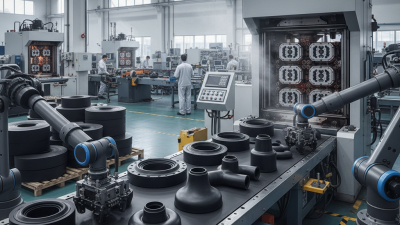
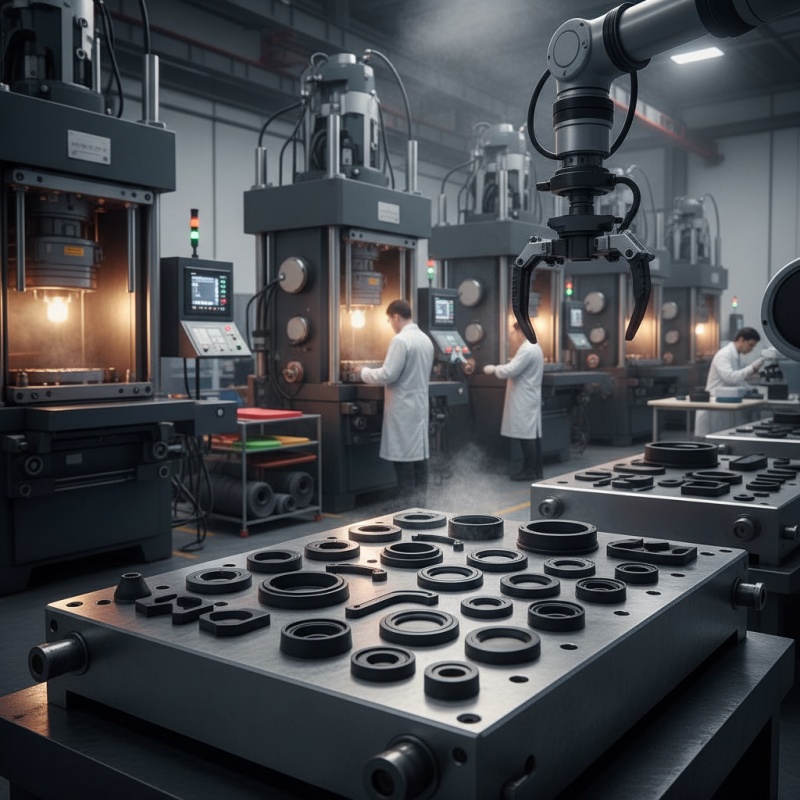
Rubber molding is a fascinating process that involves shaping rubber into specific forms. This technique utilizes both heat and pressure to create rubber products. The process starts with raw rubber, which is heated and placed into a mold. The mold contains a cavity that determines the shape of the final product. Once in the mold, the rubber is curative, undergoing a chemical reaction that solidifies it.
Various applications of rubber molding exist across industries. For instance, it is widely used in automotive parts, seals, and gaskets. These items require durability and flexibility. However, achieving the perfect consistency can be challenging. Sometimes, the final product may not meet the intended specifications. Adjustments in temperature or pressure can lead to different results. This highlights the need for careful calibration and monitoring during the process.
Even though rubber molding is efficient, there are downsides. The process can be time-consuming, especially for complex designs. Additionally, waste can occur if molds are not designed properly. It's crucial to analyze and reflect on these challenges. Learning from past errors can lead to better designs and efficiency. Overall, rubber molding remains a vital method in manufacturing but also requires constant improvement and refinement.
The History and Evolution of Rubber Molding Techniques in Manufacturing
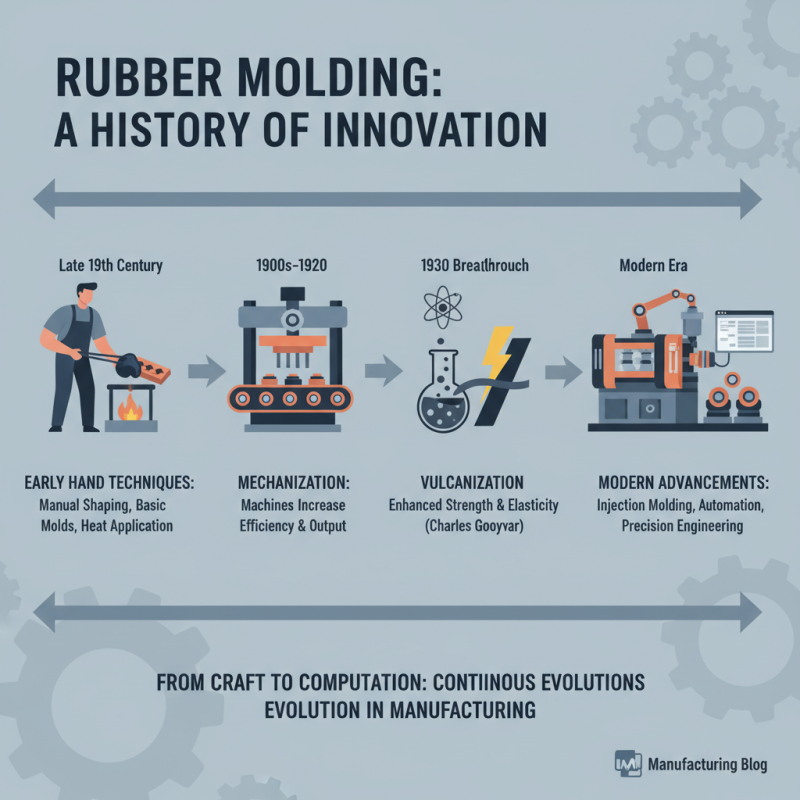
Rubber molding has undergone significant transformation since its inception in the late 19th century. Initially, the process relied on simple hand techniques. Craftsmen would shape raw rubber by heating it and using basic molds. Over time, this method evolved with the introduction of machinery, enhancing production efficiency. By the 1930s, with the advent of vulcanization, a chemical process that improved rubber's strength and elasticity, the industry saw a breakthrough.
Today, rubber molding techniques include compression, transfer, and injection molding. According to a recent industry report, the global rubber molding market was valued at approximately $25 billion in 2023, with expectations to grow steadily. This growth reflects increasing demand across various sectors, such as automotive, healthcare, and consumer goods. However, challenges remain. Many companies still rely on outdated techniques that hinder efficiency. The need for innovation and sustainability is critical.
Despite advancements, the industry faces a skills gap. Many workers lack training in modern techniques. As methods vary widely, consistency often suffers. Improved education and investment in technology could bridge this gap. The journey of rubber molding continues to evolve. Each phase brings new challenges and opportunities to reflect upon.
Key Materials and Equipment Used in Rubber Molding Processes
Rubber molding is a widely used manufacturing process. It involves shaping rubber into specific forms. The key materials used in this process are natural rubber, synthetic rubber, and additives like accelerators and fillers. Each material plays a crucial role in enhancing the properties of the final product.
The equipment used in rubber molding includes injection molding machines, compression molding presses, and vacuum molding systems. These machines help create consistent, high-quality parts. According to industry data, the rubber molding market is expected to grow steadily at a CAGR of 4.5% over the next few years, driven by demand in various sectors.
Tips: Always consider the curing time for different types of rubber. It can vary significantly. Knowing this can save production time. Maintaining your equipment is essential. Poor maintenance can lead to inconsistencies in the products.
The quality of raw materials is vital. Low-grade materials can compromise the integrity of the final product. It's important to reassess suppliers regularly. Sometimes, the best solution is to explore alternative sources. This could lead to better quality and cost savings.
What is Rubber Molding and How Does It Work? - Key Materials and Equipment Used in Rubber Molding Processes
| Material/Equipment |
Description |
Usage in Rubber Molding |
| Natural Rubber |
A rubber material derived from latex sap. |
Used for products requiring elasticity and resilience. |
| Synthetic Rubber |
Man-made rubber produced from petroleum by-products. |
Widely used for varied applications based on specific properties. |
| Compression Molding Machine |
A machine that uses heat and pressure to form rubber products. |
Commonly used for making large, heavy parts. |
| Injection Molding Machine |
A machine that injects molten rubber into a mold. |
Ideal for producing complex shapes efficiently. |
| Curing Agent |
A chemical additive that vulcanizes rubber during processing. |
Essential for enhancing the durability of rubber products. |
| Mold |
A cavity used to shape rubber during the molding process. |
Critical for achieving desired final product shapes. |
A Step-by-Step Guide to the Rubber Molding Process
Rubber molding is a crucial process in manufacturing. It involves shaping rubber into specific forms using molds. The process typically includes several stages: material preparation, heating, and cooling.
During the preparation stage, raw rubber is mixed with additives. This ensures that the rubber meets the desired specifications. According to industry reports, improper mixing can result in defects. This makes close attention during this step essential.
Next, the prepared rubber is heated in molds. This applies pressure and forms the rubber into the desired shape. The curing time is critical and can vary. Too long can lead to hard rubber; too short may cause incomplete molds.
Tips: Always conduct test runs with small batches. This helps identify potential issues early. Also, ensure that your molds are clean and well-maintained to avoid flaws in the final product.
There is no room for error in this intricate process. Each stage demands precision and care to avoid waste and extra costs.
Finally, the cooling phase sets the rubber in its final shape. It’s easy to overlook this stage, but the right cooling time is vital. Insufficient cooling can lead to weak products. Make sure to monitor this phase closely.
Industrial Applications and Market Trends of Rubber Molded Products
Rubber molded products play a significant role in various industries today. The demand for these products is increasing, especially in the automotive and aerospace sectors. Rubber molding allows manufacturers to create precise and durable components, including seals, gaskets, and hoses. Each item is designed to satisfy specific requirements. As technology advances, the methods of rubber molding are evolving.
In recent years, there has been a noticeable shift towards eco-friendly materials in rubber molding. Companies are exploring options that reduce environmental impact while maintaining product performance. Many manufacturers are adopting sustainable practices. This shift can be reflective of consumer preferences for greener products. However, some businesses struggle to fully embrace these changes. Transitioning to sustainable materials can be challenging and costly.
Tips: Consider the life cycle of your rubber products. Evaluate where improvements can be made. Look for local suppliers who offer sustainable materials; this can reduce transportation costs and emissions. Stay informed about the latest trends in rubber molding. Understanding market dynamics can give you an edge in this competitive landscape.