What is a Rubber Gasket and How is it Used?
Rubber gaskets play a critical role in many industries. They provide essential sealing solutions, preventing leakage and ensuring optimal performance. John Smith, a leading expert in gasket technology, once stated, "A well-designed rubber gasket can be the difference between success and failure in critical applications." His words highlight the importance of quality in this field.
Rubber gaskets are versatile. They can be found in automotive, aerospace, and manufacturing sectors. Each application demands a specific type of rubber gasket, tailored to withstand varying pressures and temperatures. The right choice enhances durability and reliability.
However, it's important to acknowledge the challenges in selecting the right gasket. Misjudgments can lead to operational failures. Professionals must carefully analyze material properties and application requirements. Ensuring the right fit is essential for maintaining the integrity of the system. A misstep could compromise safety and productivity, emphasizing the need for expert knowledge in this area.
What is a Rubber Gasket? Definition and Key Characteristics
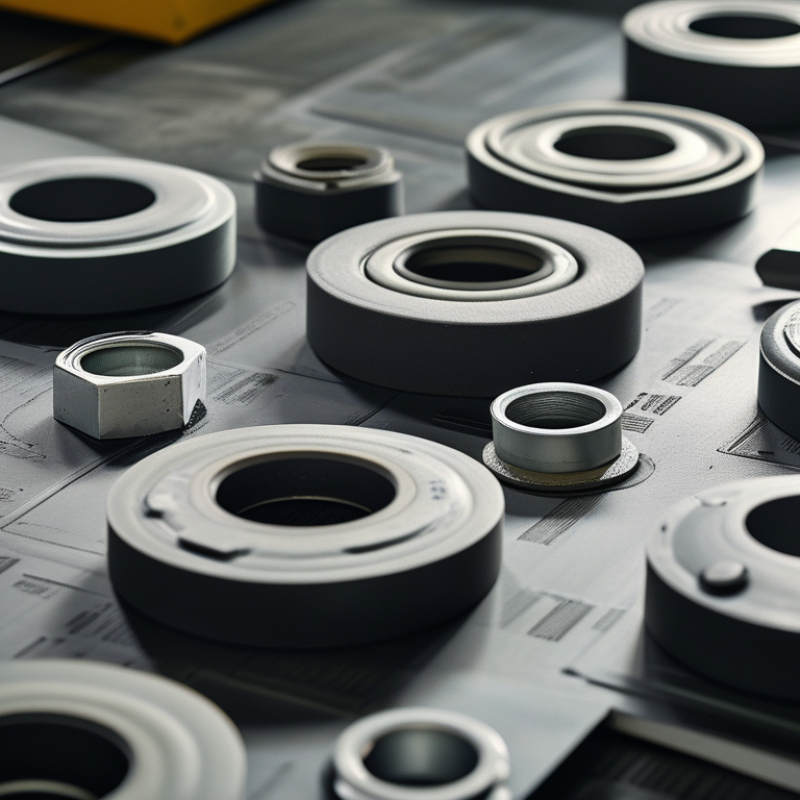
A rubber gasket is a crucial component in various industries. It acts as a seal, preventing leaks in machinery and piping systems. Rubber gaskets are made from materials like natural rubber, neoprene, and silicone. These materials offer flexibility and durability, enabling them to withstand temperature extremes and pressure variations.
One key characteristic of rubber gaskets is their compressibility. This property allows them to conform to irregular surfaces, ensuring a tight seal. According to industry reports, the global gasket market is projected to grow at a CAGR of 4.89% from 2021 to 2026. This growth reflects the increasing need for efficient sealing solutions in automotive and manufacturing sectors.
Proper installation is essential for optimum performance. A poorly installed gasket can lead to leakage. Ensure surfaces are clean before placement. Regular inspections will help identify wear or damage. Keep in mind, even high-quality gaskets can deteriorate over time due to environmental factors.
In summary, understanding the definition and characteristics of rubber gaskets is vital. Their role in ensuring efficient operation cannot be understated. Consider advances in gasket technology when making selections for your projects.
Rubber Gasket Use and Characteristics
Types of Rubber Gaskets: Common Materials and Their Properties
Gaskets play a vital role in various applications, particularly for sealing purposes. Rubber gaskets are made from various materials, each offering unique properties suitable for specific environments. Common materials include neoprene, EPDM, silicone, and nitrile.
Neoprene gaskets are weather resistant, providing excellent durability against the elements. They are suitable for outdoor applications. EPDM is known for its resistance to heat, ozone, and aging. This material is ideal for seals exposed to harsh conditions. Silicone gaskets offer flexibility and temperature resistance, making them perfect for high-temperature applications. Nitrile gaskets, on the other hand, are perfect for oil resistance, commonly used in automotive applications.
When selecting a rubber gasket, consider the environment it will be used in. Think about temperature, pressure, and chemical exposure. Always test a small sample in actual conditions if possible. This can prevent costly errors later. It’s also useful to review specifications provided by manufacturers carefully. Sometimes, they might present information that seems unclear or contradictory. Using the right gasket material can dramatically improve the life of the seal and reduce maintenance costs.
Applications of Rubber Gaskets in Various Industries
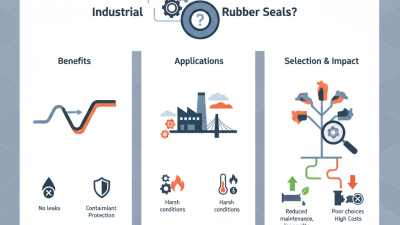
Rubber gaskets play a crucial role in various industries, providing essential sealing solutions. These versatile components prevent leaks and maintain pressure in systems such as plumbing, automotive, and aerospace. In the automotive sector, for instance, rubber gaskets are widely used in engines. They seal the junctions between different engine parts, helping to contain fluids and gases. This ensures optimal performance and prevents oil leaks.
In the plumbing industry, rubber gaskets are found in faucets, pipes, and valves. They ensure a tight seal, preventing water from escaping. Poor-quality gaskets can lead to annoying leaks, prompting homeowners to replace them often. Understanding the material’s durability and environmental resistance is key to selecting the right gasket for your application.
The aerospace industry also relies on rubber gaskets. They help maintain integrity in fuel tanks and hydraulic systems. These gaskets endure extreme conditions, including temperature fluctuations and pressure changes. Choosing the right type of rubber for each specific application requires expertise. Failure to do so can lead to catastrophic results, highlighting the importance of thoughtful selection in any industrial context.
Performance Factors: Temperature and Pressure Ratings for Rubber Gaskets
Rubber gaskets play a crucial role in ensuring effective sealing in various applications. The performance of these gaskets is largely influenced by temperature and pressure ratings. High temperatures can cause rubber to degrade, leading to potential leaks. Likewise, excessive pressure may exceed the gasket's compressive limits, compromising its sealing capabilities.
Understanding the specific performance factors is essential. For instance, a rubber gasket designed for high-temperature environments might not perform adequately under high pressure. It's important to select the right material based on the intended application. Some rubber types are better suited for extreme conditions, while others are not. This selection process can be complex.
Consideration of environmental factors is vital. Gaskets exposed to oils, chemicals, or UV light may degrade faster than expected. Regular inspections and maintenance are necessary, as wear can go unnoticed. Users often overlook these aspects. However, neglecting them can lead to significant operational failures over time. Doing your homework on rubber gasket specifications can make a marked difference. Choosing wisely ensures safety and reliability in your applications.
Installation and Maintenance Best Practices for Rubber Gaskets
Proper installation and maintenance of rubber gaskets are crucial for ensuring optimal performance in various applications. According to industry reports, improper gasket installation is responsible for nearly 30% of leaks in industrial settings. This highlights the importance of following best practices during installation. Start by ensuring that surfaces are clean and free from debris. Use appropriate tools to compress the gasket adequately, avoiding over-tightening, which can lead to deformation.
Regular maintenance can prevent many issues associated with rubber gaskets. Inspect gaskets every six months for signs of wear. Look for cracks, tears, or hardening of the material. The American Society of Mechanical Engineers recommends replacing gaskets at least every 12-18 months in high-pressure applications. Keeping track of installation dates can help manage maintenance schedules effectively.
Improper storage can also compromise gasket integrity. Heat and UV exposure can lead to material degradation. Store gaskets in a cool, dry place, away from direct sunlight. A simple but effective step is to check for the manufacturer’s recommendations on storage conditions. This attention to detail can significantly extend the lifespan of rubber gaskets. Implementing these maintenance best practices will not only enhance reliability but also reduce long-term costs associated with leaks and repairs.
What is a Rubber Gasket and How is it Used? - Installation and Maintenance Best Practices for Rubber Gaskets
| Parameter |
Description |
Best Practice |
| Material |
Commonly made from elastomers such as NBR, EPDM, or silicone. |
Select gaskets based on application compatibility. |
| Temperature Resistance |
Ranges between -30°C to +200°C depending on material. |
Always check temperature specifications before use. |
| Compression Set |
The ability of the gasket to return to its original thickness after compressing. |
Choose materials with low compression set values for durability. |
| Application Area |
Used in plumbing, automotive, and HVAC systems. |
Ensure proper sizing and fit for the specific application. |
| Installation Tips |
Clean all surfaces and use appropriate torque settings. |
Follow manufacturer's guidelines for installation. |
| Maintenance |
Regular inspection for wear and tear is crucial. |
Replace gaskets at the first sign of degradation. |