What is a Rubber Gasket and how does it work?
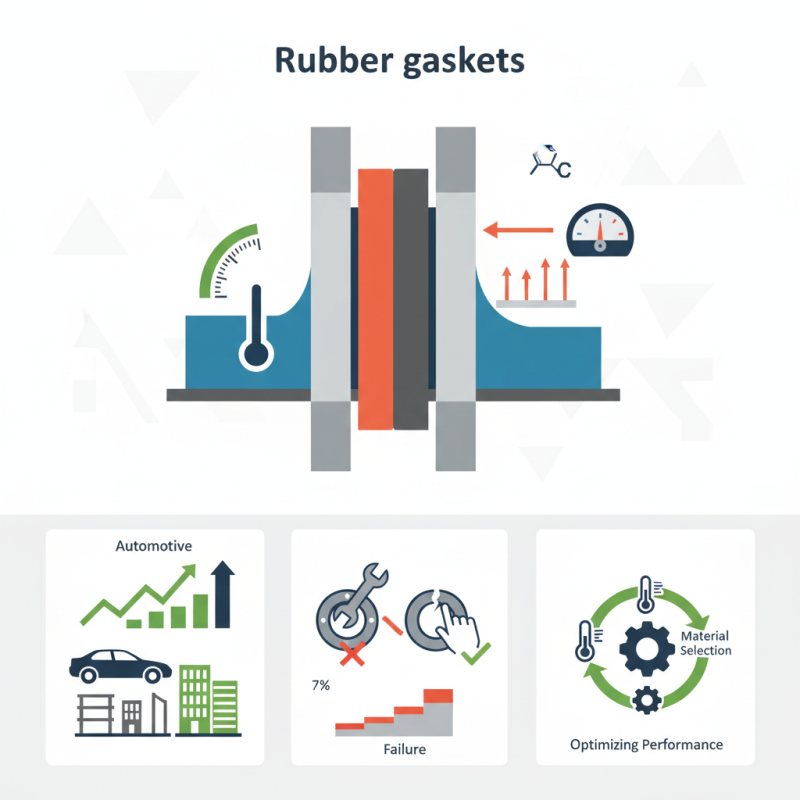
Rubber gaskets play a critical role in various industries, ensuring effective sealing in different applications. A recent industry report indicates that the global rubber gasket market is expected to grow at a CAGR of 5.2% from 2021 to 2028. This growth reflects increased demand from sectors like automotive and construction. Rubber gaskets provide effective solutions for preventing leakage and maintaining pressure in systems.
In manufacturing, rubber gaskets are essential for mechanical assemblies. Their flexibility and durability allow them to withstand pressure and temperature changes. However, improper installation can lead to failures, resulting in costly repairs. An estimated 15% of gasket failures occur due to installation errors. Recognizing the importance of proper technique is crucial in ensuring reliability.
Understanding how rubber gaskets function is key to optimizing performance. These components create a seal by compressing between two surfaces. Yet, environmental factors can influence their lifespan. The selection of material must consider conditions like temperature and exposure to chemicals. This complexity demands careful thought and frequent reassessment in design and application.
What is a Rubber Gasket?
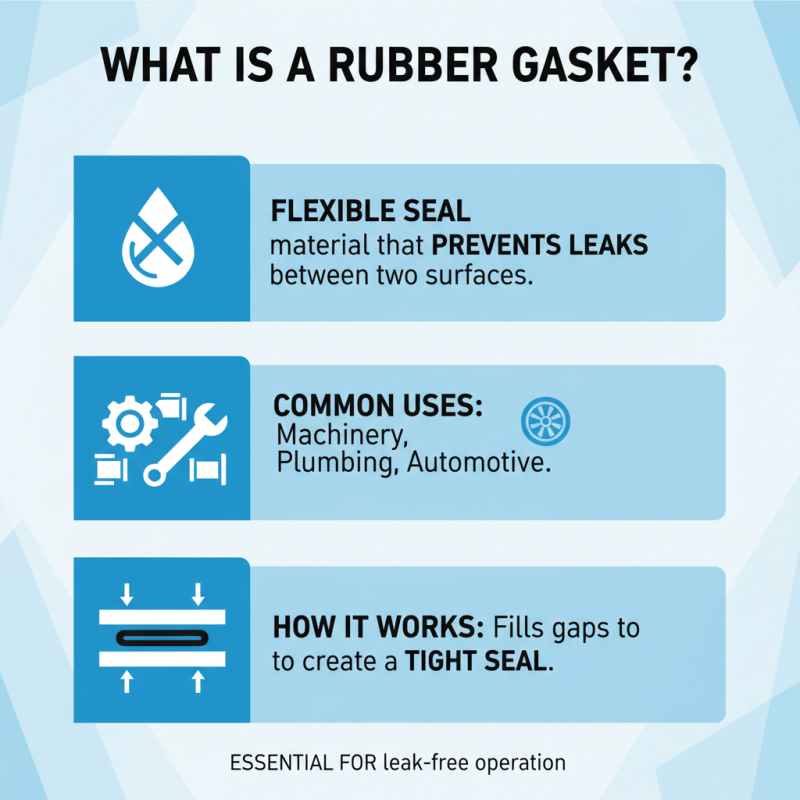
A rubber gasket is a seal made of flexible material. It prevents leaks between two surfaces. Often used in machinery, plumbing, and automotive applications, it plays a crucial role in ensuring tight seals. The structure of a rubber gasket can vary, but it typically features a compressed area that fills gaps between joint surfaces.
When installing a rubber gasket, make sure it fits snugly. An improper fit can lead to leaks. Always check the surface for dirt or damage before installation. This ensures a better seal.
Tips: Choose the right type of rubber for your application. Different environments require different materials. For high-temperature applications, consider silicone rubber. Also, some gaskets may wear out faster than others, so regular inspection is crucial.
In many cases, gaskets provide effective sealing but might fail. This can lead to leakage. Consider the lifespan of your gasket and replace it when necessary. A neglected yet important component could lead to bigger issues down the line.
Types of Rubber Gaskets and Their Applications
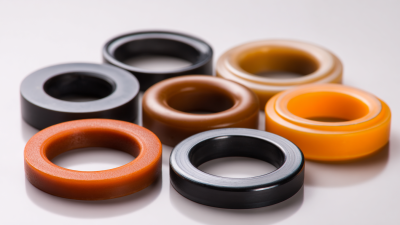
Rubber gaskets play a crucial role in various industries. They provide seals to prevent leaks. Different types of rubber gaskets are suited for specific applications. Knowing these can help in choosing the right one.
Compression gaskets are common in engineering. They are used in automotive applications and machinery. These gaskets regulate pressure and keep fluids contained. They're also found in plumbing systems. With proper sealing, they prevent water damage.
Flange gaskets are vital in pipe connections. These gaskets fit between two flanges. They are essential in chemical industries, keeping corrosive substances from leaking. Make sure to choose a material that resists chemical reactions. Otherwise, leaks may occur.
Tips: Always check the compatibility of rubber with the environment. It’s crucial. Regular maintenance can also prolong the lifespan of gaskets. Sometimes, it’s easy to overlook this step. Small leaks can lead to bigger issues. So, don’t ignore them.
Types of Rubber Gaskets and Their Applications
This chart illustrates the application frequency of different types of rubber gaskets. Neoprene is the most commonly used, with a significant share of applications, followed by EPDM and Nitrile. Silicone and Viton have fewer applications in comparison.
How Rubber Gaskets Work in Sealing Mechanisms
Rubber gaskets play a crucial role in sealing mechanisms. They are designed to create tight seals between two surfaces, preventing the leakage of liquids and gases. When compressed between components, rubber expands to fill gaps. This helps in maintaining pressure and preventing contamination. The flexibility of rubber allows for slight imperfections in surfaces to be compensated for.
The effectiveness of a rubber gasket depends on proper installation. If it is misaligned, it may not seal properly. Over time, wear and tear can also affect its performance. Understanding the specific application is key. For example, in high-temperature situations, certain rubber types perform better.
Moreover, gaskets can degrade due to environmental factors like extreme heat or chemicals. Regular checks are essential to ensure integrity. A small crack can lead to significant issues. Learning how to identify signs of wear is important for maintaining equipment reliability. Thus, while rubber gaskets are highly effective, attention to detail in their use is vital to avoid problems.
Benefits of Using Rubber Gaskets in Various Industries
Rubber gaskets are essential components in many industries. They provide sealing solutions that enhance product reliability. According to a recent industry report, the global rubber gasket market is expected to reach $6.8 billion by 2026, reflecting the growing demand across sectors such as automotive, aerospace, and manufacturing.
In automotive applications, rubber gaskets play a crucial role in preventing leaks. They ensure that fluids do not escape from engines or transmissions. The right gasket can withstand extreme temperatures and pressures. A study highlighted that about 25% of vehicle malfunctions arise from gasket failures. This statistic emphasizes their importance in maintaining vehicle performance.
Rubber gaskets also benefit industries like food and beverage. They are crucial for maintaining hygiene standards. The FDA regulates materials used in food processing. Yet, not all rubber gaskets meet these stringent standards. This inconsistency poses risks for manufacturers. Additionally, companies face challenges in sourcing gaskets that are both effective and compliant. In some cases, lower quality gaskets lead to costly downtime. Ensuring the right choice of gasket can significantly impact operational efficiency and product safety.
Maintenance and Replacement of Rubber Gaskets
Rubber gaskets play a crucial role in many industries, ensuring airtight and watertight seals. However, regular maintenance and timely replacement are essential for optimal performance. Over time, rubber gaskets can degrade due to environmental factors, such as temperature fluctuations and exposure to chemicals. A report from the American Society of Mechanical Engineers highlights that about 20% of gasket failures are due to improper maintenance.
Tips: Regularly inspect gaskets for wear or damage. Early detection can save costs.
Maintenance involves checking the gaskets for cracks, splits, or hardening. Any signs of wear should prompt immediate replacement. The cost of replacement can often outweigh the losses due to leaks or failures. Data indicates that leaks can lead to energy losses of 10-30% in some systems.
Tips: Keep spare gaskets on hand to avoid downtime during emergencies.
In some cases, users overlook the importance of using the right gasket material. Incorrect materials can lead to premature failure. It is vital to assess the specific conditions where the gasket will be installed. Understanding the operating environment can prevent many issues. Users should evaluate their processes regularly. This reflective approach can enhance the longevity and efficiency of rubber gaskets.