What is a Resilient Seated Valve and Its Applications?
In the intricate world of valve technology, a "Resilient Seated Valve" plays a crucial role. As one leading expert in the field, Dr. Emily Carter, states, "Resilient seated valves are essential for efficient fluid control and longevity." This innovative valve design combines a flexible elastomer seat with a metal body, enhancing functionality in various applications.
Resilient seated valves are utilized in water treatment, irrigation, and industrial processes. Their ability to provide a tight seal and withstand pressure changes makes them attractive for many industries. However, even the best designs face challenges. Some may question their long-term durability under extreme conditions. It’s vital to consider maintenance needs and potential limitations.
Experts agree that understanding a resilient seated valve's performance in specific environments is key. Knowing the operational context can prevent failures. The combination of resilience and engineering excellence ensures that these valves contribute to system reliability. As the industry continues to evolve, ongoing evaluations will be necessary, proving that even the best solutions require thoughtful oversight.
Definition and Characteristics of Resilient Seated Valves
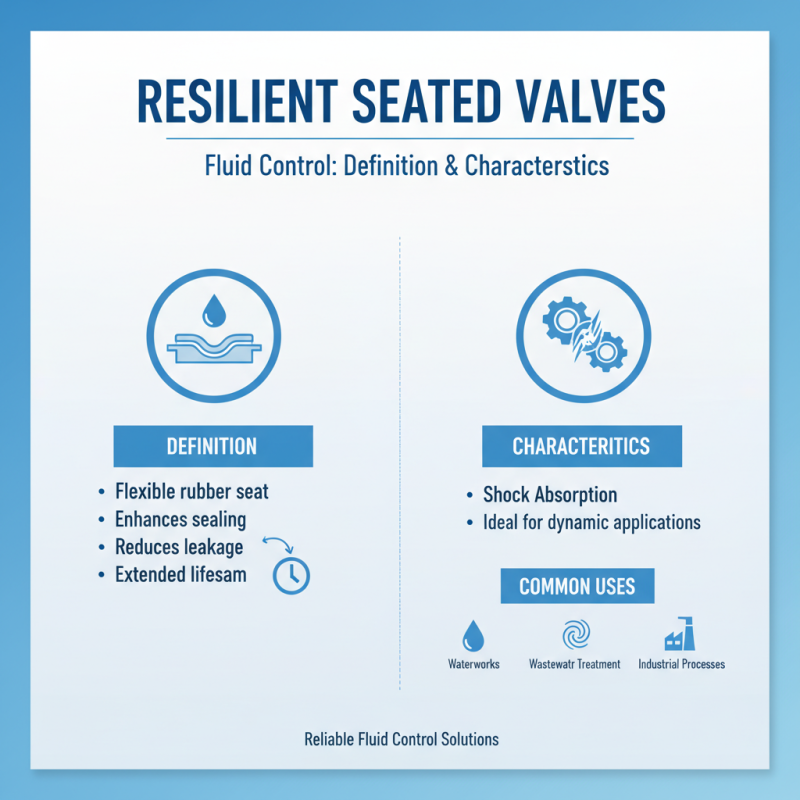
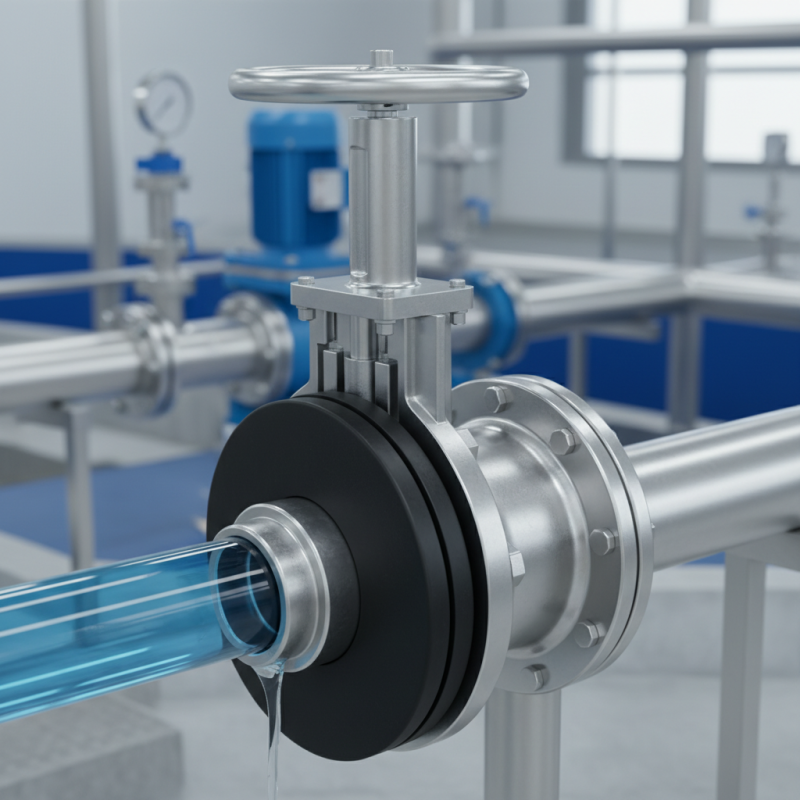
Resilient seated valves are vital components in fluid control systems. They feature a flexible rubber seat that enhances sealing capabilities. This design reduces leakage, extending the valve's lifespan. The rubber seating also absorbs shock, making these valves ideal for dynamic applications. They are commonly used in waterworks, wastewater treatment, and industrial processes.
Choosing the right resilient seated valve can be challenging. Understanding the specifications is essential. Consider pressure ratings and temperature limits before purchasing. Not all valves suit every application. A poor match can lead to issues, from leaks to mechanical failures.
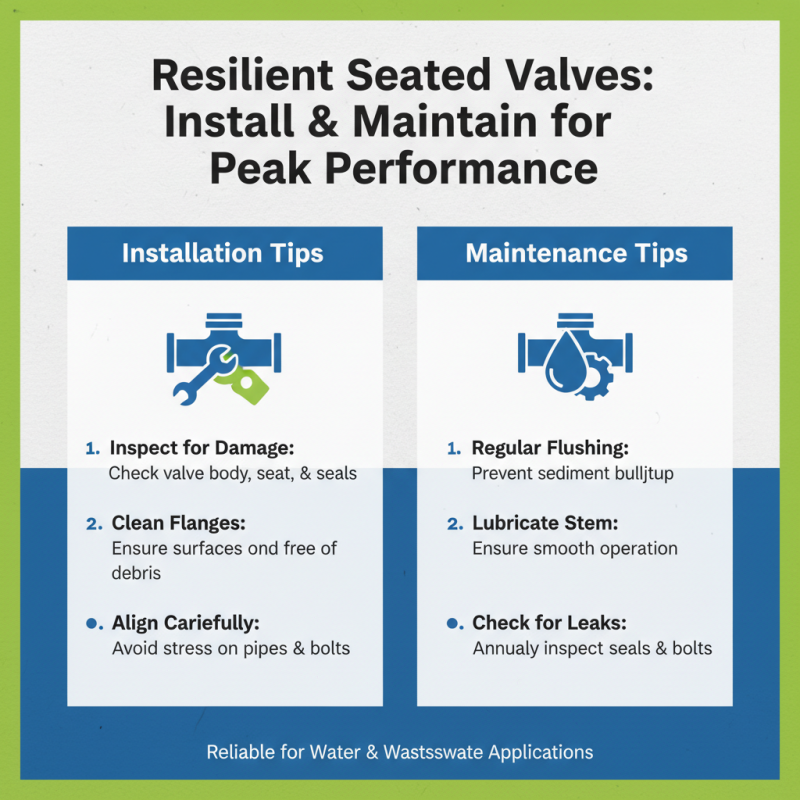
When installing these valves, pay attention to proper alignment. Misalignment may cause the valve to operate inefficiently. Regular maintenance checks can prevent unexpected breakdowns. Inspect seals and seats regularly for wear. A proactive approach enhances reliability and longevity.
Types of Resilient Seated Valves and Their Unique Features
Resilient seated valves are essential in various industries for their durability and performance. They come in different types, each designed with unique features to cater to specific applications.
One common type is the gate valve. It allows for full flow and minimal pressure drop. However, its design can lead to wear over time, affecting its performance.
Another type is the butterfly valve. This valve is lighter and requires less space. It can handle large volumes of flow efficiently. Yet, it may not close as tightly as other options.
Then we have the ball valve, which provides a reliable seal and quick operation. It’s great for on-off control but may struggle with throttling applications.
Lastly, the check valve prevents backflow and can work under varying pressures. Each type has advantages and limitations, reflecting the need for careful selection based on the project requirements. Users must weigh compatibility with their systems against maintenance needs. Understanding these nuances is crucial for effective valve selection and longevity.
Common Applications of Resilient Seated Valves in Various Industries
Resilient seated valves are vital in many industries. They provide reliable sealing and regulate fluid flow effectively. The rubber seat enhances their performance, ensuring minimal leakage. These valves are commonly used in water treatment plants. They control water supply with precision. The ability to withstand harsh conditions makes them ideal for outdoor installations.
In HVAC systems, resilient seated valves manage airflow in buildings. They support climate control by regulating heating and cooling. Their adaptability shines in various applications, like fire protection systems. The valves respond quickly to demand changes, offering safety and efficiency. However, improper installation can lead to failures, requiring careful attention.
The chemical industry also benefits from these valves. They handle corrosive substances with ease. Yet, understanding the specific environment is crucial. Not all materials suit every chemical. Regular maintenance is often necessary to prevent issues. Despite their strengths, resilient seated valves need periodic checks. This ensures that they continue to perform well across different settings.
Applications of Resilient Seated Valves in Various Industries
Advantages of Using Resilient Seated Valves Over Traditional Options
Resilient seated valves have become a popular choice in various industries due to their distinct advantages over traditional options. These valves are designed with an elastomeric sealing surface, which enhances their ability to withstand pressure and climatic changes. According to industry reports, they demonstrate a leak-tight sealing capability of over over 90% even under extreme conditions. This is a significant improvement compared to traditional metal-seated valves, which often struggle with leakage and require more frequent maintenance.
One key benefit of resilient seated valves is their lower operational costs. They typically require less energy to operate, reducing overall utility expenses. Research indicates that the lifecycle costs can be up to 20% lower than that of their traditional counterparts. Moreover, their lightweight design makes them easier to install and maintain, decreasing labor costs. However, it’s worth noting that while these valves offer many advantages, they are not without their challenges. They may wear out faster in abrasive environments, leading to potential reliability issues.
The applications for resilient seated valves are vast, including water distribution and wastewater management. These sectors have increasingly adopted this technology, recognizing its efficiency and cost-effectiveness. However, decision-makers should consider their specific operational contexts before fully transitioning. It is essential to balance the benefits against potential durability concerns in harsh environments.