10 Essential Tips for Choosing the Right Door Gasket for Your Home?
Choosing the right door gasket can significantly impact your home's energy efficiency and comfort. A quality door gasket seals the gap between your door and its frame, preventing drafts and moisture infiltration. This simple yet essential component plays a crucial role in maintaining indoor temperatures and saving on energy costs.
However, selecting the perfect door gasket isn't always straightforward. Many homeowners overlook this detail, thinking any gasket will suffice. There's a variety of materials, sizes, and styles available, which can be overwhelming. Consider the specific needs of your home and the environment it faces.
Understanding the characteristics of various door gaskets can lead to more informed choices. It’s important to reflect on your home's requirements. Take time to assess factors like durability and ease of installation. A wrong choice may lead to frustration and increased expenses down the line. This guide offers essential tips to help you navigate the selection process and find the right door gasket for your needs.
Understanding the Importance of Door Gaskets in Home Energy Efficiency
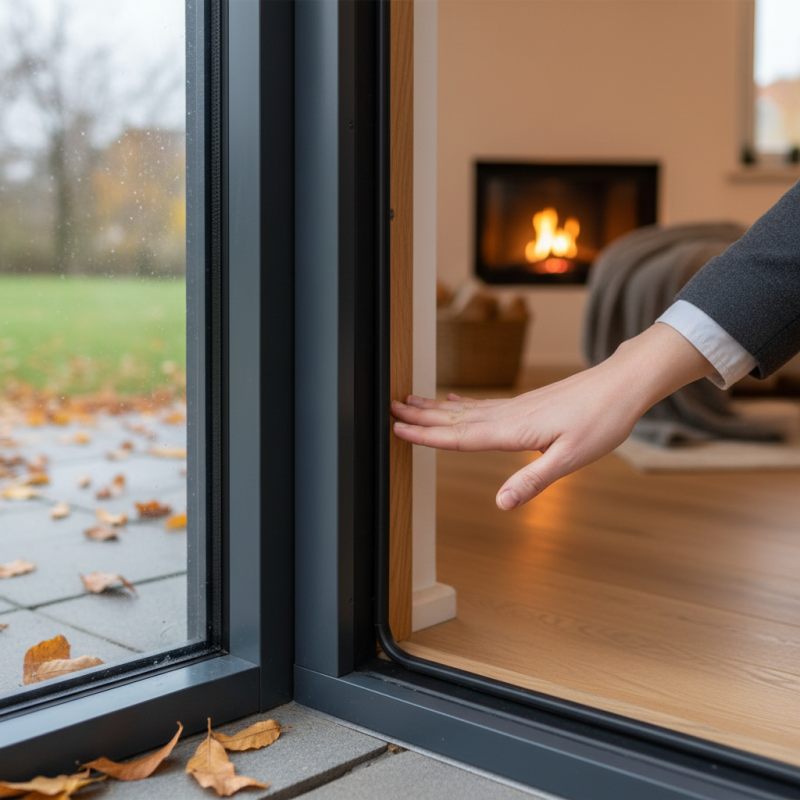
Choosing the right door gasket is crucial for enhancing home energy efficiency. A well-fitted door gasket can reduce air leaks, significantly lowering heating and cooling costs. According to the U.S. Department of Energy, drafty doors can waste up to 30% of your energy use. A simple gasket replacement might be the key to saving on energy bills.
Door gaskets also contribute to indoor comfort. They help maintain consistent temperatures, reducing strain on HVAC systems. This is particularly important in extreme weather. In homes without proper sealing, temperatures can fluctuate widely. Studies indicate that homes with effective gaskets achieve a more stable climate, making living spaces more pleasant.
It is essential to recognize that not all gaskets are created equal. Some may degrade over time, leading to reduced efficiency. Homeowners need to assess their current gaskets regularly. A DIY inspection can reveal wear or damage. Addressing these issues promptly can prevent higher energy costs. Ignoring door gaskets can lead to long-term inefficiencies. Investing time in understanding door gaskets pays off in comfort and savings.
Importance of Door Gaskets in Home Energy Efficiency
This chart illustrates the relationship between the quality of door gaskets and various energy efficiency metrics in a home. Better door gasket quality leads to reduced air leakage, lowering heating and cooling costs significantly while minimizing overall energy loss.
Identifying Different Types of Door Gaskets and Their Uses
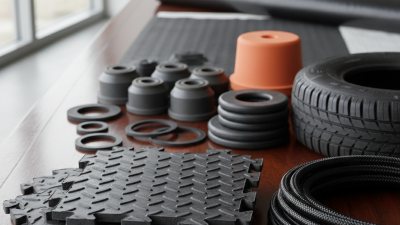
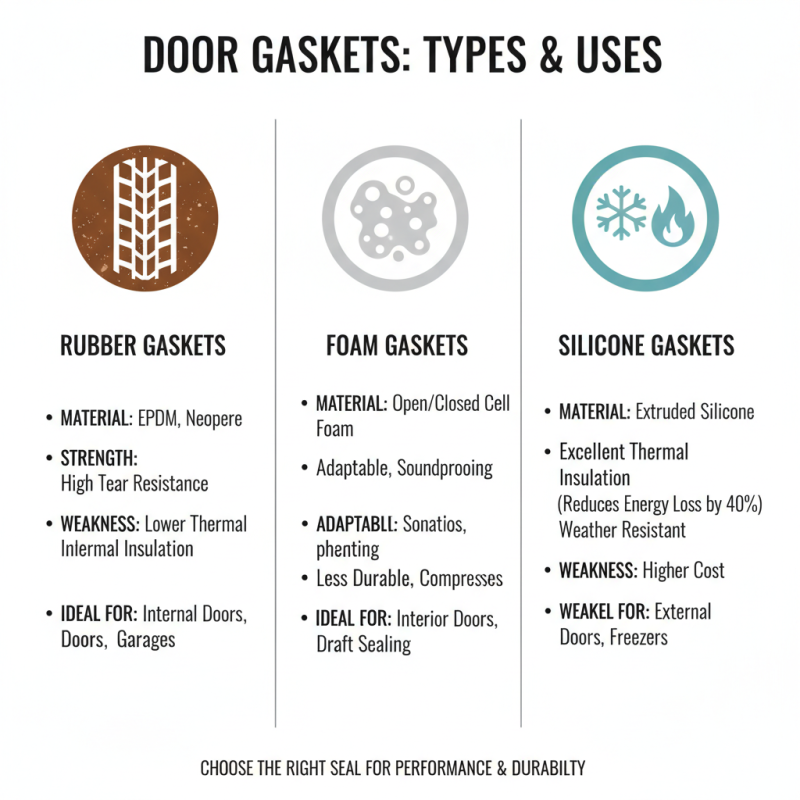
Choosing the right door gasket involves understanding the various types and their specific functions. Door gaskets are typically made from rubber, foam, or silicone. Each material offers distinct characteristics that affect performance and durability. For instance, rubber gaskets excel in tear resistance, but they may not provide the best thermal insulation compared to silicone gaskets. In fact, studies show that silicone gaskets can cut energy loss by up to 40%, making them ideal for external doors.
Foam gaskets, while cost-effective, can degrade faster than rubber and silicone. They are suitable for interior applications or places with less traffic. However, their longevity might be an issue, especially in high-wear areas. Additionally, some homeowners overlook installation methods. A poorly installed gasket can lead to air leaks, which reduces effectiveness. Reports suggest that 30% of energy waste in homes often results from inadequate sealing.
The thickness of the gasket also matters. A thicker gasket provides better insulation but may require more effort to close tightly. Homeowners should consider their specific needs. Balancing cost, durability, and performance is essential. Ignoring these factors could lead to higher energy bills or frequent replacements. Understanding the properties of different gaskets will enhance home comfort and efficiency.
Factors to Consider When Selecting a Door Gasket for Your Climate
Choosing the right door gasket is crucial for maintaining your home’s comfort. Factors like climate should guide your decision. In cold climates, opt for a thicker gasket. This adds insulation, helping to keep warm air inside. Conversely, in warmer areas, a thinner gasket might suffice.
Humidity is another critical factor. If you live in a humid region, consider a gasket made from materials resistant to moisture. This prevents mold and deterioration over time. Pay attention to your door type as well. Exterior doors often require sturdier gaskets than interior ones.
Not all gaskets fit every door perfectly. Misalignment can lead to drafts and energy loss. It’s essential to measure your door accurately before making a choice. Some find the installation process challenging, which can create headaches later. Reflect on your DIY skills. Hiring a professional may save time and ensure a proper fit.
Consider personal needs and local climate specifics to make an informed decision.
Measuring Your Door Accurately for the Perfect Gasket Fit
Measuring your door accurately is crucial for a perfect gasket fit. Grab a tape measure and check both the height and width of your door. Take three measurements for each dimension: top, middle, and bottom for width; left, center, and right for height. This helps account for any warping or inconsistencies in your door frame. If there are slight differences in these values, always use the smallest measurement.
Next, consider the thickness of the door. Measure from the edge to the opposite edge. This detail is vital, as different gaskets will require varying thickness dimensions. Avoid the common mistake of overlooking the door's material, as wood, metal, or fiberglass can affect how the gasket fits. It's essential to think about how the door opens too. Some situations call for a different gasket type based on the door swing. Take all these factors into account for a precise gasket choice. Small inaccuracies can lead to gaps or inefficient sealing, defeating the purpose of the gasket altogether.
Installation Tips for Ensuring Maximum Effectiveness of Your Door Gasket
Choosing the right door gasket is crucial for energy efficiency. Proper installation can enhance its effectiveness significantly. Aligning the gasket correctly with your door frame is essential. This prevents air leaks and improves thermal insulation. A study by the U.S. Department of Energy highlights that sealing gaps can reduce energy loss by up to 30%.
Use a measuring tool to determine the precise dimensions of your door frame. Accurate installation is often overlooked. Any misalignment could lead to gaps, thus compromising its benefits. When cutting the gasket, ensure the edges are straight for a better fit. Some may find this step tedious, but it pays off in long-term savings.
After installation, test the gasket's performance. A simple method is to close the door on a piece of paper. If you can easily pull it out, the fit is not tight enough. This feedback loop helps in re-evaluating your installation. Regular checks are vital to maintain effectiveness. Not all gaskets perform equally; frequent assessments could save on energy bills over time.