Top Duo-Check Valve Suppliers for Global Buyers?
Duo-Check Valves play a crucial role in various industries, ensuring the safe and efficient flow of fluids. According to recent market analysis from Grand View Research, the global valve market is projected to reach $103 billion by 2025. This growth reflects the increasing demand for reliable fluid control solutions.
Top suppliers in this sector provide robust designs that withstand high pressures. Companies like Emerson and Flowserve set industry standards with innovative technologies. Their Duo-Check Valves are known for minimizing backflow, which enhances operational safety. However, not all suppliers maintain the same level of quality.
Buyers must assess the reputation and track record of suppliers. Checking certifications and user reviews can highlight potential issues. Many suppliers boast advanced features but overlook the importance of durability. Choosing the right Duo-Check Valve is essential for operational integrity and cost-efficiency.

Top Duo-Check Valve Suppliers: Market Overview and Key Players
In the dynamic landscape of fluid management, duo-check valves play a vital role. They prevent reverse flow while allowing for efficient operation. Many global buyers seek reliable suppliers to ensure the quality and durability of these components. An understanding of the market can highlight key players who specialize in this niche.
Several factors determine the choice of a supplier. Product reliability is paramount, yet many suppliers grapple with consistency. Buyers often report varying quality among manufacturers. Pricing variability is another challenge, leading to questions about cost-effectiveness versus quality. In this competitive field, it's essential to evaluate each option critically.
Suppliers who prioritize innovation tend to stand out. They invest in advanced technologies and materials. Buyers notice the impact of these advancements on performance. However, not every supplier keeps pace with these changes. Identifying reliable partners in this evolving sector requires thorough research and careful consideration.
Global Demand for Duo-Check Valves: Trends and Growth Projections
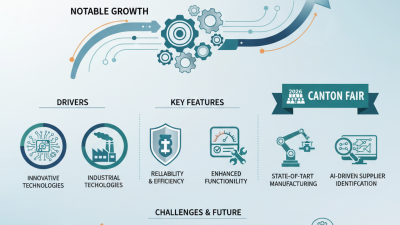
The global demand for duo-check valves is on the rise. These valves play a critical role in various industries. They prevent backflow, ensuring smooth operations. As markets grow, the need for reliable and efficient valves increases. Factors such as industrial expansion and environmental regulations drive this growth.
**Tips:** Consider your operation's specific requirements. Compatibility and efficiency should guide your selection of duo-check valves.
The duo-check valve market is not without challenges. Suppliers must adapt to changing technologies and customer needs. Inconsistent quality can impact overall performance. Therefore, choosing a reputable supplier is essential. Buyers should seek out suppliers who invest in innovation and quality assurance.
**Tips:** Research suppliers thoroughly. Look for companies with a track record of reliability and positive reviews.
Investing in duo-check valves is strategic. Understanding growth projections helps businesses plan better. Monitoring industry trends ensures your equipment meets future demands. It is essential to remain informed and proactive in this evolving landscape.
Top Duo-Check Valve Suppliers for Global Buyers
| Supplier Region |
Market Share (%) |
Sales Volume (Units) |
Growth Rate (2023-2028) (%) |
Key Growth Drivers |
| North America |
25 |
150,000 |
5.5 |
Industrial Automation, Oil & Gas |
| Europe |
30 |
200,000 |
4.8 |
Environmental Regulations, Energy Sector |
| Asia-Pacific |
35 |
250,000 |
6.2 |
Rapid Industrialization, Infrastructure Development |
| Latin America |
5 |
30,000 |
3.0 |
Mining, Water Treatment |
| Middle East & Africa |
5 |
20,000 |
2.5 |
Oil & Gas, Desalination Projects |
Performance Metrics: Evaluating Quality in Duo-Check Valve Suppliers
When selecting a duo-check valve supplier, performance metrics matter. Evaluating quality involves assessing factors like durability, efficiency, and response time. High-quality valves should consistently perform without failure. Look for suppliers who provide clear data on testing standards and certifications. This transparency fosters trust in their products.
Tips: Always ask for performance reports. Review the feedback from existing clients. This can reveal insights into reliability and service quality.
Another vital metric is manufacturing processes. A good supplier should demonstrate advanced technology in production. This often translates to better quality control and fewer defects. Check if they invest in training staff and equipment. Skilled workers make a significant difference in product quality.
Tips: Consider long-term relationships with suppliers. A dedicated partner may offer better ongoing support. Stay updated with production techniques and innovations in valve technology. Regular evaluations can help maintain performance standards.
Performance Metrics of Duo-Check Valve Suppliers
Regional Analysis: Leading Markets for Duo-Check Valve Supply
The duo-check valve market shows dynamic growth across various regions.
North America is a key player, with a projected CAGR of 5.4% through 2027. This growth is driven by the rising demand in the oil and gas industry. The increasing investment in infrastructure upgrades also boosts the market.
Europe follows closely. Countries like Germany and the UK invest heavily in advanced water management systems. A report indicates that about 40% of the European market is driven by industrial applications. Meanwhile, Asia-Pacific sees rapid expansion, with a growth rate of 6.2%.
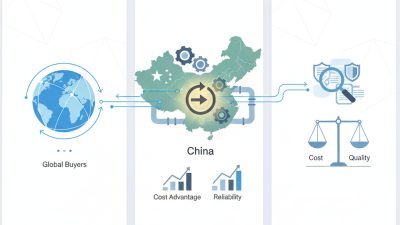
China is leading, attributing growth to urbanization and industrialization. Nevertheless, challenges remain.
Supply chain disruptions have impacted availability and pricing across regions. Notably, there is a lack of standardization in valve design. This can hinder compatibility in global projects. Moreover, regulatory variations in different countries further complicate market dynamics. Addressing these issues will be crucial for suppliers aiming to strengthen their market position.
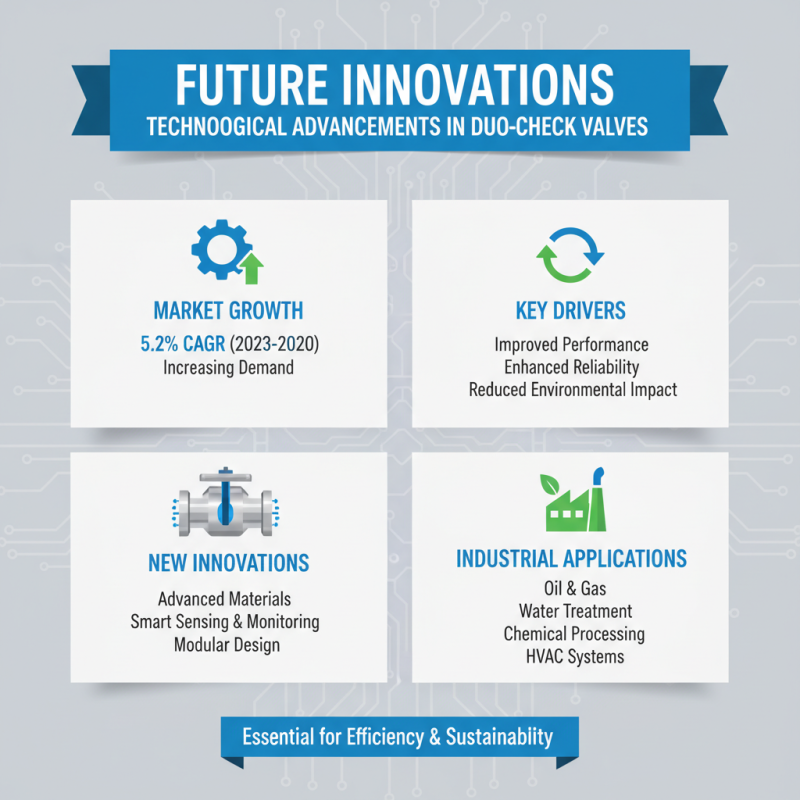
Future Innovations: Technological Advancements in Duo-Check Valves
Duo-check valves are essential components in various industrial applications. Recent advancements in technology are reshaping their design and functionality. The global duo-check valve market is projected to grow at a CAGR of 5.2% from 2023 to 2030, highlighting the increasing demand for reliability and efficiency. New innovations are emerging, driven by the need for improved performance and reduced environmental impact.
Smart valve technology is one key area of development. Sensors integrated into duo-check valves allow for real-time monitoring of fluid flow and pressure. This data enables operators to make informed decisions, potentially reducing downtime. However, challenges remain in ensuring the affordability of these high-tech solutions.
Materials used in valve manufacturing are also seeing significant innovation. Lightweight and corrosion-resistant materials improve durability and performance. Yet, manufacturers face challenges in balancing cost and quality. The need for compliance with industry standards adds another layer of complexity. As innovations continue, the importance of thorough testing and validation cannot be overstated.