How to Choose the Right Check Valve for Your Plumbing Needs?
Choosing the right check valve is crucial for effective plumbing systems. Experts like John Millson, a renowned plumbing engineer, emphasize, “A check valve can make or break your plumbing design.” It ensures fluid flows in one direction, safeguarding systems from backflow.
Consider your specific plumbing needs. Check valves come in various types, such as swing and spring-loaded. Each type serves different requirements and function under unique conditions. Your choice impacts efficiency and longevity. Yet, many overlook these details, leading to potential failures.
Not all options are perfect for every situation. Some check valves may not fit your space or pressure needs. It's essential to evaluate your system carefully. A misstep here could result in costly repairs later. Reflection is key; ask yourself if you're making an informed decision.
Understanding the Functionality of Check Valves in Plumbing Systems
Check valves play an essential role in plumbing systems. They prevent backflow, ensuring that water flows in one direction only. According to industry reports, improper backflow can cause significant damage to plumbing systems, leading to costly repairs. This makes selecting the correct check valve crucial for maintaining system integrity.
When choosing a check valve, understanding its functionality is key. There are various types, including swing, spring-loaded, and diaphragm check valves. Each type serves different applications. For example, swing check valves are ideal for high-flow applications. They have fewer pressure drops. In contrast, spring-loaded valves are more responsive to pressures and quickly close to prevent backflow.
However, selecting a check valve isn't always straightforward. One must consider factors like the fluid type, pressure, and temperature. Data shows that improper sizing of check valves leads to 30% of failures in plumbing systems. As a result, testing and assessing specific needs is essential. Some systems may experience wear and tear more than others, necessitating regular evaluations. Adjustments might lead to better performance in dynamic plumbing environments.
Identifying Different Types of Check Valves and Their Applications
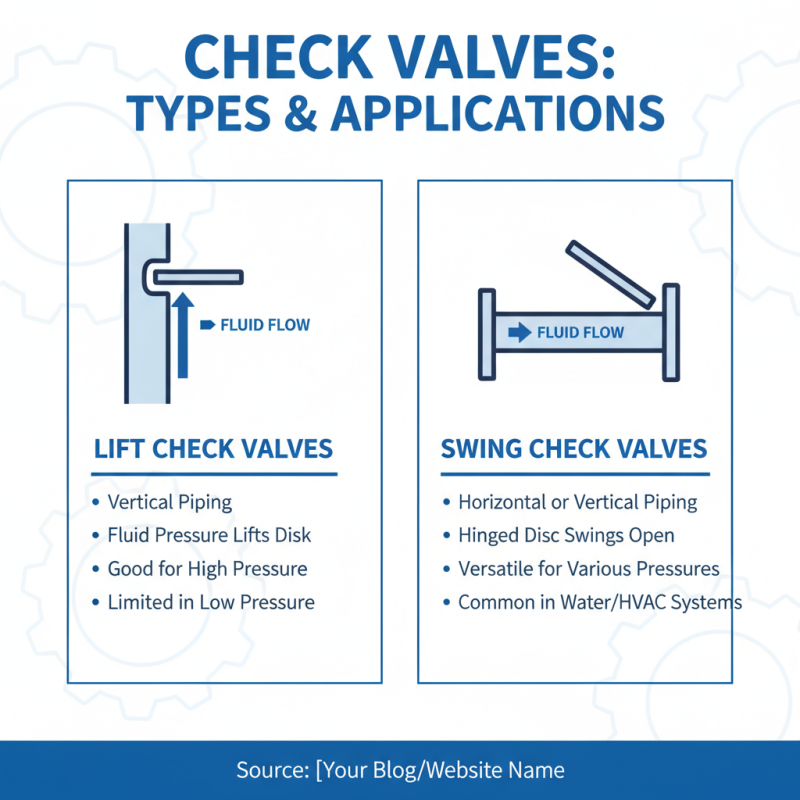
When considering check valves, it's essential to recognize their various types and applications. The two most common types are lift and swing check valves. Lift check valves work well in vertical piping. They rely on fluid pressure to lift the disk, allowing flow. However, they may have limitations in low-pressure situations.
On the other hand, swing check valves utilize a disc that swings open and closed. They are ideal for horizontal installations, providing a tighter seal. This design can sometimes lead to water hammer issues, which can be problematic. It's crucial to assess the specific plumbing conditions before making a choice.
Another option worth exploring is the ball check valve. This type features a ball within a seat. It can handle high-pressure environments effectively. Yet, they can be harder to maintain and replace. Each type comes with advantages and disadvantages. Understanding your unique plumbing needs is vital for selecting the right valve. This choice may affect your system's efficiency and longevity.
Factors to Consider When Selecting a Check Valve for Your Needs
When selecting a check valve for plumbing needs, several factors are crucial. First, consider the flow direction. Check valves are designed to allow flow in one direction only. Incorrect selection can lead to backflow issues. Notice how the valve is installed; it should match your system's flow requirements.
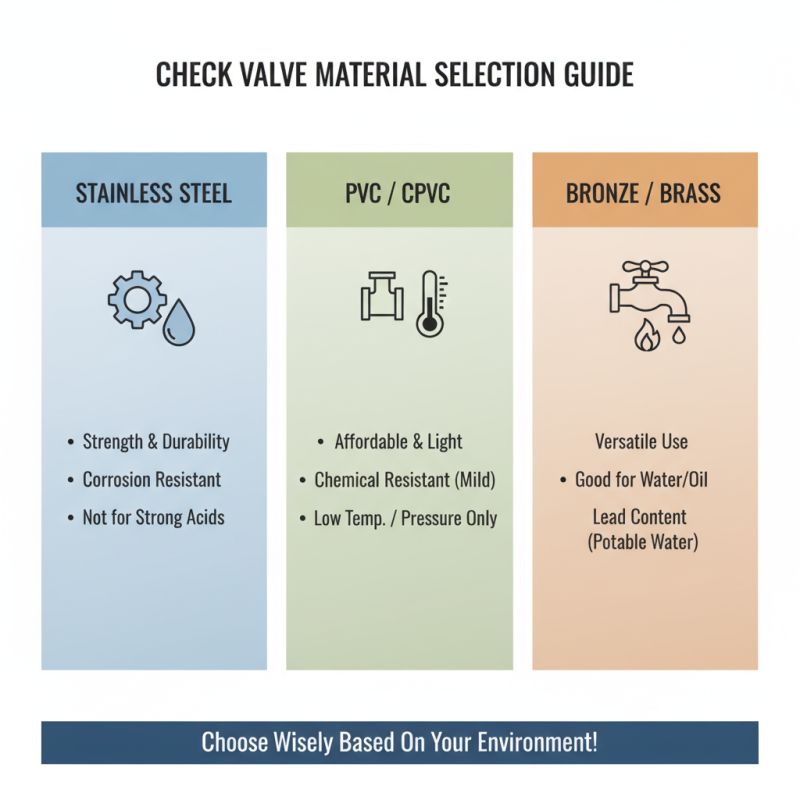
Next, think about the material. Common choices include brass, stainless steel, and plastic. Each material has its pros and cons, depending on environment and pressure. For example, plastic is lightweight but may not withstand high temperatures. Stainless steel, while durable, can be heavier and costlier.
The size of the valve matters too. A valve too large may cause pressure drops. Conversely, a valve that is too small can restrict flow and damage the system. Make sure to measure carefully. Additionally, look at the pressure ratings. If the valve can't handle the pressure, it might fail.
Finally, installation considerations are essential. Some valves are easy to install, while others require more effort. Always read the specifications for guidance. Keep in mind that mistakes can happen—a miscount on size or pressure ratings can lead to costly repairs.
How to Choose the Right Check Valve for Your Plumbing Needs? - Factors to Consider When Selecting a Check Valve for Your Needs
| Dimension |
Material |
Pressure Rating |
Size |
Application |
| 1 inch |
Brass |
150 psi |
1 inch |
Water Supply |
| 2 inch |
PVC |
130 psi |
2 inch |
Drainage |
| 3 inch |
Stainless Steel |
200 psi |
3 inch |
Hydraulic Systems |
| 4 inch |
Cast Iron |
250 psi |
4 inch |
Waste Transfer |
| 6 inch |
Aluminum |
150 psi |
6 inch |
Chemical Processing |
Evaluating Material Options for Check Valves Based on Environment
Choosing the right check valve for plumbing projects requires understanding the environment where it will be installed. Different materials react uniquely to varying conditions. For example, stainless steel is a popular choice for its resistance to rust and corrosion. However, it may not perform well in highly acidic environments. PVC is lighter and cheaper, but may not withstand high temperatures.
When deciding on the material, consider the surrounding factors like temperature, pressure, and the type of fluid. In a recent industry report, 40% of valve failures were linked to material compatibility issues. Ensuring proper material selection is essential for optimal performance.
Tips: Always assess your plumbing environment. This includes checking temperature ranges and chemical exposure. Pay attention to the long-term durability of the material. Sometimes, the cheapest option can lead to costly repairs later.
It’s also crucial to evaluate installation conditions. Some materials are easier to install but might not be the best fit for your specific needs. A check valve that works perfectly in one scenario may fail in another. Make informed, case-by-case decisions to ensure reliability.
Maintaining and Troubleshooting Common Issues with Check Valves
Check valves are essential in plumbing systems. They prevent backflow, which can cause contamination. However, they can also malfunction. Regular maintenance is key to avoiding costly repairs. According to industry reports, nearly 25% of plumbing issues stem from faulty check valves. Simple steps can help.
Inspect your check valves regularly. Look for visible wear and tear. Listen for unusual sounds when water flows. If a valve is stuck, it may need cleaning or replacement. Cleaning can often resolve minor issues. However, if the problem persists, consider consulting a professional. Remember, a faulty valve can lead to significant water damage.
Tips: Always replace seals and gaskets when fixing check valves. This prevents leaks and ensures longevity. If a valve is frequently failing, consider its installation location. Sometimes, they are installed incorrectly, leading to repeated issues. Addressing installation errors can save time and resources. Regular checks can minimize headaches down the road.
Check Valve Selection and Common Issues