How to Choose the Right Butterfly Valve for Your Needs?
When selecting a Butterfly Valve, expertise is key. Renowned industry expert, Dr. Emily Carter, emphasizes, “Choosing the right valve can significantly impact system efficiency.” This assertion holds true across various applications, from water treatment to oil and gas. A Butterfly Valve functions differently than other valves. Its design allows for quick shut-off and precise flow control.
Understanding your specific needs is crucial. Are you handling high-pressure systems? Or do you need something for low-flow operations? Each scenario requires a tailored approach. Variants of Butterfly Valves exist, including resilient seated and metal seated types. Not every option suits every application. Consider the materials and potential corrosiveness of your fluids.
The importance of reliability cannot be overstated. You need a valve that won't fail under pressure. However, it is easy to overlook minor details that lead to costly errors. Take the time to research and consult professionals. Making informed choices is vital for long-term success in your projects.
Understanding the Basics of Butterfly Valves
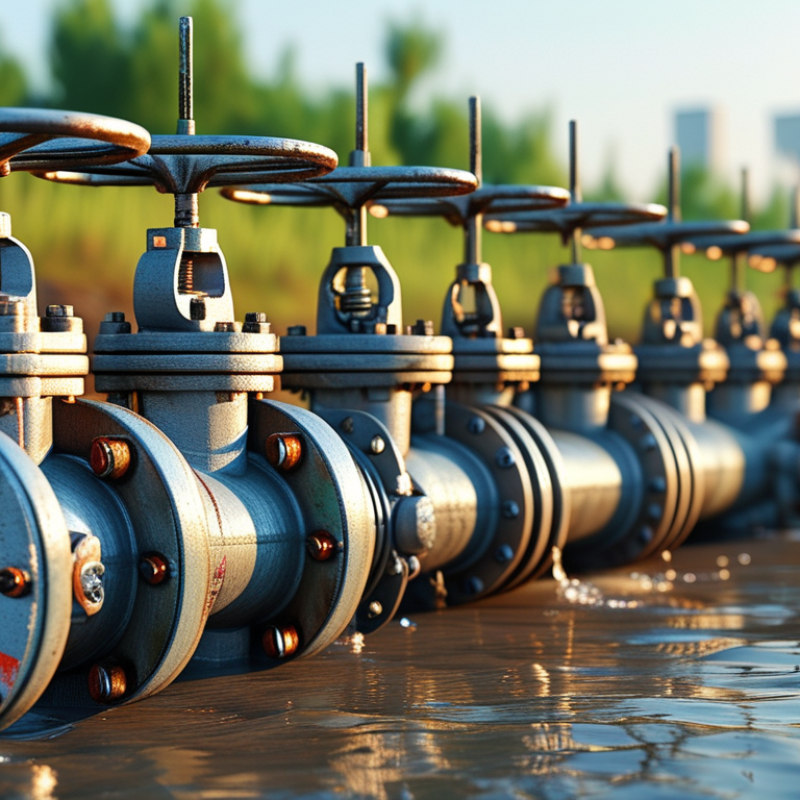
Butterfly valves are essential components in many industrial applications. They are favored for their simple design and reliable performance. Understanding their basic features helps in making the right choice for your needs. These valves consist of a disc that rotates to control flow. This mechanism provides quick shut-off and is ideal for various fluids.
When selecting a butterfly valve, consider the type of media it will handle. Different materials are available for construction, like stainless steel and plastic. It's crucial to evaluate the pressure and temperature conditions too. A valve that works well in one setting might fail in another.
Don't overlook the importance of size and installation. Ensure the valve fits appropriately in your system and matches your piping. Inadequate sizing can lead to problems, such as increased wear or insufficient flow control. Reflecting on these details will guide you to make a well-informed decision, avoiding potential issues later on.
Identifying Your Specific Application Needs
Choosing the right butterfly valve starts with understanding your specific application needs. Different environments require different solutions. For instance, consider the type of fluids in your system. Is it a corrosive chemical or simply water? The material of the valve must withstand the medium it will handle.
Tips: Evaluate the temperature ranges and pressure levels. Ensure the valve can operate within those limits. Next, think about the installation space. Some valves require more room for operation than others. Assess how much room you really have.
Don't forget to evaluate the flow control requirements. Will the valve be fully open, or do you need precise adjustments? Some applications demand a fine control mechanism. Others may work fine with a simple on-off design. Make sure to reflect on your needs before making a choice.
Tips: Consult with a specialist for insights. They can offer a wealth of knowledge. Check industry standards as well. Knowing these can help narrow down your options.
Evaluating Material Options for Durability and Compatibility
Choosing the right butterfly valve involves understanding material options that impact durability and compatibility. Many industries use stainless steel, PVC, and cast iron. Each material offers unique benefits and challenges.
Stainless steel is favored for its corrosion resistance and strength. According to a comprehensive industry report, it lasts longer in harsh environments, reducing maintenance costs. However, it can be more expensive initially, which may deter some project managers. PVC, while lighter and often more affordable, is less durable in high-temperature situations. This compromises its use in certain applications.
Cast iron provides excellent durability and load-bearing capacity. Yet, its weight makes installation challenging and can lead to additional support structure costs. Evaluating these materials requires considering the specific conditions of your application. Ignoring this could result in premature failure or costly repairs. Prioritizing compatibility with existing systems should not be overlooked, as mismatched materials can lead to leaks or system inefficiencies.
Analyzing Different Valve Designs and Their Functional Benefits
When selecting a butterfly valve, understanding different designs is crucial. A common type is the sanitary butterfly valve. It offers easy cleaning and maintenance. Reports indicate that these valves are vital in industries like food processing. They prevent contamination and ensure product integrity.
Another popular design is the pneumatic actuated butterfly valve. It provides quick response times and precise control. According to industry studies, this type can improve energy efficiency in various applications. However, users should consider installation complexity and long-term maintenance costs.
Some designs may have limitations. For example, the rubber-seated butterfly valve is cost-effective but may wear out quickly in high-pressure scenarios. Users should weigh these factors carefully. They often overlook how valve materials impact durability. Material selection can govern the valve's lifespan and reliability under extreme conditions.
How to Choose the Right Butterfly Valve for Your Needs?
| Valve Type |
Material |
Size Range (inches) |
Pressure Rating (PSI) |
Functional Benefits |
| Wafer Butterfly Valve |
Cast Iron |
2 - 48 |
150 |
Lightweight, easy installation, cost-effective |
| Lug Butterfly Valve |
Stainless Steel |
3 - 36 |
200 |
Bi-directional flow, allows for inline maintenance |
| Double Flanged Butterfly Valve |
Ductile Iron |
4 - 60 |
250 |
Enhanced sealing capabilities, high durability |
| Flanged Butterfly Valve |
PVC |
1 - 12 |
150 |
Corrosion-resistant, lightweight, economical for smaller sizes |
| Electric Butterfly Valve |
Aluminum |
2 - 24 |
300 |
Automated operation, precise flow control |
Considering Installation and Maintenance Requirements
When choosing a butterfly valve, installation and maintenance matter significantly. Proper selection can simplify both processes. For instance, the valve size should correspond to your pipeline dimensions. A mismatch can cause leaks or reduce efficiency. Ensure you have adequate space for installation. Accessibility is also important for future maintenance.
Think about the valve's material. Some materials are more suited for specific environments. Corrosion-resistant options are ideal for harsh conditions. Weigh the pros and cons. Installation might require special tools or setups, which can complicate matters. Also consider the long-term maintenance needs. Regular inspections are crucial. Neglecting these can lead to performance issues.
Some may overlook the importance of choosing the right actuator. An improper choice can hamper valve responsiveness. Automation increases efficiency but requires additional training. Maintenance routines should include actuator checks to ensure longevity. Reflect on these factors during your decision-making process.