How to Choose the Right Center Line Valve for Your Project?
Choosing the right Center Line Valve for your project can be challenging. These valves play a crucial role in fluid control systems. They must align well with your project needs to function effectively.
When selecting a Center Line Valve, consider factors like size and pressure ratings. Each project is unique, so a one-size-fits-all approach often fails. Take time to assess your specific requirements. Are you dealing with high temperatures or corrosive materials? These details matter significantly.
Mistakes can be costly. Opting for an unsuitable valve may lead to inefficiencies. It is essential to evaluate different options thoroughly. Let’s explore key aspects that influence your decision-making process. The right choice can enhance system performance and reliability.
Understanding the Types of Center Line Valves in Industrial Applications
When selecting a center line valve for industrial applications, understanding the different types is crucial. Center line valves are often favored for their ability to maintain a streamlined flow. This feature reduces turbulence and ensures efficiency. Common types include ball valves, butterfly valves, and gate valves, each serving unique needs. For example, ball valves offer tight sealing, making them ideal for shut-off applications. Butterfly valves are lightweight yet robust, often chosen for larger pipelines.
The choice of valve material is equally important. Stainless steel and plastic are popular options. Stainless steel is robust and suitable for high-pressure environments. In contrast, plastic valves can resist corrosion in harsher chemical settings. Yet, choosing the right material can be tricky. Users sometimes overlook compatibility with the media, leading to potential failures.
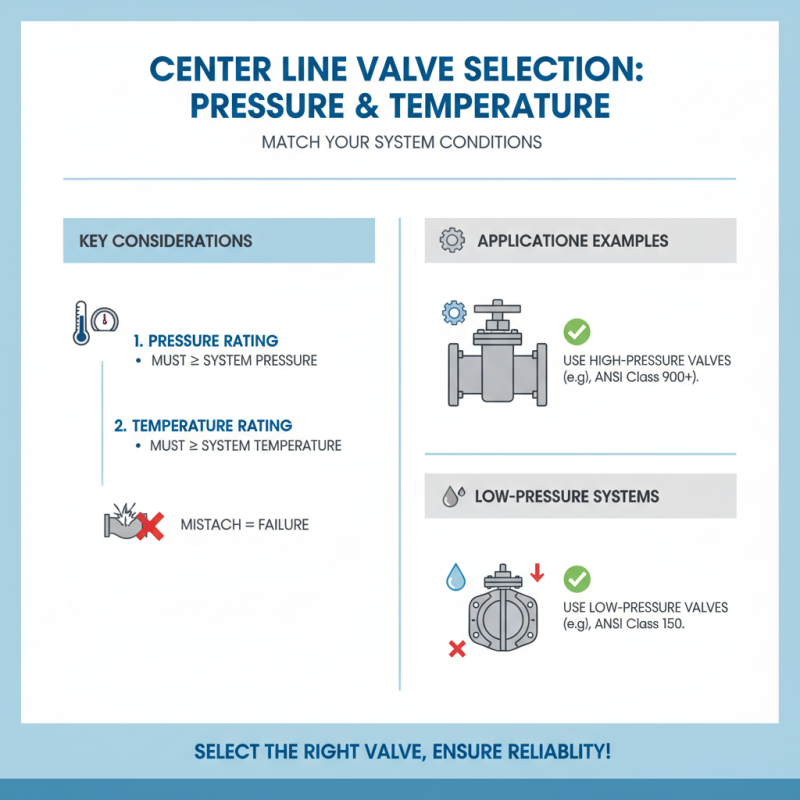
Another key factor is the valve’s pressure rating. Some projects might require valves to handle extreme pressure changes. If underestimated, this can result in leaks or system failure. Many projects also overlook environmental conditions, like temperature fluctuations. A valve that performs well in one setting may not in another. These considerations highlight the need for thorough research and reflection.
Evaluating Flow Requirements: How to Determine Valve Size and Capacity
Choosing the right center line valve hinges on understanding flow requirements. Proper valve sizing is crucial for optimal performance. It directly impacts efficiency and cost. The American Society of Mechanical Engineers (ASME) suggests that a valve's capacity must match the system's flow rate. Under-sizing might lead to excessive pressure drops. Over-sizing can result in inefficient operations.
To determine valve size, you must evaluate system characteristics. Flow rate, temperature, and pressure all play significant roles. According to a report by the Hydraulic Institute, up to 80% of valve malfunctions stem from incorrect sizing. Calculating the required flow coefficient (Cv) helps. The Cv value signifies the flow capacity of a valve. It's vital to use accurate data for your specific application.
Additionally, consider the medium being transported. Is it a gas or liquid? Viscosity can influence flow characteristics, complicating your selection. A liquid's density alters flow rates significantly. A focus on precise specifications is needed here. While many make sizing mistakes, assessing these factors leads to better choices. Evaluating flow requirements is an ongoing process, demanding careful review and adjustments. Reflection on past choices can guide future selections.
Evaluating Flow Requirements for Center Line Valves
Material Selection: Choosing the Right Construction for Your Environment
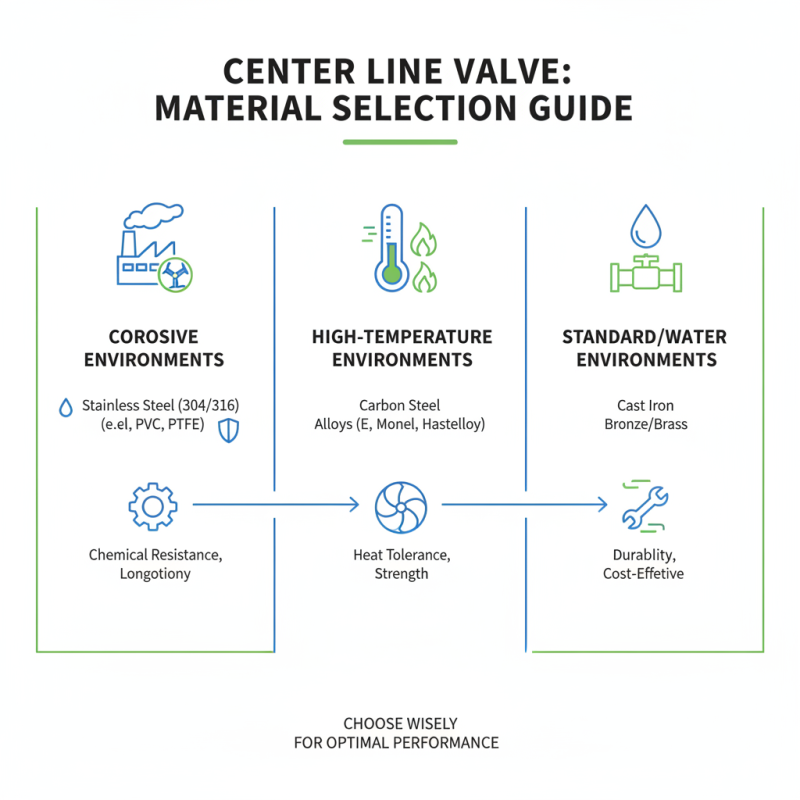
Selecting the right construction material for a center line valve is crucial. Different environments require specific materials to ensure optimal performance. For instance, a corrosive environment often necessitates materials like stainless steel or certain plastics. These can withstand harsh chemicals, extending the valve's lifespan.
Consider the temperature and pressure conditions as well. High-pressure systems might require stronger materials to prevent failures. It’s essential to know the operational limits of the materials. Using inadequate materials can lead to leaks or even catastrophic failures.
Don't overlook the importance of compatibility with the fluid being controlled. Certain materials react negatively with specific fluids, which may degrade the valve. Testing different materials in specific environments may yield insight. Sometimes, trial and error becomes necessary. Be prepared to reassess choices, ensuring they align with project goals. Trial-and-error can be frustrating, but it often leads to better decisions. Remember, reflection is key to improvement.
Cost Considerations: Balancing Quality and Budget for Long-term Value
When selecting a center line valve for your project, consider the cost implications carefully. The balance between quality and budget can significantly affect the longevity of your investment. A cheaper valve may save money initially but could lead to failures and costly replacements later. In contrast, a higher-quality valve may incur a greater upfront cost but offer more reliable performance over time.
Tips: Assess the material and design of the valve. Durable materials often cost more but offer better resistance to wear and tear. Don’t forget to factor in installation costs, which can escalate if components are not compatible.
Another aspect to consider is maintenance expenses. Some valves require minimal upkeep while others can drain resources. Poorly maintained cheaper valves might lead to emergency repairs, which can be financially devastating. It's essential to evaluate the full lifecycle cost of any valve you choose, not just the purchase price.
Tips: Research common issues related to specific valve types. Customer reviews and industry feedback can provide insight into durability. Small details matter; even minor flaws can lead to significant issues later. Make informed decisions to achieve long-term value.
How to Choose the Right Center Line Valve for Your Project? - Cost Considerations: Balancing Quality and Budget for Long-term Value
| Valve Type |
Material |
Pressure Rating |
Cost ($) |
Lifecycle (Years) |
| Ball Valve |
Stainless Steel |
150 PSI |
250 |
15 |
| Gate Valve |
Carbon Steel |
300 PSI |
200 |
20 |
| Globe Valve |
Brass |
150 PSI |
150 |
10 |
| Check Valve |
PVC |
150 PSI |
80 |
5 |