Why Choose Rubber Seal for Your Industrial Needs?
Choosing the right materials for industrial applications is crucial. Among various options, "Rubber Seal" stands out. This versatile material offers numerous benefits for businesses. Its flexibility and durability make it ideal for sealing applications. Industries rely on reliable seals to prevent leaks and contaminants.
Rubber Seal has been a preferred choice in manufacturing and construction. It withstands harsh conditions while maintaining performance. Unlike other materials, it adapts easily to different environments. This adaptability ensures long-lasting effectiveness, reducing maintenance costs.
However, selecting the right type of Rubber Seal can be challenging. The market offers numerous varieties, each with unique properties. Understanding these differences requires expertise. While it may seem straightforward, the implications of poor choices can be significant. Investing time in research leads to better outcomes in the long run.
Understanding the Benefits of Rubber Seals in Industrial Applications
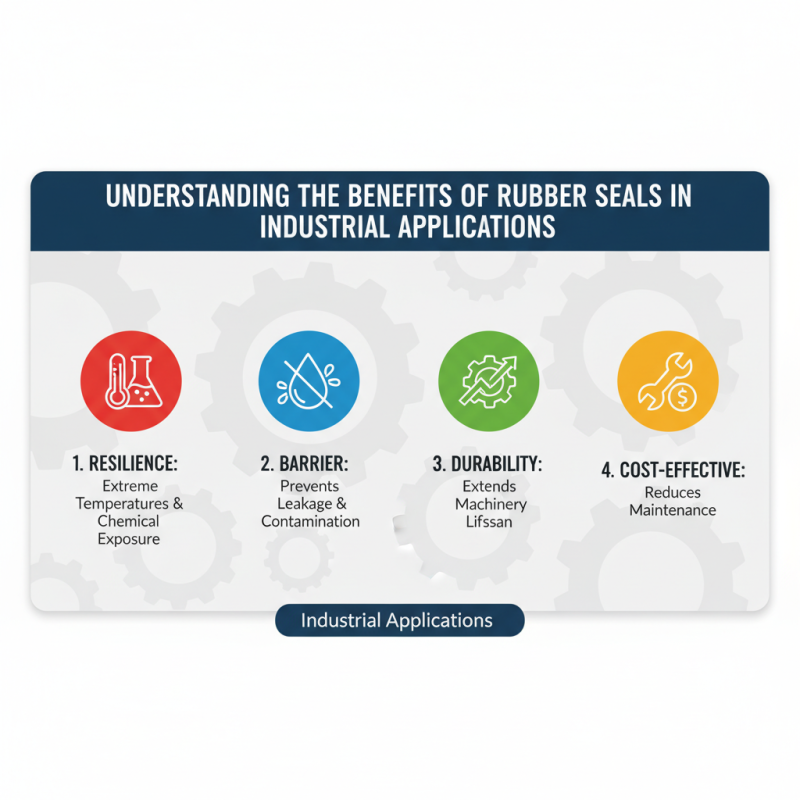
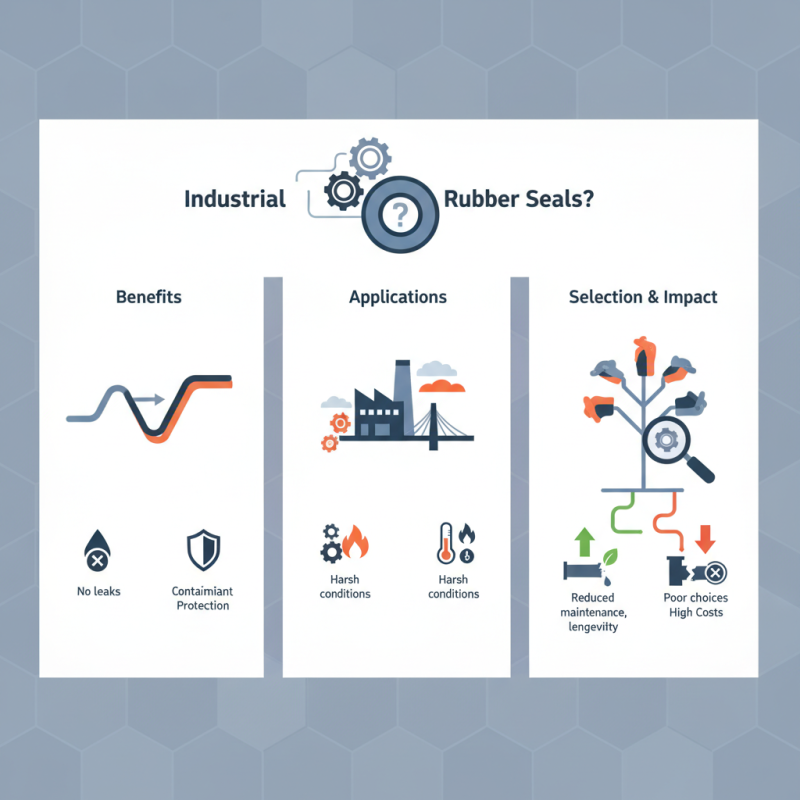
Rubber seals play a pivotal role in numerous industrial applications. Their resilience makes them ideal for various environments, from extreme temperatures to chemical exposure. These seals provide an effective barrier, preventing leakage and contamination. They are also highly durable, extending the lifespan of machinery and reducing maintenance costs.
When selecting rubber seals, consider the operating conditions. Ensure the material can withstand temperature fluctuations and chemical interactions. Testing is essential. For instance, not all rubber types perform well under certain conditions, leading to premature failure. Understanding the specific needs of your operation can save you time and money.
Tip: Regularly inspect seals for signs of wear or damage. Early detection can help prevent costly downtime. Remember to keep a variety of seals on hand for unexpected repairs.
Another essential aspect is compatibility. Some rubbers do not mix well with specific fluids. For example, synthetic oils can degrade certain rubber types. Finding the right match can enhance performance and reliability.
Tip: Consult with experts to choose the best seal materials. Their insights can guide your selection process effectively.
Types of Rubber Seals and Their Specific Uses in Industry
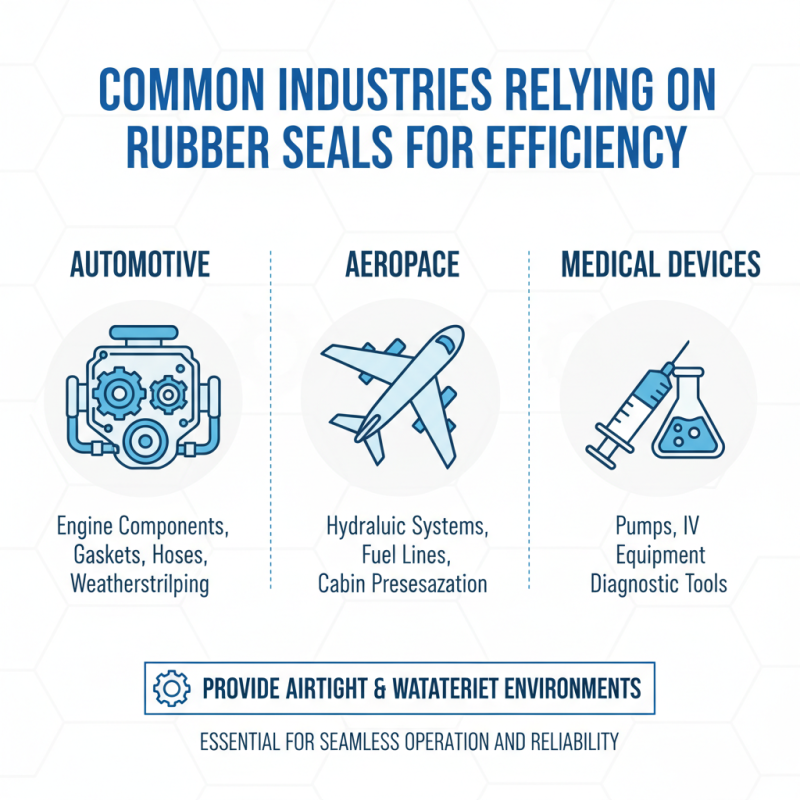
Rubber seals play a crucial role in various industrial applications. They are essential for preventing leaks and ensuring the integrity of machinery. Different types of rubber seals cater to specific needs in sectors such as automotive, manufacturing, and pharmaceuticals.
O-ring seals are among the most common types. They are highly effective in static and dynamic applications, offering good resistance to wear and temperature fluctuations. According to a recent report, O-rings account for nearly 30% of all sealing solutions used in the automotive industry. This highlights their importance in maintaining vehicle efficiency and safety.
Another type, lip seals, are used in rotating equipment. These seals can withstand high pressures and speeds, making them ideal for gearboxes and hydraulic systems. Industry data suggests that improper sealing can lead to a 20% increase in operational costs due to leaks and maintenance. Thus, selecting the right rubber seal is vital for performance and cost-effectiveness. Choosing a seal that does not match the application can lead to frequent failures and increased downtime, stressing the need for careful consideration in the selection process.
Types of Rubber Seals and Their Specific Uses in Industry
Factors to Consider When Selecting Rubber Seals for Your Needs
When choosing rubber seals for industrial applications, several factors come into play. Durability is crucial. Rubber seals must withstand harsh conditions, including extreme temperatures and chemicals. Consider the working environment. Some rubber types are better suited for specific tasks. For example, nitrile rubber is ideal for oil resistance, while silicone handles extreme heat well.
Another factor is size and fit. A proper seal must fit precisely to prevent leaks. Check the dimensions before making a decision. Tolerance levels are also important. A slight misalignment can lead to failure, impacting productivity.
Test the seals periodically. Over time, degradation may occur. Regular checks ensure reliability. Think about the cost, too. While high-quality seals may seem expensive, they often save money in the long run by reducing maintenance needs. This reflects the balance of initial investment versus long-term performance. Quite often, users discover that skimping on quality leads to more problems.
Why Choose Rubber Seal for Your Industrial Needs? - Factors to Consider When Selecting Rubber Seals for Your Needs
| Factor |
Description |
Applications |
| Material Composition |
Different rubber compounds offer various levels of durability, flexibility, and resistance to chemicals. |
Automotive, Aerospace, Industrial Machinery |
| Temperature Resistance |
Select rubber seals that can withstand extreme temperatures suitable for the environment. |
Oil & Gas, HVAC Systems |
| Type of Seal |
Choose from different seal types (O-rings, gaskets, etc.) based on application requirements. |
Pneumatic, Hydraulic Systems |
| Durability |
Evaluate the lifespan and resistance to wear and tear for effective performance. |
Chemical Processing, Food Industry |
| Cost-Effectiveness |
Assess the balance between quality and price to ensure long-term value in seals. |
Manufacturing, Construction |
Maintenance and Care Tips for Prolonging Rubber Seal Lifespan
Rubber seals are essential in industrial applications due to their durability and flexibility. To extend their lifespan, proper maintenance and care are crucial. Regular inspections can help catch signs of wear early on. Look for cracks, deformities, or signs of degradation. If rubber seals appear worn or damaged, it is often best to replace them sooner rather than later.
Cleaning rubber seals is another important task. Use a mild soap solution and avoid harsh chemicals that may degrade the material. Rinse and dry them thoroughly after cleaning. Although it may seem tedious, this will prevent dirt and debris from causing additional wear. Additionally, storing rubber seals in a cool, dry place can significantly affect their longevity. High temperatures and direct sunlight can lead to premature breakdown.
Sometimes, users overlook the importance of lubrication. Proper lubrication helps reduce friction and wear. However, applying too much can attract dirt and debris, leading to more problems. It can be a delicate balance. A little experimentation may be necessary to find the right amount. Regular self-reflection on your maintenance routine can lead to better practices in the long run.