How to Choose the Best Rubber Seal for Your Needs?
Choosing the right rubber seal can be a daunting task. Experts stress the importance of understanding specific needs. "Not all rubber seals are created equal," says John Harrison, a leading industry expert. His insight highlights the diversity in materials, sizes, and applications.
Rubber seals serve as critical components in various industries. They provide protection against leaks and contaminants. A wrong choice can lead to inefficiencies and costly repairs. It’s vital to assess factors such as temperature, pressure, and the substances involved.
While many believe that all seals function similarly, this is a misconception. Each seal type holds unique properties. By focusing on the details, you can find the best rubber seal for your application. Take time to research and consult professionals in the field to ensure reliability in your selection.
Understanding the Different Types of Rubber Seals Available
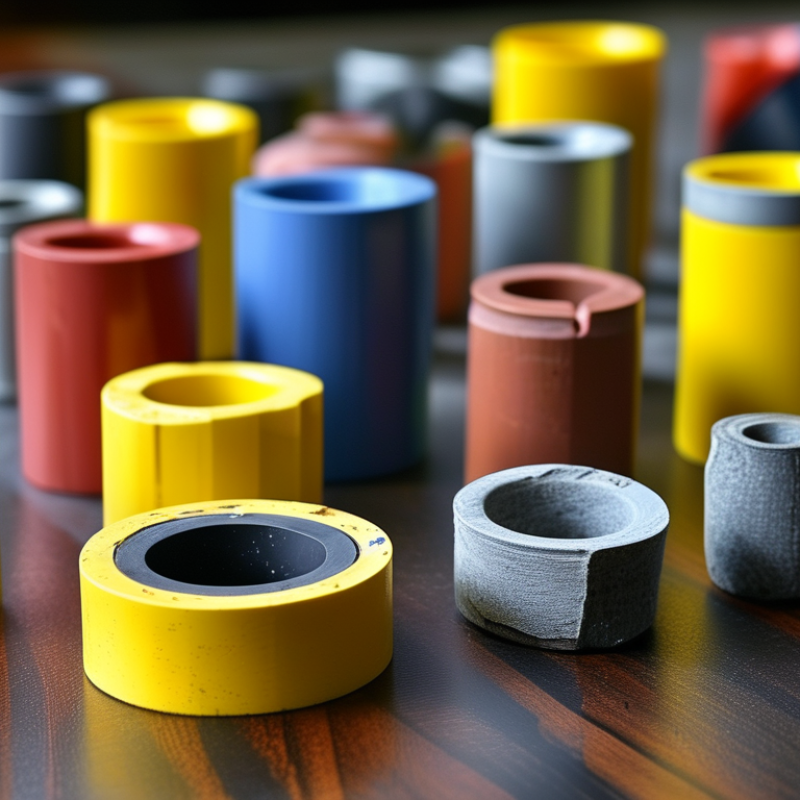
When selecting a rubber seal, it’s essential to understand the various types available. Each type serves unique functions in different applications. For instance, O-rings are ideal for static applications and can effectively prevent leaks. Flat seals provide excellent compression and are often used in machinery. Gaskets, on the other hand, are versatile and can adapt to uneven surfaces, making them ideal for automotive and industrial use.
Material choice also affects performance. Common rubber materials include nitrile, silicone, and EPDM. Nitrile is excellent for resisting oil and fuel. Silicone offers flexibility and extreme temperature tolerance. EPDM works well in outdoor applications due to its weather resistance.
Additionally, pay attention to the seal's size and thickness. A mismatch can lead to sealing failures. Reflect on the environment where the seal will be used. Exposure to chemicals or extreme temperatures may influence your choice. It's not just about functionality; it’s also about durability and long-term performance. Understanding these factors can lead to more informed decisions and prevent costly mistakes later on.
Rubber Seal Types and Their Applications
Evaluating Application Requirements for Seal Selection
When evaluating the application requirements for selecting rubber seals, several factors come into play. Material compatibility is critical. Different seals respond uniquely to oils, chemicals, and temperatures. For instance, certain synthetic rubbers can withstand extreme heat of up to 250°C, while others may fail at lower temperatures.
The environment where the seals will be used is equally important. A 2021 industry report revealed that 30% of seal failures are due to environmental conditions. Humidity, dust, and exposure to UV light can deteriorate seal performance. Understanding the specific conditions can help predict potential issues and prolong seal life.
Proper measurement is another crucial factor. Even a slight deviation in size can lead to failures. A study showed that improperly sized seals resulted in 40% of installation failures. Visual inspection and precise measurements help ensure a proper fit. It's essential to also consider the motion involved, whether dynamic or static, to ensure the selected seal meets the application's demands. Balancing these factors can lead to a more efficient and reliable seal selection process.
How to Choose the Best Rubber Seal for Your Needs? - Evaluating Application Requirements for Seal Selection
| Seal Type |
Material |
Temperature Range (°C) |
Pressure Rating (Bar) |
Chemical Resistance |
| O-Ring |
Nitrile Rubber |
-40 to 120 |
20 |
Good |
| Gasket |
EPDM Rubber |
-50 to 150 |
10 |
Excellent |
| Seal |
Silicone Rubber |
-60 to 200 |
5 |
Good |
| Packing |
Viton Rubber |
-20 to 200 |
30 |
Excellent |
| Diaphragm |
Neoprene Rubber |
-30 to 120 |
15 |
Good |
Assessing Material Properties for Durability and Performance
Choosing the right rubber seal requires a firm understanding of material properties. Durability and performance are paramount. According to industry reports, seals made from high-grade materials can last up to 10 years under normal conditions. However, the environment plays a vital role. Exposure to chemicals or extreme temperatures can reduce lifespan significantly.
Different rubber compounds exhibit varying resistance to wear and tear. For example, EPDM rubber is known for its excellent weather resistance. In contrast, nitrile rubber offers good oil resistance but may struggle in extreme cold. A study highlighted that seals undergo a loss of tensile strength by about 20% when exposed to harsh elements over time.
Moreover, flexibility must not be overlooked. A rubber seal that doesn’t adapt well can lead to leaks. Testing the hardness and elasticity can yield insights into performance. It’s essential to factor in the application type. For high-pressure conditions, a thicker seal might be necessary. The right component balance is crucial. Each choice involves trade-offs, and these details can make or break the effectiveness of a seal in real-world usage.
Factors Influencing Size and Design of Rubber Seals
When selecting rubber seals, several factors play a significant role in determining their size and design. One crucial factor is the application environment. Exposure to varying temperatures and pressures can affect seal performance. According to the Global Seals Market Report, improper seal selection can lead to a 30% reduction in machinery efficiency. A thorough understanding of your operating conditions is essential.
Material compatibility also influences design. Different rubber compounds react differently with oils, chemicals, and temperature variations. Industries like automotive and aerospace demand materials that withstand harsh conditions. Consider data from the ASTM D2000 standard for material properties when making decisions.
Tips: Always test the seal in your specific environment. Regularly reviewing performance data can reveal unexpected wear patterns. Don’t underestimate the impact of design. Complex geometries may provide better sealing but can complicate manufacturing. Seek expert advice when in doubt. Balancing these factors is vital for achieving optimal performance.
Best Practices for Installation and Maintenance of Rubber Seals
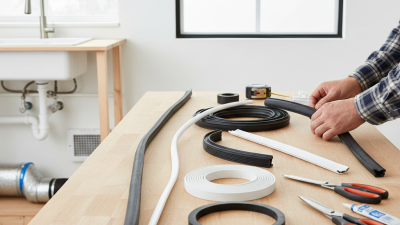
When installing rubber seals, proper preparation is crucial. The workspace should be clean and dry to ensure optimal adhesion. A recent industry report indicates that 80% of seal failures are due to inadequate installation practices. Even minor contaminants can compromise the seal's performance. So, always inspect surfaces before applying the seal.
Regular maintenance significantly extends the life of rubber seals. Research shows that seals can last 10 to 15 years with diligent upkeep. This includes timely inspections and occasional lubrication. However, many overlook wear signs until it’s too late. Small cracks or discoloration may indicate wear, prompting proactive replacement.
Adhering to temperature guidelines can also prevent premature failure. Most rubber seals operate effectively within specific temperature ranges. Exceeding these limits often leads to degradation. While temperature resistance varies, a general rule is to keep seals away from extreme heat or cold. Ignoring these factors can result in costly replacements and downtime.