Top 10 Benefits of Using Check Valves in Your Systems?
In today’s industrial landscape, efficiency and reliability are crucial. One component that greatly enhances system performance is the check valve. This device prevents backflow, ensuring fluid moves in one direction. Its importance cannot be overstated. Many systems face challenges without this simple yet effective piece.
Check valves are integral to various applications, such as water supply, wastewater management, and heating systems. They maintain pressure and protect equipment from damage. However, improper installation or failure to maintain can lead to significant issues. Users must remain vigilant about these potential shortcomings.
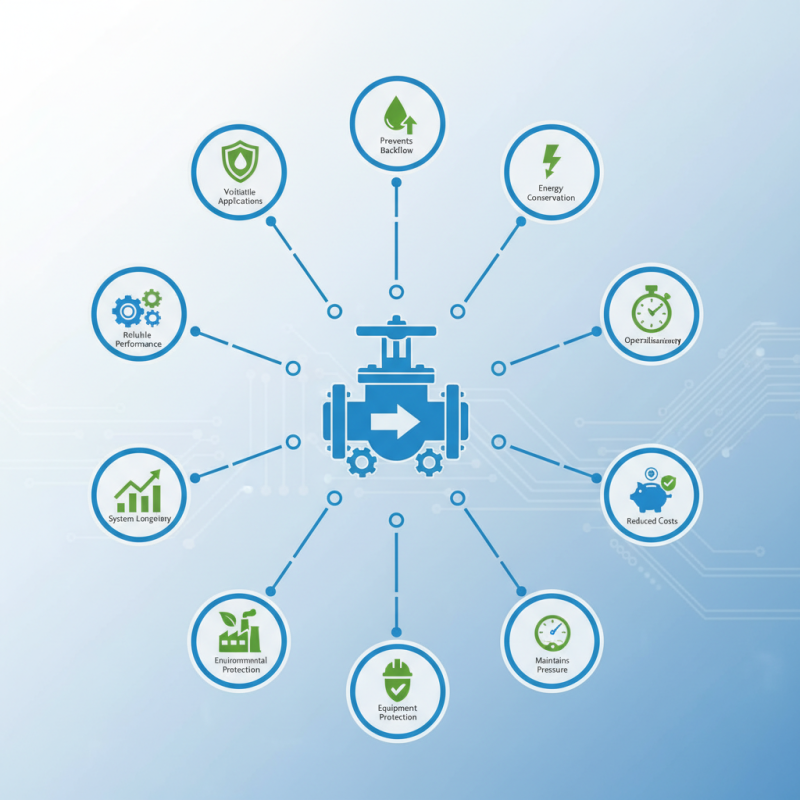
Taking full advantage of check valves requires understanding their benefits. Beyond preventing backflow, they contribute to energy conservation and operational efficiency. Each benefit adds to system longevity and reduces costs. These are reasons to explore check valves and their role in your systems.
Understanding Check Valves: Essential Components in Fluid Systems
Check valves play a crucial role in fluid systems. These essential components allow flow in one direction while preventing backflow. This function is vital for maintaining system integrity and efficiency. According to industry reports, around 25% of fluid system failures can be traced back to inadequate backflow prevention. Thus, understanding check valves is essential.
When selecting a check valve, consider the materials used. Materials affect durability and resistance to corrosion. For example, stainless steel is commonly preferred for its longevity in harsh conditions. Additionally, ensure the size fits your system requirements. A mismatch can lead to leaks or inefficiencies.
Tip: Regular maintenance is necessary. Inspect check valves periodically for wear and tear. Even a small defect can cause significant issues.
Choosing the right type of check valve also matters. Swing check valves work well for high flow rates, while globe check valves are better for throttling flow. Make informed choices by understanding these options.
Tip: Always consult with professionals when in doubt. They can provide insights tailored to your specific system needs.
How Check Valves Prevent Backflow and Enhance System Safety
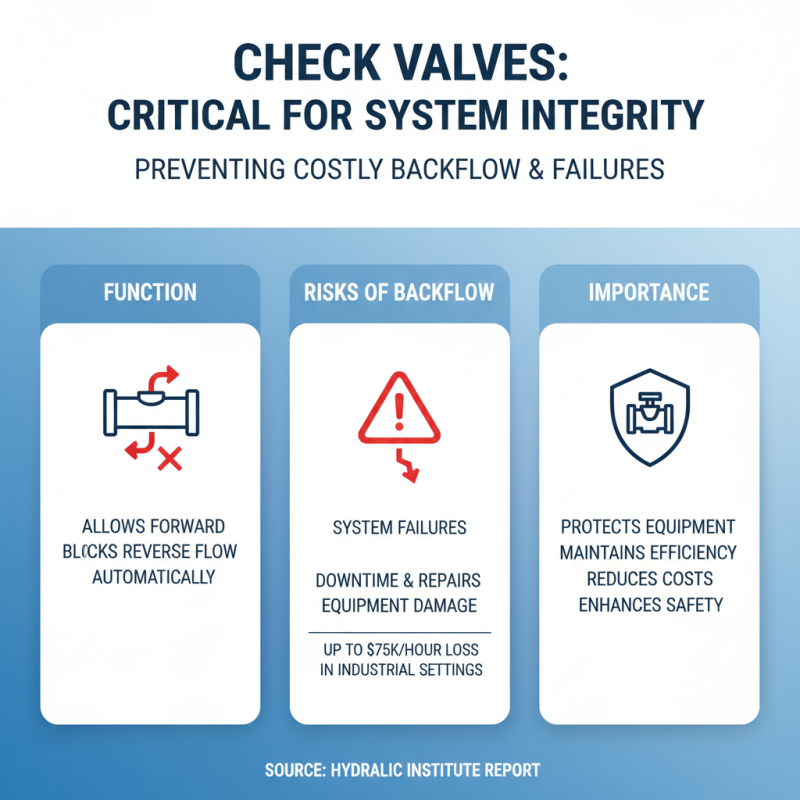
Check valves play a crucial role in preventing backflow in various systems. These devices automatically allow fluid to flow in one direction while blocking reverse flow. A report by the Hydraulic Institute notes that backflow can lead to significant system failures, causing costly downtime and repairs. In industrial applications, a single incident of backflow can result in losses of up to $75,000 per hour.
Check valves enhance system safety by protecting sensitive equipment from fluid surges. They prevent contaminants from entering clean liquid systems, crucial in industries like pharmaceuticals and food processing. According to research from the American Society of Mechanical Engineers, systems with check valves have a 30% lower risk of contamination events. This statistic underscores the importance of incorporating check valves to ensure product quality.
Yet, not all check valves are made equal. Some designs may have limitations, such as flow restrictions or increased maintenance needs. Users must carefully evaluate their options. Regular maintenance is essential to ensure optimal performance. Failure to address any issues can lead to significant safety risks and operational inefficiencies. Balancing cost, performance, and safety is a continuous challenge for engineers.
The Role of Check Valves in Maintaining Pressure Stability
Check valves play a crucial role in maintaining pressure stability within various systems. These valves allow fluid to flow in one direction only. They prevent backflow, which can cause pressure drops and inefficiencies. When a check valve closes, it seals tightly, protecting the system from unwanted reverse flow. This ability to maintain pressure is essential for the smooth operation of pumps and other equipment.
In systems where pressure fluctuations are common, check valves are vital. They ensure that pressure remains consistent, avoiding equipment failure. However, while check valves are effective, they are not infallible. Sometimes, debris can cause them to stick in an open or closed position. Regular inspection and maintenance can mitigate this risk. A faulty check valve can lead to pressure surges, compromising system integrity. It's a delicate balance that requires attention and care.
Top 10 Benefits of Using Check Valves in Your Systems
This bar chart illustrates the key benefits of using check valves in fluid systems. Each benefit is rated on a scale of 1 to 10, indicating its importance in maintaining system efficiency and stability.
Energy Efficiency Improvements Through the Use of Check Valves
Check valves play a crucial role in enhancing energy efficiency in various systems. According to the U.S. Department of Energy, implementing check valves can lead to a significant reduction in energy consumption. By preventing backflow, these valves help maintain optimal pressure levels, which reduces the pump's workload. This can save up to 20% in energy costs, especially in water and wastewater systems where backflow is a common issue.
In industrial applications, check valves contribute to system reliability. A study from the Hydraulic Institute notes that improper backflow can cause energy losses and additional wear on equipment. This not only affects operational efficiency but also increases maintenance costs over time. By ensuring unidirectional flow, check valves help mitigate these risks and enhance the overall lifespan of pumps and pipelines.
While check valves offer numerous advantages, their installation must be handled with care. Incorrect placement can lead to inefficiencies. For instance, if a valve is installed in the wrong position, it may not function as intended. Operators need to regularly assess the performance of check valves to avoid potential problems. Careful monitoring ensures optimal energy efficiency and system reliability.
Common Applications of Check Valves Across Various Industries
Check valves play a crucial role in many industries. They are designed to allow fluid to flow in one direction. This simple mechanism helps prevent backflow. In the water supply industry, check valves are commonly used to protect pumps. This prevents potential damage from reverse flow. They ensure that fresh water remains uncontaminated.
In the oil and gas sector, check valves minimize leakage risks. They keep the system safe by preventing backflow of harmful substances. In this industry, even a small failure can have significant consequences. Hence, the reliability of check valves is essential. In HVAC systems, check valves regulate airflow, enhancing efficiency. However, there can be issues with mineral buildup, which may require regular maintenance. Reflecting on these aspects is vital to maintain system integrity.
Top 10 Benefits of Using Check Valves in Your Systems
| Benefit |
Description |
Common Applications |
| Prevents Backflow |
Check valves allow flow in one direction and prevent backflow, maintaining system efficiency. |
Water Treatment, HVAC Systems |
| Reduces System Damage |
Prevents reverse flow that can cause system pressure fluctuations and damage to components. |
Pumps, Compressors |
| Enhances Safety |
Check valves help ensure safe operation by preventing hazardous backflow situations. |
Chemical Processing, Oil & Gas |
| Minimizes Maintenance |
They generally require minimal maintenance compared to other types of valves. |
Municipal Water Systems, Irrigation |
| Variety of Designs |
Available in various designs (spring-loaded, flap types) suitable for different applications. |
Fire Protection Systems, Hydraulics |
| Energy Efficiency |
Their design minimizes energy loss during operation, contributing to lower operational costs. |
Industrial Processes, Power Plants |
| Compact Size |
Check valves are typically smaller and lighter than other valve types, saving space in installations. |
Residential Plumbing, Manufacturing |
| High Reliability |
Designed for durability and long-term operation, resulting in reliable system performance. |
Steam Systems, Water Supply |
| Cost-effective Solution |
Generally lower initial investment compared to other safety devices in fluid systems. |
Industrial Equipment, Process Systems |